2505 and 2510 both use 25 mm diameter
2505 usually means 25 mm diameter with 5 mm lead, while 2510 means 25 mm diameter with 10 mm lead. The same diameter does not mean the same behavior. Lead changes speed, thrust, resolution, and motor load.
| Parameter | 2505 (5 mm lead) | 2510 (10 mm lead) |
|---|---|---|
| Linear speed at 1000 rpm | 5 m/min | 10 m/min |
| Thrust from 1 N·m (efficiency 0.9) | About 1.1 kN | About 0.57 kN |
| Travel per pulse at 1600 pulses/rev | About 3.1μm | About 6.25μm |
| Typical bias | Thrust, fine feed, vertical axes | Speed, long travel, fast cycle |
The figures are an order-of-magnitude comparison. The 25 mm diameter sets load capacity and usable support span; the lead sets speed and thrust.
5 mm lead favors thrust and fine feed
Choose 2505 when the axis needs more thrust margin, finer control resolution, low-speed smoothness, or vertical-axis stability. For replacement, if the original controller was set for 5 mm lead, do not change lead casually.
10 mm lead favors speed and efficiency
2510 gives higher linear speed at the same motor rpm. It is suitable for longer travel, faster cycle time, or quick positioning axes. With larger lead, confirm motor torque, load, support span, and critical speed. See how ball screw lead changes speed and thrust for the effect of lead on speed and motor load.
2505/2510 RFQ checklist
- Confirm target model as 2505 or 2510, or ask the supplier to recommend.
- Provide travel, target speed, load, and horizontal or vertical mounting direction.
- State whether this is a replacement and whether old end machining must be copied.
- Send overall length, thread length, nut style, support model, and quantity.
- Give the support span and motor torque, so critical speed and thrust margin can be calculated.
FAQ
Can 2505 and 2510 be selected by diameter only? No. Diameter only defines the base size; lead directly changes speed, thrust, resolution, and motor load, so the RFQ should also state load, speed, travel, and mounting direction.
What does 2505 give over 2005? At the same lead, a 25 mm diameter carries more load and a longer support span, and has a higher critical-speed ceiling. At the same lead, the speed and thrust relationships are identical.
Does a 25 mm diameter need a bigger motor? Not necessarily. The motor is sized from the thrust requirement, and thrust follows the lead. The larger diameter buys load capacity, stiffness and a higher rpm ceiling.
Next step
Turn this guide into an RFQ
When the specification direction is clear, send the details below together with quantity, lead time, and packing requirements.
Include these details
- Model, diameter, lead, accuracy grade, or target application.
- Load, speed, travel, mounting method, and matching rail or support-unit needs.
- Quantity, lead time, packing, and whether inspection records or shipment photos are needed.
Category
Related Technical Guides
Continue with similar buyer questions
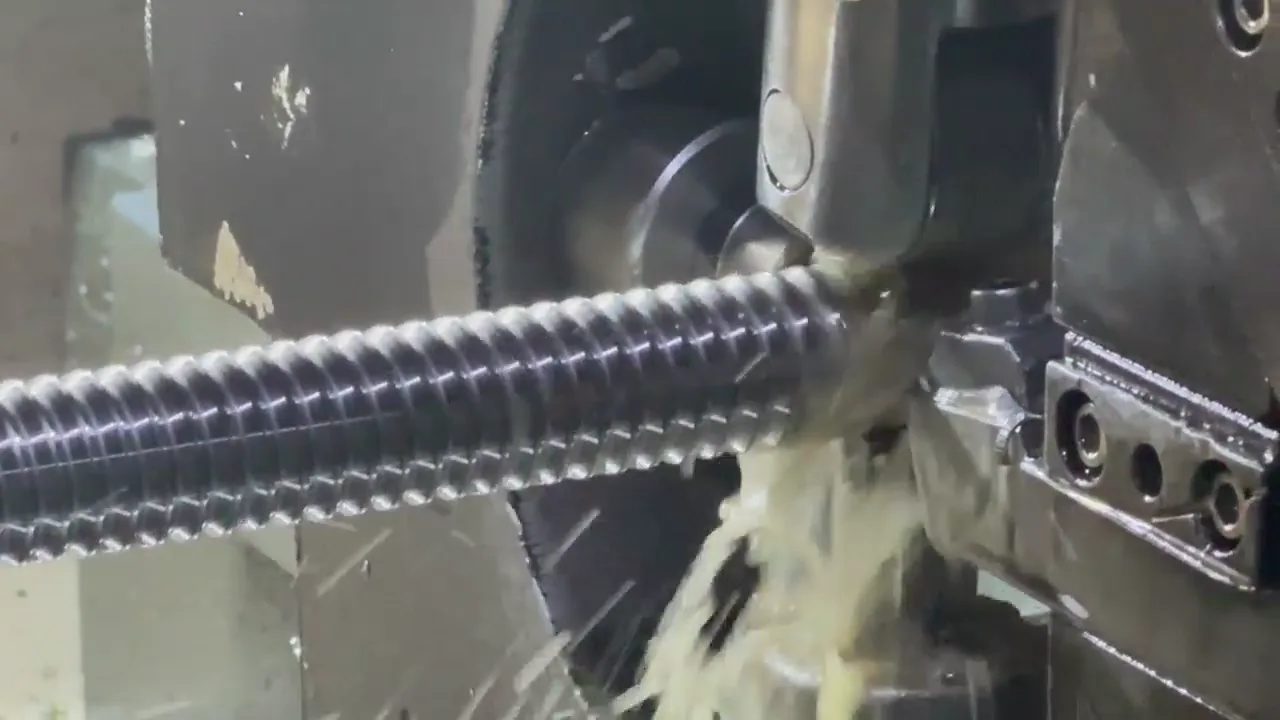
How Ball Screw Lead Changes Speed and Thrust
Compare how larger lead changes speed, thrust, and control margin, then list the axis parameters required before an RFQ.
Send lead and speed requirements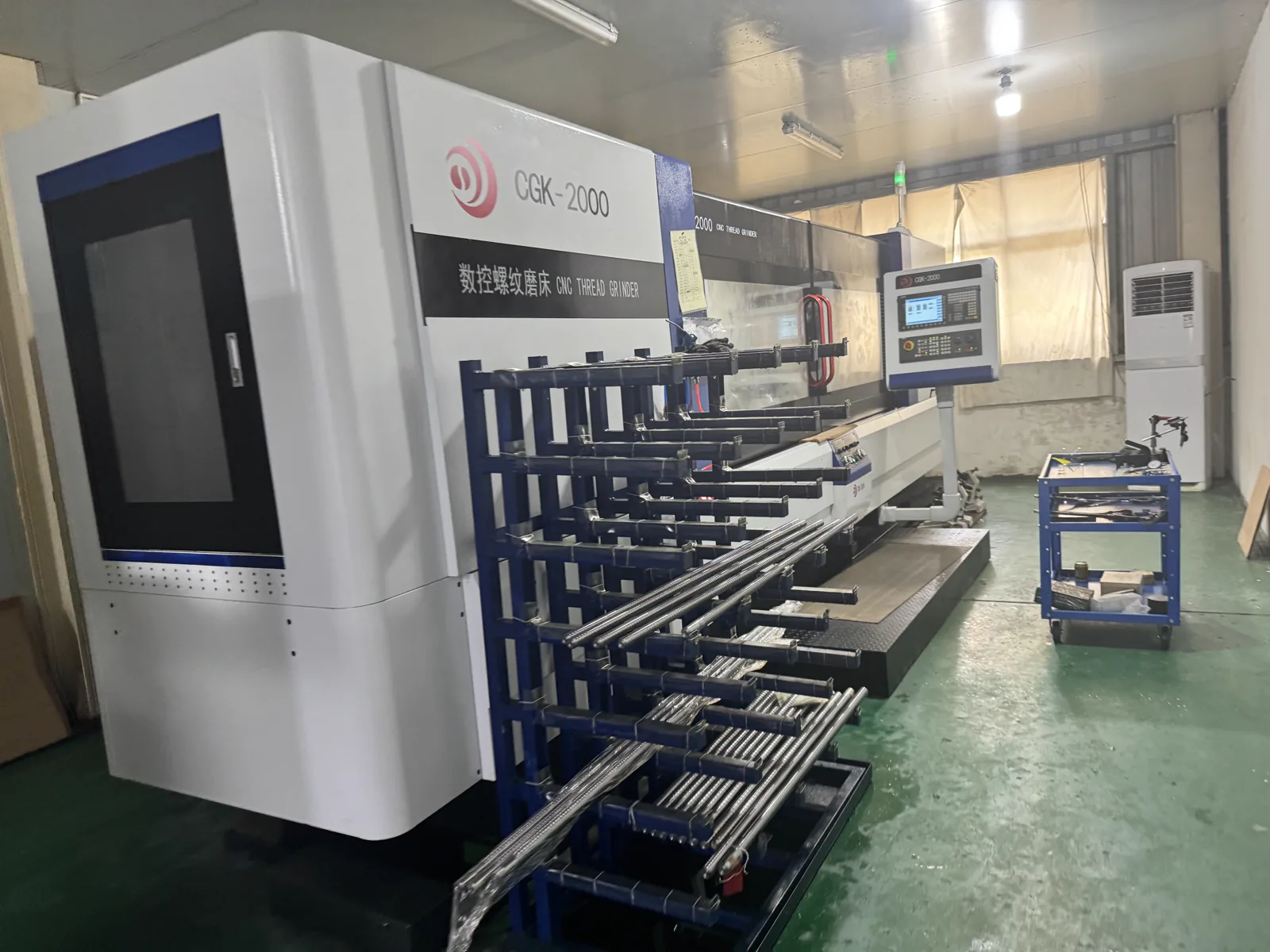
How to Choose Ball Screw Lead for a CNC Router
Explain common CNC router lead selection by speed, thrust, control resolution, and axis use.
Send CNC lead requirements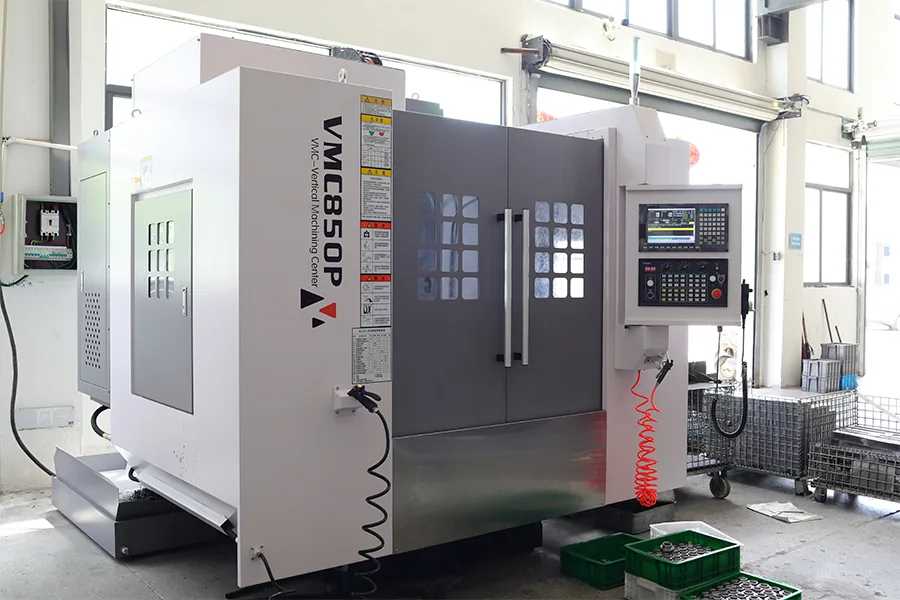
Ball Screw for CNC Machine: Selection Guide
Match ball screw lead, accuracy class, load, and end interface to the CNC machine conditions.
Send selection parameters