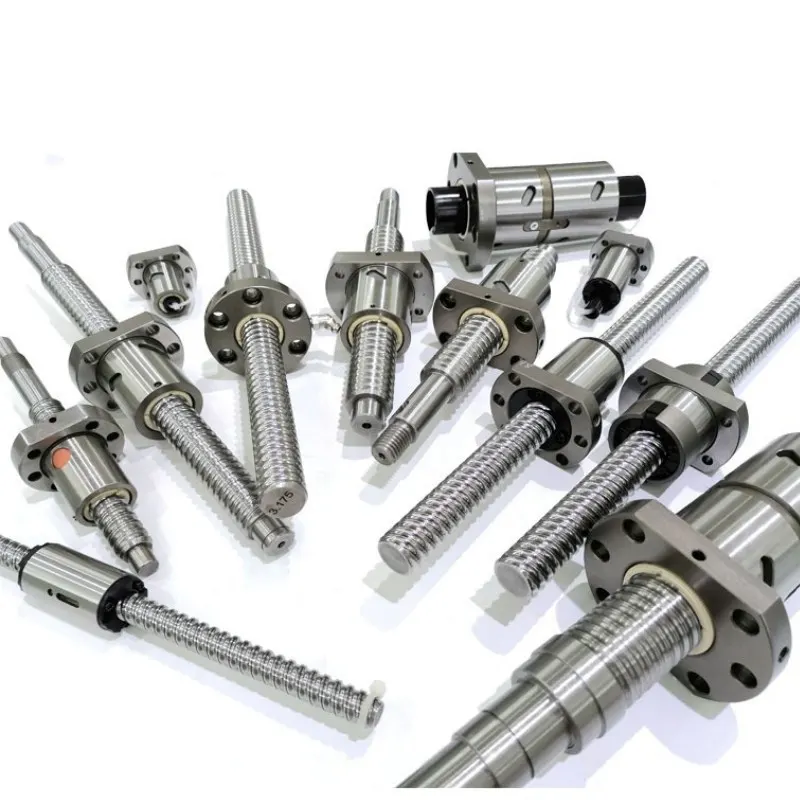
C5 vs C7 Ball Screw: Accuracy, Cost, and Buyer Selection
C7 and C5 differ in accumulated lead error, process, and lead time, not in being better or worse. Judge by the axis: most machines run C7, key axes need C5.
Send accuracy requirementsGuide categories
Compare ball screw specifications by machine use, accuracy requirement, speed, load, and budget.
The first question is not which model to order. It is what the axis does all day. Positioning an axis, moving a load, or doing both at once leads to different specifications. The selection path for a router, a packaging machine, an automation module, and a repair on an older machine differs at the first step.
Describe the working conditions in the same message: travel, the speed range the axis actually runs at, whether the load is pushed horizontally or lifted vertically, the space available around the screw, and what floats in the air. Dust, chips, coolant, and wash-down practice all change the recommendation. A description this concrete lets a supplier give you a direction instead of a list of models to sort through.
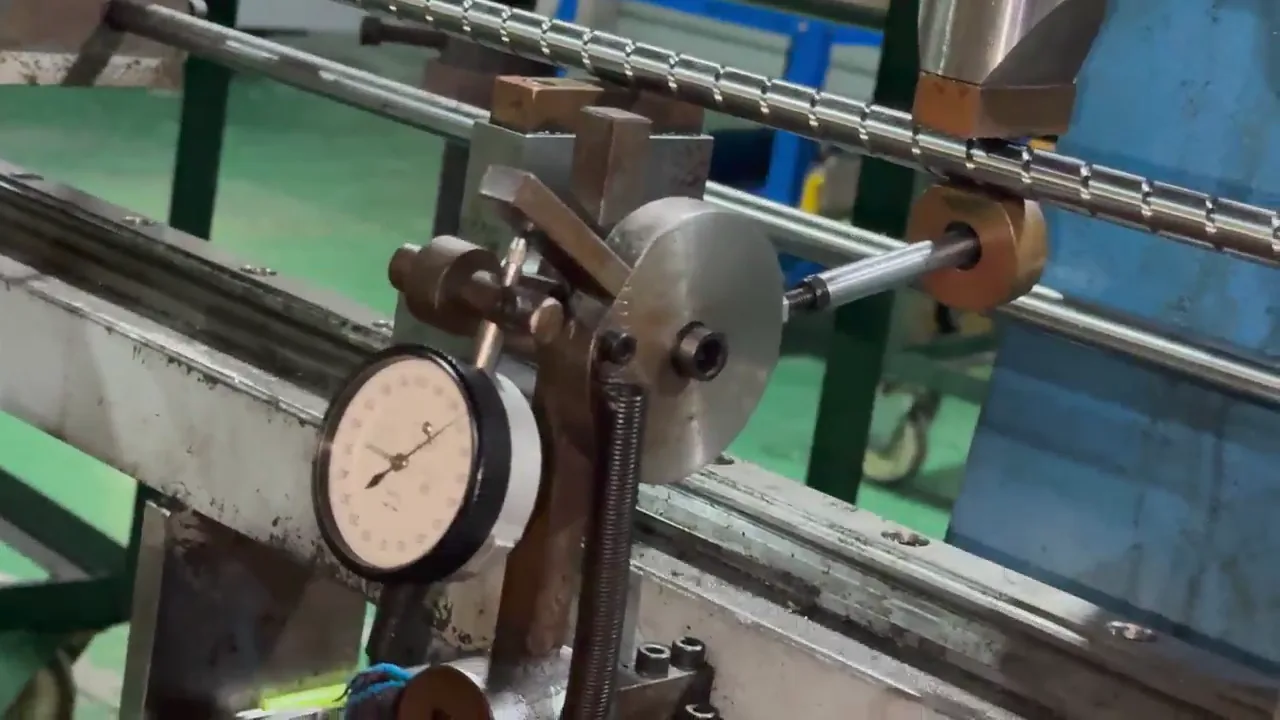
Only after the application is clear does the accuracy grade make sense. C7 and C5 come up in almost every ball screw inquiry, but the choice comes down to what the machine has to hold and how you will accept the part. Preload affects clearance and stiffness; it does not move a screw into a different lead accuracy grade. Keep those two decisions separate in the RFQ.
Lead is next, because it sets speed and thrust together: with the same motor and reduction, a larger lead gives more speed and less thrust. Then confirm diameter, overall length, and support arrangement as a group. Those three constrain each other, and pinning one down alone usually means redoing the others. Working in this order keeps every step narrowing the field, so the supplier does not have to ask the same questions back and you do not spend a week comparing quotes built on different assumptions.
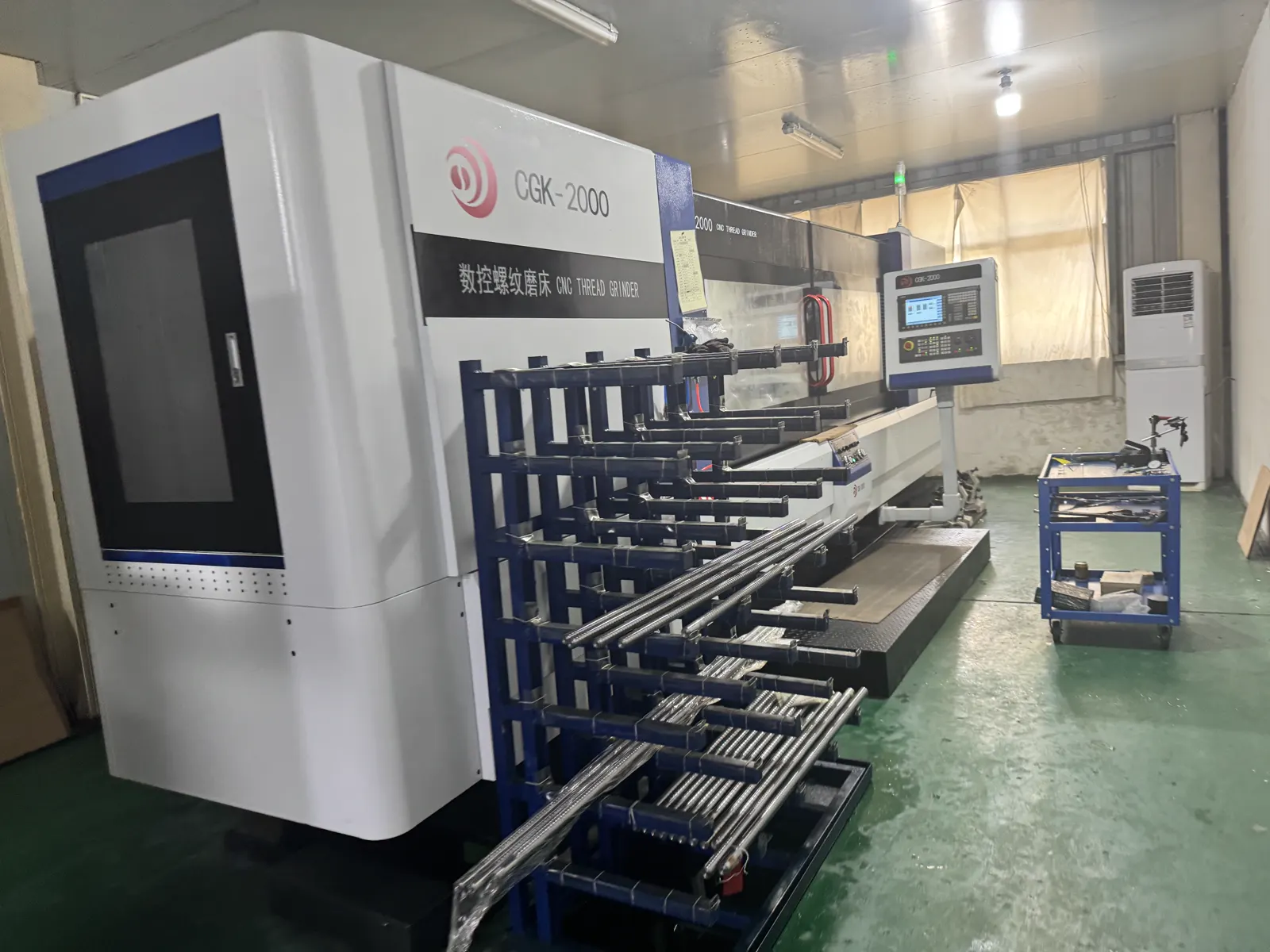
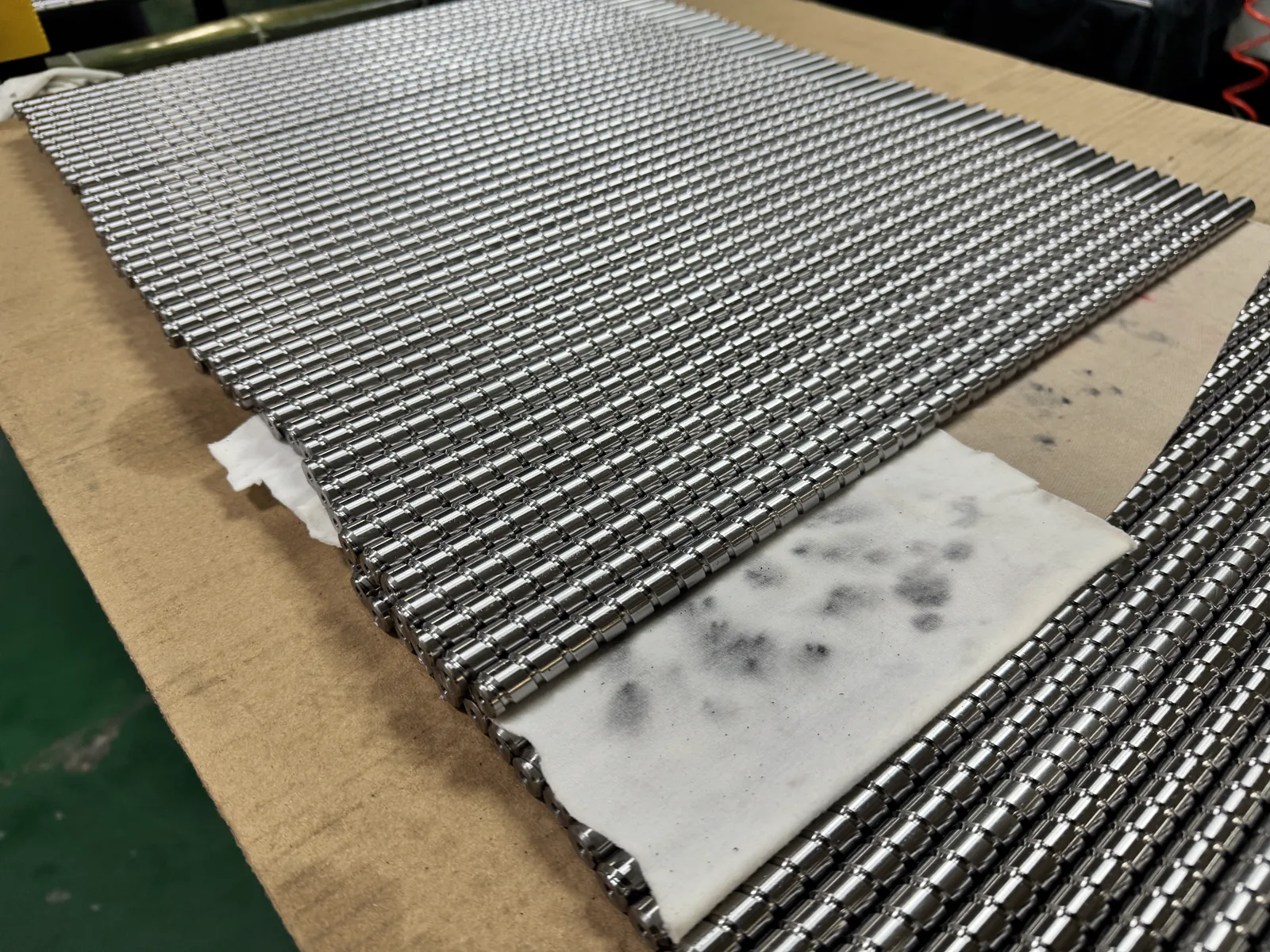
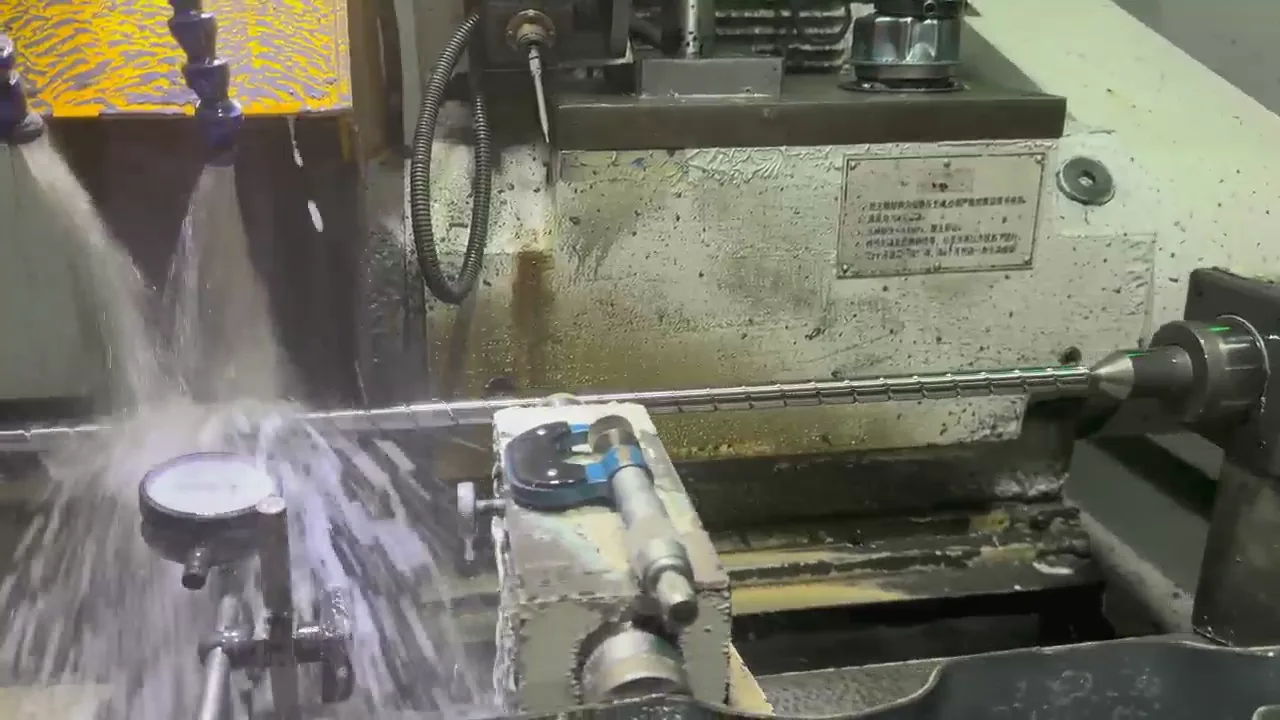
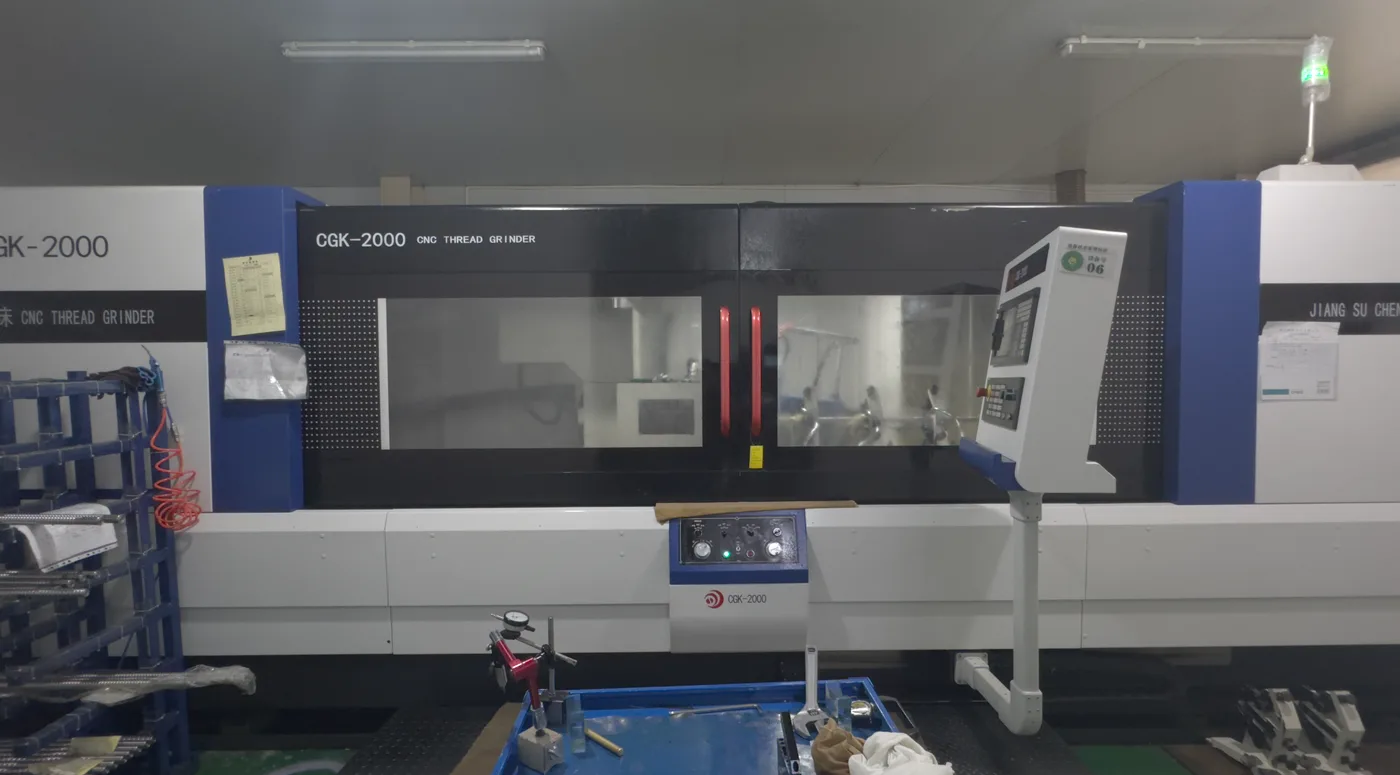
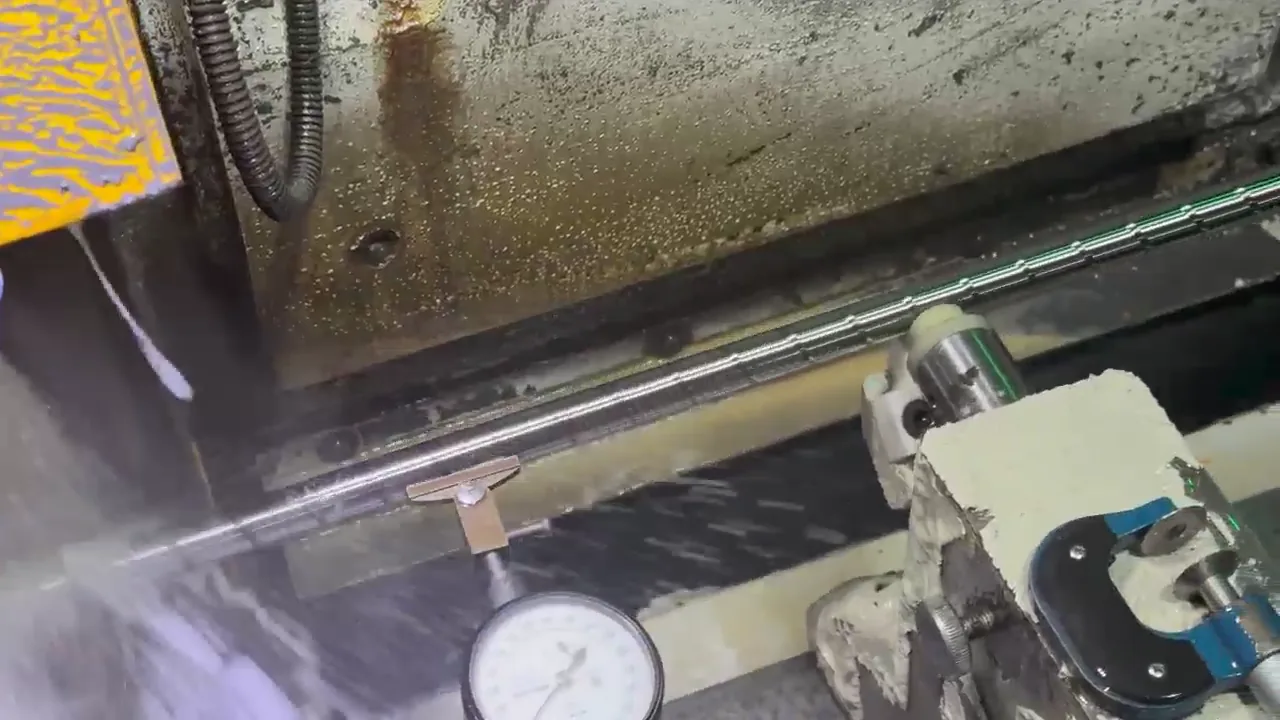
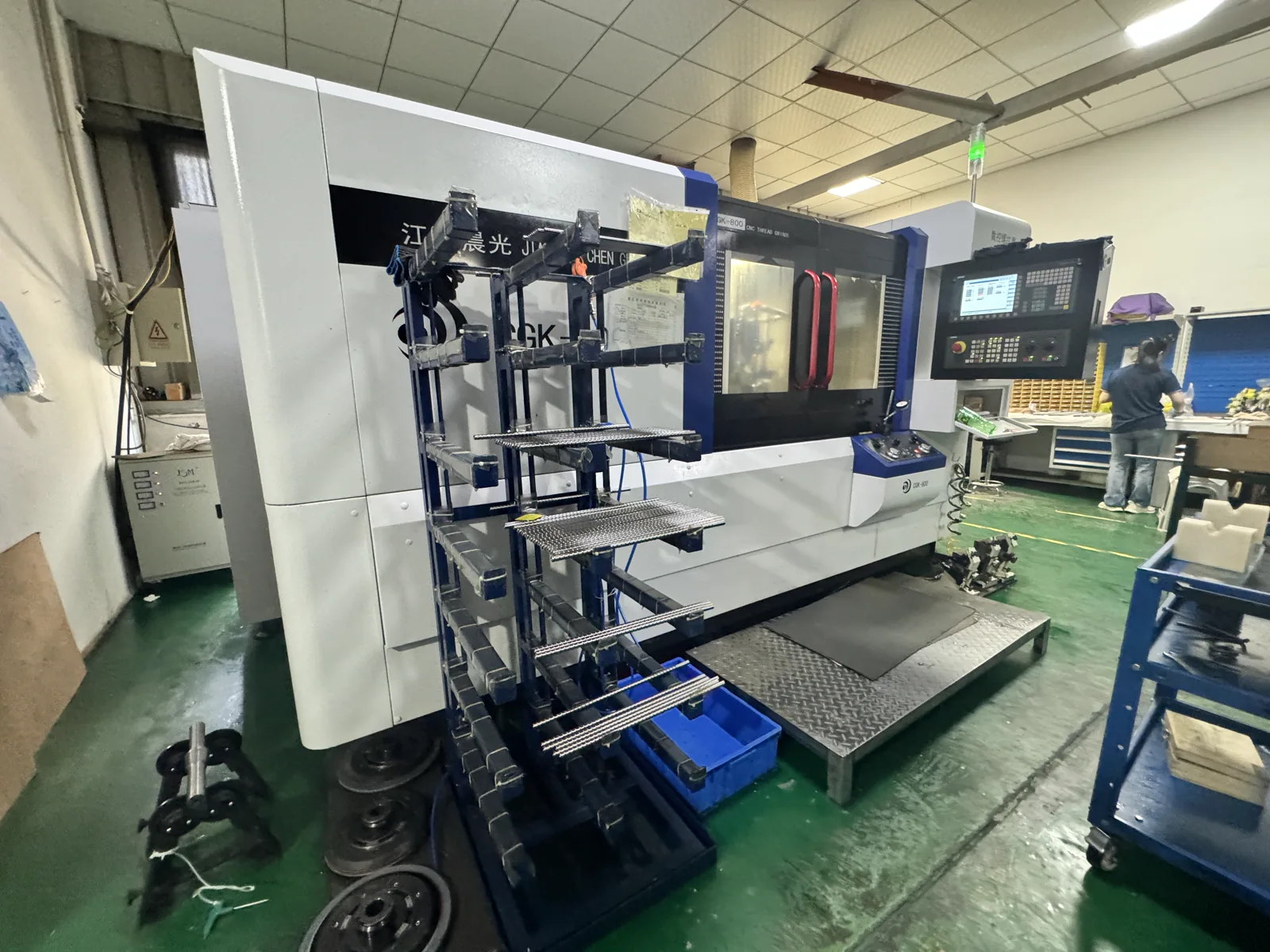
C7 and C5 differ in accumulated lead error, process, and lead time, not in being better or worse. Judge by the axis: most machines run C7, key axes need C5.
Send accuracy requirements
Choose rolled or ground by the machine accuracy requirement, then compare cost, lead time, preload, and the RFQ details that affect the assembly.
Send accuracy and application requirements
Check the long-travel ball screw speed limit against its bore, support span, support method, and DN value.
Send speed and support method
Choose grease or oil by speed, dust, heat, and downtime, then set the interval from the maintenance schedule.
Send operating conditions and lubrication needs
Convert load and life targets into dynamic and static load requirements, then state equivalent load, average speed, and target life in the RFQ.
Send load and life requirement
Understand every part of a ball screw assembly (screw and nut, BK/BF bearing blocks, coupling, and nut housing) and describe them correctly in your RFQ.
Send component RFQ
Choose the ball screw accuracy class by positioning requirement and state the acceptance criteria in the RFQ.
Send accuracy requirement
Match ball screw lead, accuracy class, load, and end interface to the CNC machine conditions.
Send selection parameters
Judge C7 suitability from the machine's positioning requirement, measurement length, and overall error budget.
Send C7 RFQ
Choose between 1605 and 1610 by speed, thrust, positioning requirement, and critical-speed limit.
Send 1605/1610 requirements
Explain how 5 mm and 10 mm lead on a 20 mm ball screw affect speed, torque, load, and machine fit.
Send 2005/2010 requirements
Compare preload's effect on backlash, rigidity, heat, and price, then select the preload band for the application.
Send preload and backlash requirements
Explain common CNC router lead selection by speed, thrust, control resolution, and axis use.
Send CNC lead requirements
Explain how 5 mm lead and 10 mm lead on a 25 mm diameter ball screw affect speed, thrust, and machine fit.
Send 2505/2510 requirements
Compare 3205 and 3210 by long travel, speed, load, support span, and packing conditions.
Send 3205/3210 requirements
Compare how larger lead changes speed, thrust, and control margin, then list the axis parameters required before an RFQ.
Send lead and speed requirements
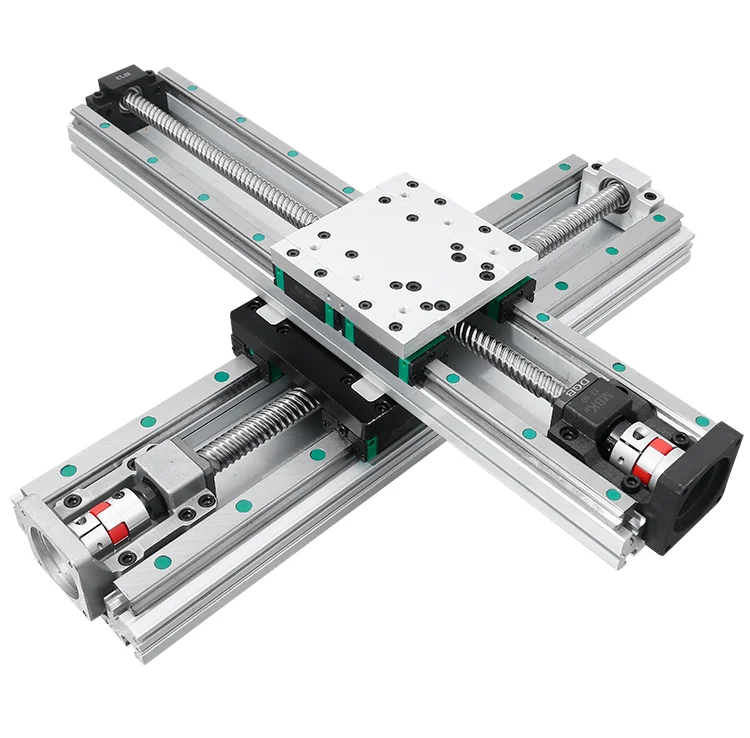
State stroke, load, speed, cycle time, and accuracy together when selecting a linear module and requesting a quote.
Send linear module parameters
An automation-equipment RFQ needs application parameters alongside the model, accuracy, lead-time, and packing requirements.
Send automation application parameters
Woodworking CNC machines often use 1605, 1610, 2005, and 2510, but selection should consider axis, speed, thrust, load, and installation space.
Send woodworking CNC selection details
Woodworking CNC dust affects ball screw life, so RFQs should state dust protection, lubrication, cleaning, and cover requirements early.
Send dust protection requirements
A linear module inquiry should describe the ball screw, slide, guide rail, motor connection, and repeatability together instead of quoting by model only.
Send linear module parameters
A vertical Z axis needs more attention to load, brake, and drop risk than a horizontal axis, so lead should not be selected by speed alone.
Send Z axis load and brake details
A CNC router ball screw upgrade should not be quoted by model only because motor type, lead, speed, torque, and coupling affect the usable solution.
Send CNC router upgrade parameters
Laser cutting machine ball screw selection should balance speed, accuracy, dust protection, and heat effect, so the RFQ should describe the application environment.
Send laser machine parameters
Packaging machine ball screw selection should consider repeated motion, cycle time, load, and maintenance conditions, so the RFQ should state the real running rhythm.
Send packaging machine motion detailsGuide categories
Send the model, length, quantity, application, or old-part photos. We will review the specification against the actual machine and use case.
Put these lines in the inquiry body. Attach an installation photo or an existing drawing when you have one. Mark anything you cannot confirm yet, but do not leave it out.
FAQ
These three come up before every first quote. Settling them early makes the rest of the RFQ straightforward.
A model number is an outcome, not a requirement. The same model may not fit a different travel, support arrangement, or installation space. State the application and conditions first so the supplier can tell you whether that direction holds.
Yes. Application first, then accuracy, then lead and diameter, then length and support. Each answer narrows the next one. In the reverse order, a length change forces the accuracy review to be redone, and an accuracy change forces the support to be reselected.
No. The accuracy grade describes how tightly lead error is controlled. Preload sets clearance and stiffness. Preload cannot promote a screw into a tighter lead accuracy grade, but it does change how the axis moves and how the assembly feels.
+8615268772262
Leave your question or requirement and we will continue in WhatsApp.
Continue in WhatsApp