Application decision table
| Linear module point | What to send | Why it matters |
|---|---|---|
| Slide and guide rail | Rail size, carriage, mounting direction | Shows load support and space limits. |
| Ball screw drive | Diameter, lead, stroke, nut orientation | Controls speed, thrust, and repeatability. |
| Motor connection | Motor type, coupling, fixed side | Affects end machining and assembly. |
| Production rhythm | Cycle time, duty, quantity | Affects life expectation and batch quotation. |
The slide and rails affect the load case
Slide size, rail quantity, rail size and mounting direction all change how the load is carried. State whether the load sits at the centre of the slide or is offset, and whether there is overhang, shock, vertical mounting or a multi-axis combination.
The motor connection has to be specified
The motor connection covers coupling end diameter and length, keyway, flat, flange size, gearbox or servo interface. End machining must match the motor side, otherwise the overall module length and mounting holes will not line up.
Repeatability and cycle time set the specification
Repeatability requirement, target speed, acceleration, cycle time and daily running hours affect lead, accuracy, preload and lubrication. Automation projects should not state only a maximum speed and leave out the common cycle.
Quote the prototype and the batch separately
A linear module project may start with a prototype and move to batch supply. The RFQ should state prototype quantity, batch forecast, drawing revision, inspection report, packing, labels and shipment photos so the supplier can quote stably.
RFQ checklist
- Linear module type, automation use, slide size, guide rail plan, and mounting direction.
- Stroke, load, speed, repeatability, cycle time, and life expectation.
- Ball screw model, nut type, support unit, motor connection, coupling, and end machining.
- Accuracy, backlash, lubrication, dust condition, inspection report, and photos if needed.
- Quantity, sample plan, batch forecast, packing, destination, and delivery target.
Send us the module layout
Send weimute the linear module layout, slide and guide rail information, motor connection, and target repeatability. Our manufacturing and sales team can check whether the ball screw choice matches the automation cycle time and assembly plan.
FAQ
Can I quote only the ball screw model? You can, but repeatability, cycle time, motor connection, and guide rail layout often change the correct quotation. For how to describe an automation application, see automation application parameters RFQ.
Should the slide and guide rail be included in the RFQ? Yes, because they show installation space, load path, and alignment requirements. For the full custom ball screw RFQ information list, see what information is needed for a custom ball screw RFQ.
Next step
Turn this guide into an RFQ
When the specification direction is clear, send the details below together with quantity, lead time, and packing requirements.
Include these details
- Model, diameter, lead, accuracy grade, or target application.
- Load, speed, travel, mounting method, and matching rail or support-unit needs.
- Quantity, lead time, packing, and whether inspection records or shipment photos are needed.
Category
Related Technical Guides
Continue with similar buyer questions
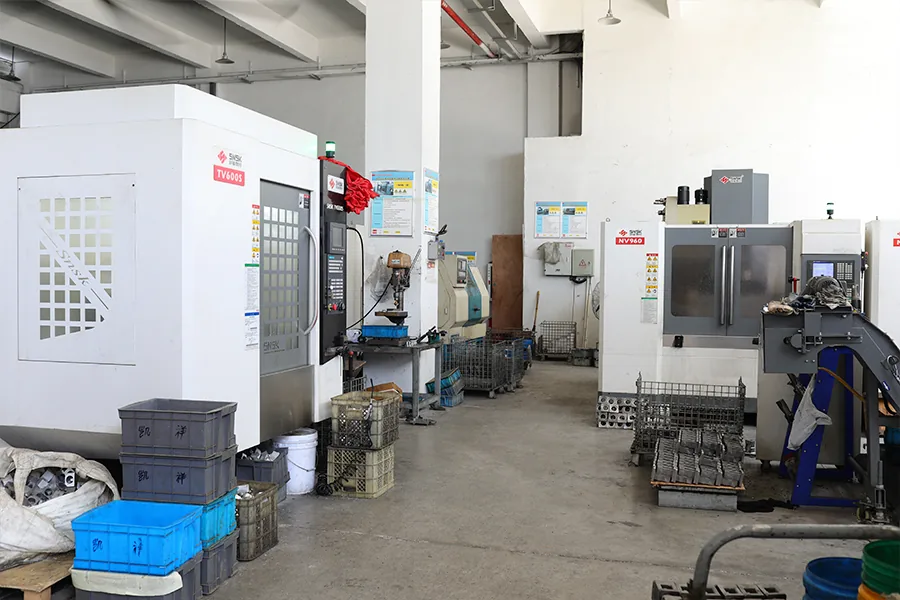
CNC Router Ball Screw Upgrade: Stepper and Servo RFQ Guide
A CNC router ball screw upgrade should not be quoted by model only because motor type, lead, speed, torque, and coupling affect the usable solution.
Send CNC router upgrade parameters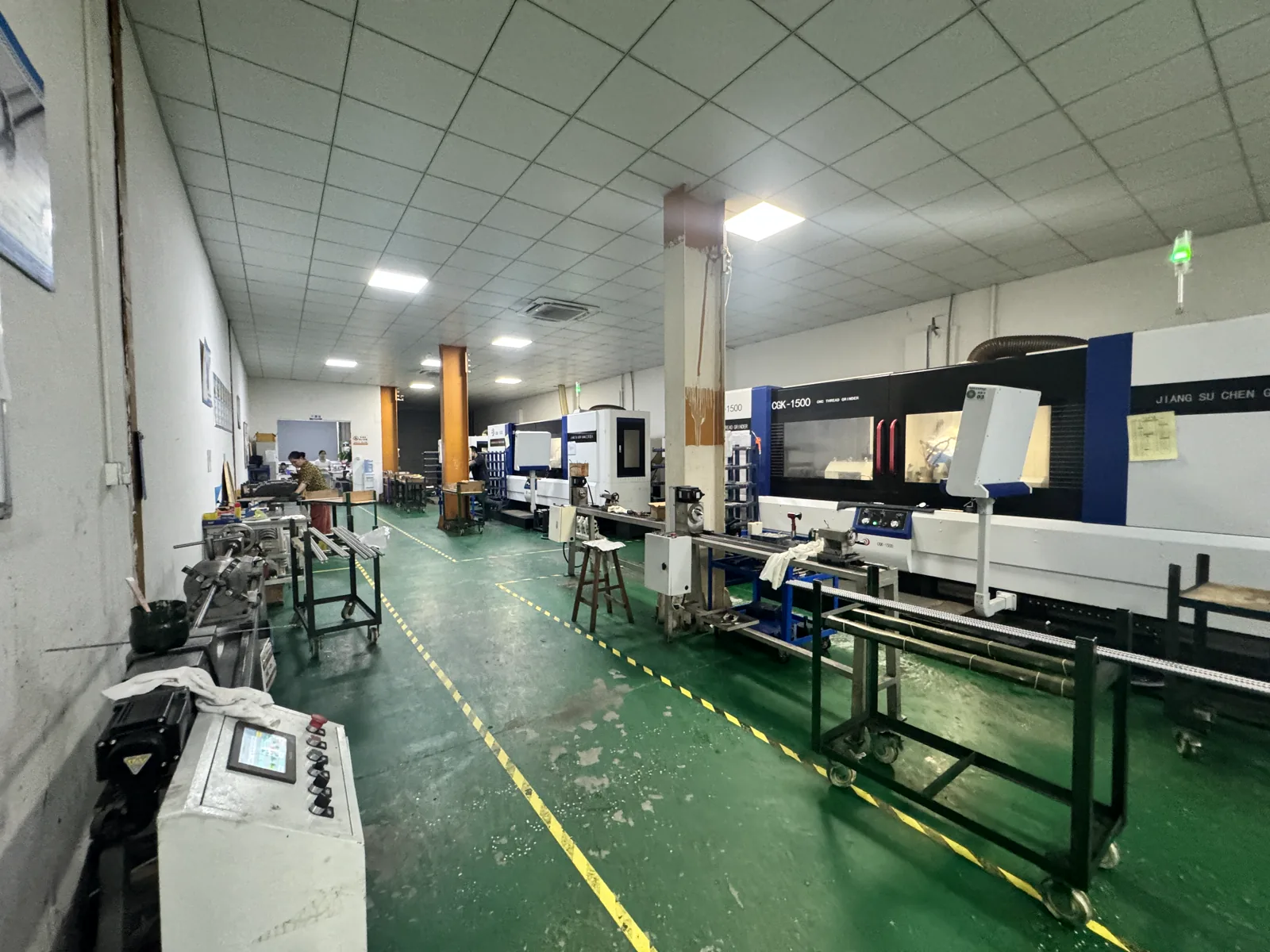
Automation Ball Screw RFQ: How to State Application Parameters
An automation-equipment RFQ needs application parameters alongside the model, accuracy, lead-time, and packing requirements.
Send automation application parameters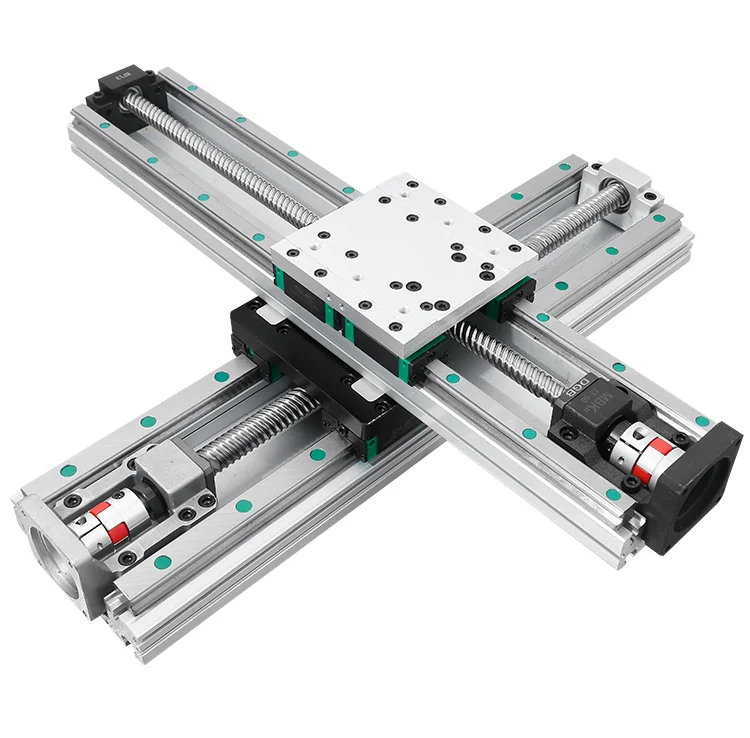
Linear Module Basics: Stroke, Load, Speed, and Accuracy Explained
State stroke, load, speed, cycle time, and accuracy together when selecting a linear module and requesting a quote.
Send linear module parameters