3205 and 3210 both use 32 mm diameter
3205 usually means 32 mm diameter with 5 mm lead, while 3210 means 32 mm diameter with 10 mm lead. A 32 mm diameter screw is often used for higher load or longer travel, but selection still depends on speed, support span, and mounting method.
| Parameter | 3205 (5 mm lead) | 3210 (10 mm lead) |
|---|---|---|
| Linear speed at 1000 rpm | 5 m/min | 10 m/min |
| Thrust from 1 N·m (efficiency 0.9) | About 1.1 kN | About 0.57 kN |
| Travel per pulse at 1600 pulses/rev | About 3.1μm | About 6.25μm |
| Weight per piece (steel density, 2 m) | On the order of 12.6 kg | On the order of 12.6 kg |
Weight is what gets overlooked on a 32 mm screw: a 2 m shaft alone is on the order of 12.6 kg, and with the nut and packing it becomes a heavy-goods item for handling, lifting and freight.
For long travel, check support span and critical speed first
A long ball screw should not be judged only by diameter. As support span increases, high-speed use must check critical speed, vibration, alignment, and end support structure. 3210 is faster, but high-speed stability must be confirmed.
Critical speed rises with screw diameter and falls with the square of the support span, so a 32 mm screw buys span with diameter: calculate the usable rpm first, then choose the lead. For the same comparison on a 20 mm screw, see 2005 vs 2010 ball screw selection; the 3210 specification page is 3210 ball screw.
Load, packing, and transport risk belong in the RFQ
A 32 mm screw is usually heavier and long-part packing risk is higher. State overall length, quantity, shipping method, and whether wooden case or hard tube support is needed to reduce bending, end damage, or nut stress.
Packing guidance for heavy long parts is in how to write export packing for long ball screws.
3205/3210 RFQ checklist
- Confirm 3205 or 3210, or provide speed and thrust target for supplier recommendation.
- Provide overall length, thread length, support span, mounting direction, and working travel.
- Describe load, target speed, environment, and whether this is repair replacement.
- Confirm end machining, nut style, packing risk, shipping method, and quantity.
- For heavy orders, state the handling and lifting conditions and whether pallet reinforcement is needed.
FAQ
Is 3210 always better than 3205 for long travel? Not always. 3210 is faster at the same rpm, but long travel also depends on critical speed, support span, load, vibration, and mounting rigidity, so the supplier should recheck the speed and travel requirement when needed.
Is 32 mm always better than 25 mm? It is not "better" but "capable of more load and a longer span". If 25 mm already covers the load and span, moving to 32 mm only adds weight, inertia and cost.
Does weight affect selection? Yes. A heavy screw needs more support and more careful handling, and on a horizontal axis its own sag limits the usable span.
Next step
Turn this guide into an RFQ
When the specification direction is clear, send the details below together with quantity, lead time, and packing requirements.
Include these details
- Model, diameter, lead, accuracy grade, or target application.
- Load, speed, travel, mounting method, and matching rail or support-unit needs.
- Quantity, lead time, packing, and whether inspection records or shipment photos are needed.
Category
Related Technical Guides
Continue with similar buyer questions
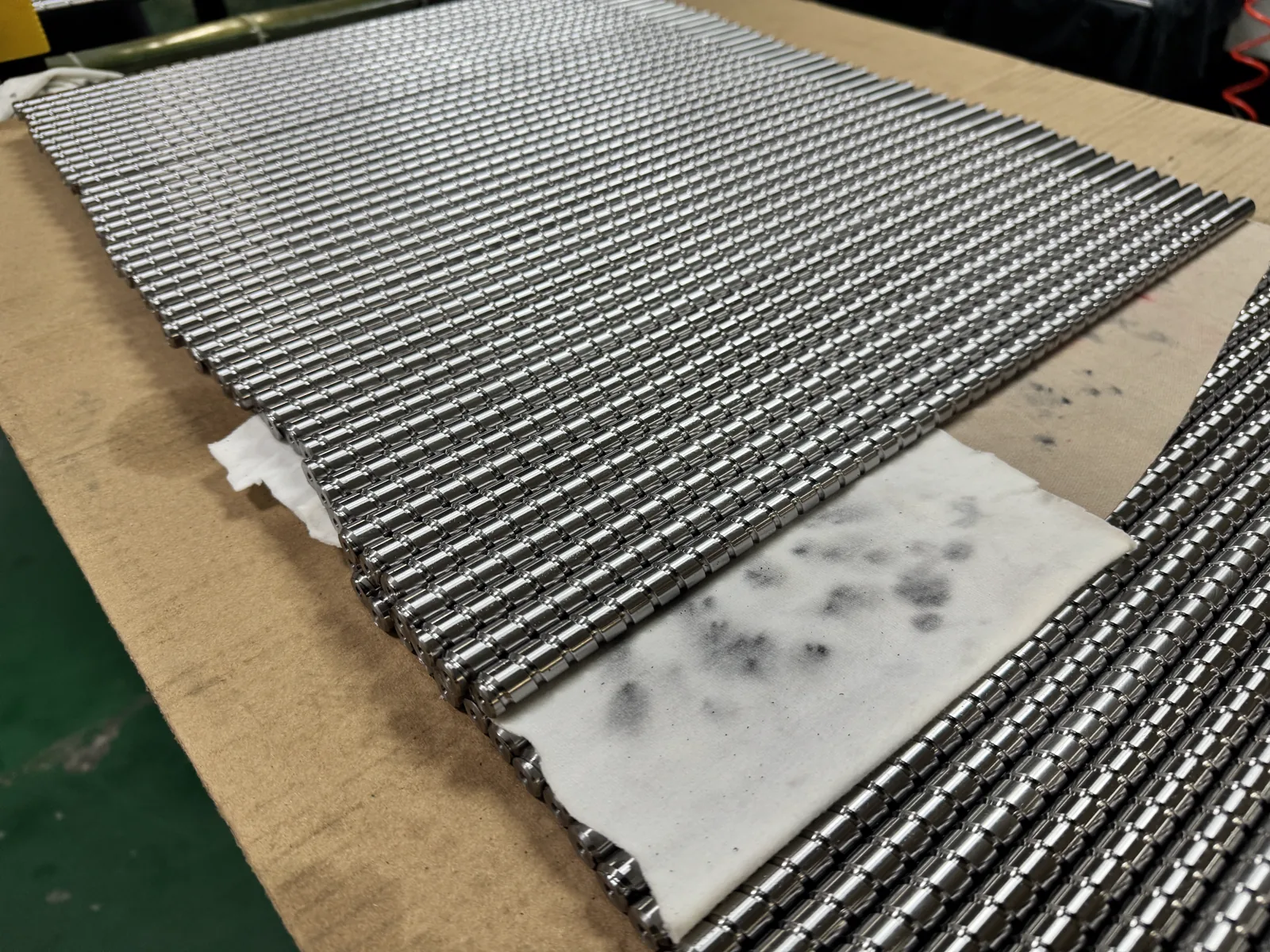
Ball Screw Critical Speed: Length, Support Method and Speed Limits
Check the long-travel ball screw speed limit against its bore, support span, support method, and DN value.
Send speed and support method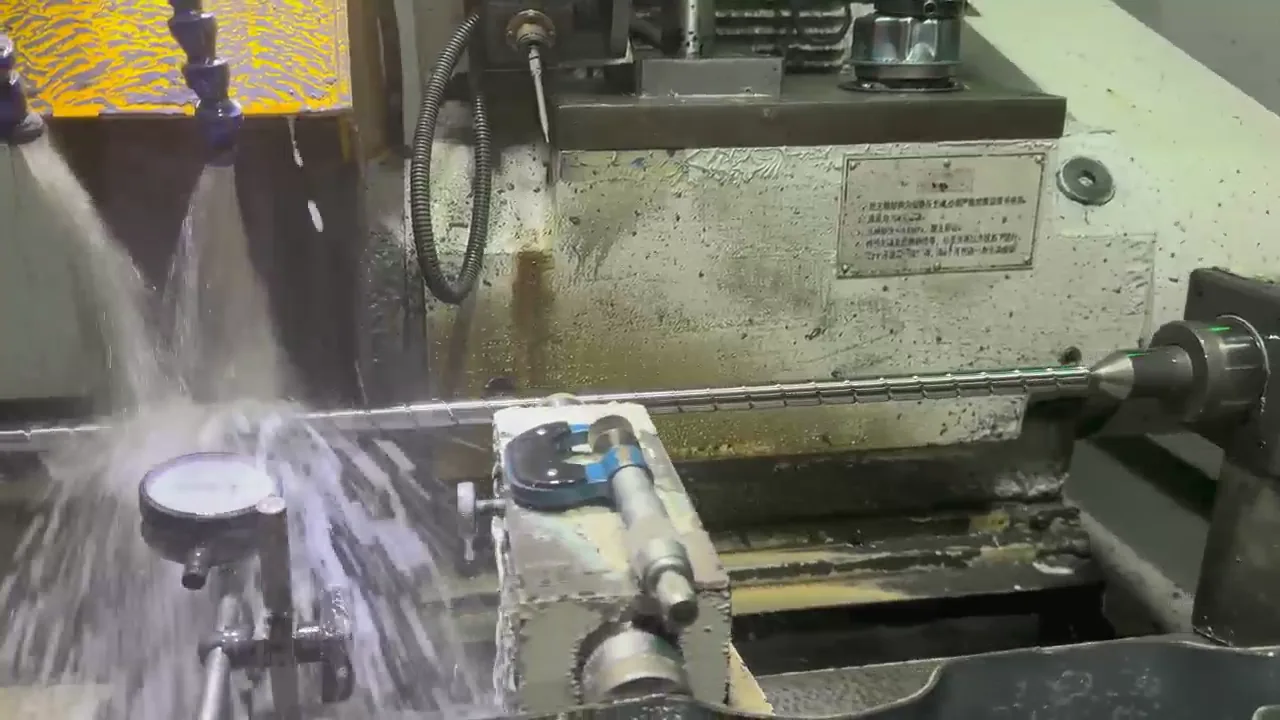
2005 vs 2010 Ball Screw: Lead, Speed, and Load Guide
Explain how 5 mm and 10 mm lead on a 20 mm ball screw affect speed, torque, load, and machine fit.
Send 2005/2010 requirements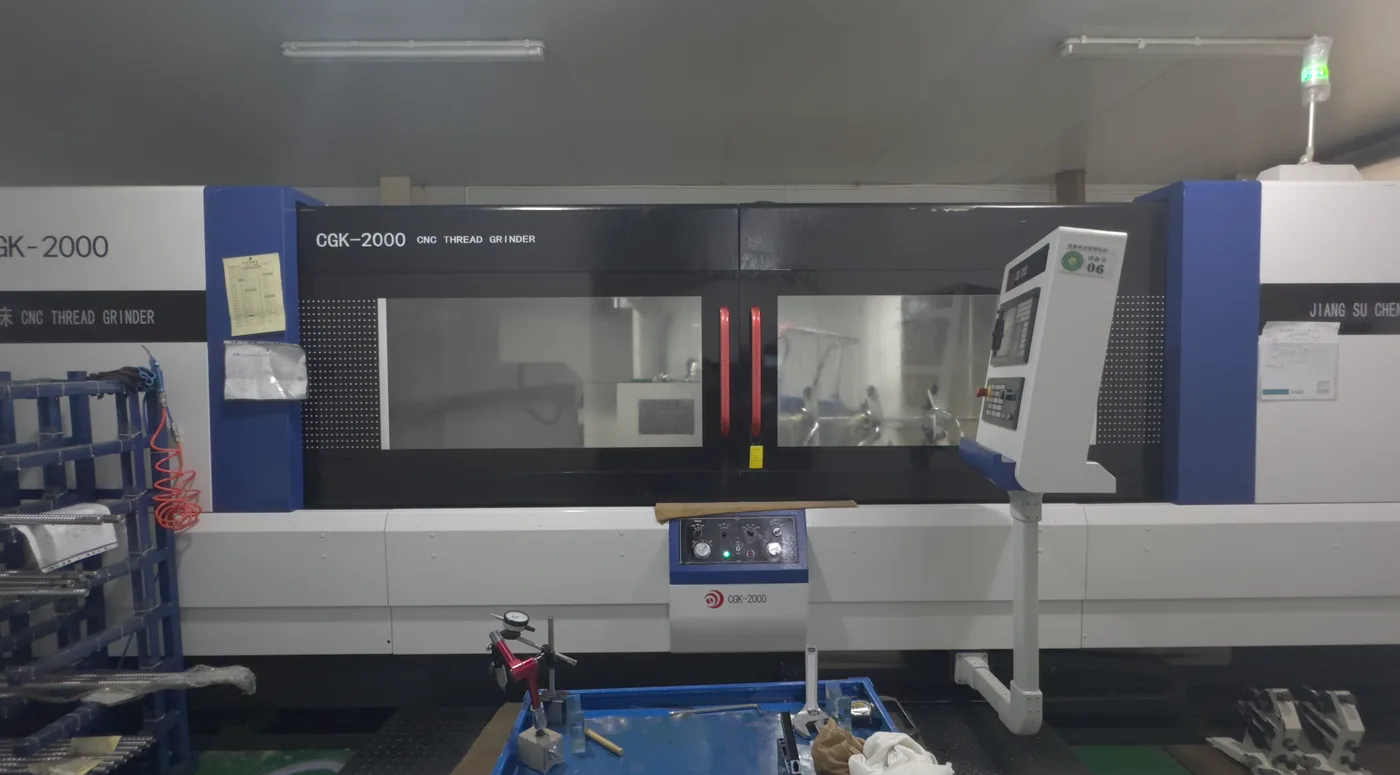
Vertical Z Axis Ball Screw: Load and Brake Selection
A vertical Z axis needs more attention to load, brake, and drop risk than a horizontal axis, so lead should not be selected by speed alone.
Send Z axis load and brake details