Match the machine condition before choosing a model
Selecting a ball screw for a CNC machine starts with the actual working condition, not the brand. Confirm three factors first: machining load, feed speed, and positioning accuracy. These decide screw diameter, lead, and accuracy class.
- Machining center axes: heavy load, commonly 25-40 mm diameter with 20-40 mm lead driven by servo motors.
- Woodworking CNC and engraving machines: light load and higher speed, commonly 16-20 mm diameter with 10-20 mm lead.
- Precision positioning: C3 or C5 accuracy class, often working with a linear scale or encoder in a closed loop.
Lead decides speed and thrust
A larger lead means more travel per motor revolution and higher speed, but lower thrust at the same motor torque. The difference between 10 mm and 20 mm lead directly affects feed rate and machined surface quality.
What to include in the RFQ
When asking a supplier for a quotation, include the following in one RFQ:
- Screw diameter, lead, overall length, and working travel.
- Accuracy class such as C5 or C7, and expected positioning accuracy.
- Fixed-side and support-side arrangement, or matched end machining.
- Motor interface: coupling-end diameter, keyway, or lock thread.
- Working environment: dust, cutting fluid, or high temperature.
Higher accuracy class is not always better
C5 costs more and takes longer to produce than C7. For ordinary woodworking CNC, C7 is enough; machining centers and precision engraving benefit from C5. State the real accuracy requirement in the RFQ so you do not pay for accuracy you will not use.
FAQ
Does a CNC ball screw always need a servo motor?
Not necessarily. A stepper motor can drive it, but a servo motor with encoder feedback gives better positioning and high-speed performance, which is why machining centers generally use servo drives.
Does a larger lead reduce machining accuracy?
Lead affects resolution and thrust. With a larger lead, each single step moves further, so precision work should use a suitable lead with a high-resolution drive.
Use one simple relation to screen the lead
The basic relation is: linear speed = rpm × lead. At 3000 rpm with a 10 mm lead, the theoretical speed is about 30,000 mm/min; motor torque, critical speed, load, and control settings still limit the real result.
Next step
Turn this guide into an RFQ
When the specification direction is clear, send the details below together with quantity, lead time, and packing requirements.
Include these details
- Model, diameter, lead, accuracy grade, or target application.
- Load, speed, travel, mounting method, and matching rail or support-unit needs.
- Quantity, lead time, packing, and whether inspection records or shipment photos are needed.
Category
Related Technical Guides
Continue with similar buyer questions
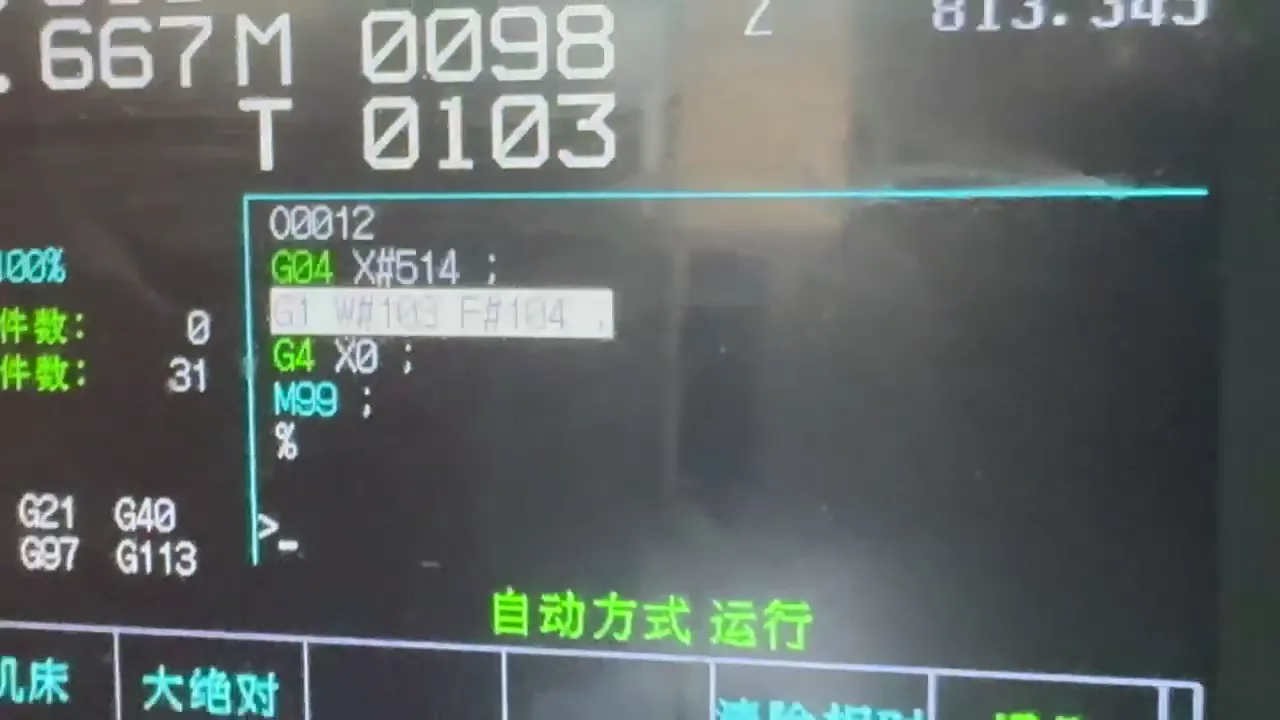
1605 vs 1610 Ball Screw: 5 mm vs 10 mm Lead
Choose between 1605 and 1610 by speed, thrust, positioning requirement, and critical-speed limit.
Send 1605/1610 requirements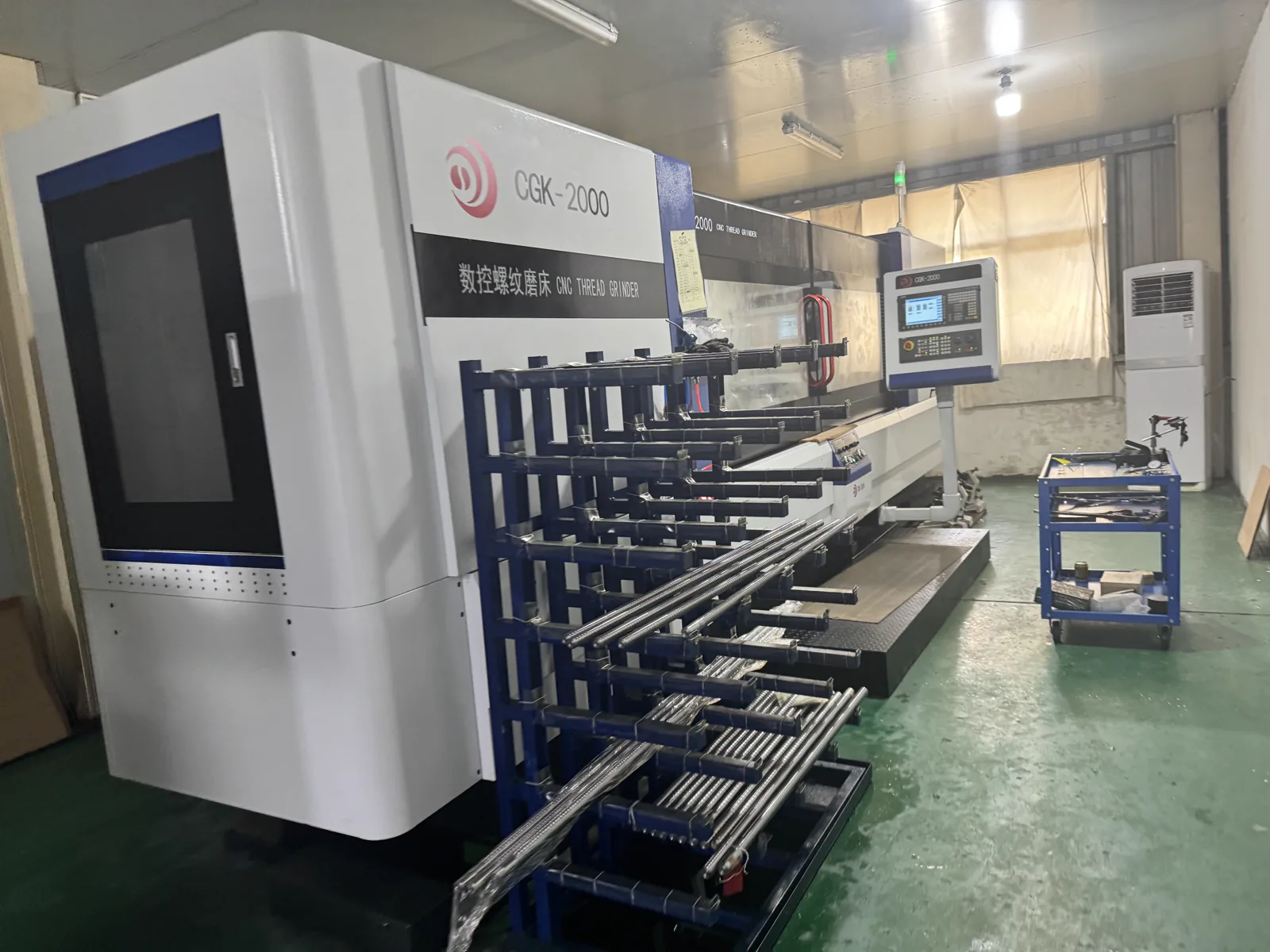
How to Choose Ball Screw Lead for a CNC Router
Explain common CNC router lead selection by speed, thrust, control resolution, and axis use.
Send CNC lead requirements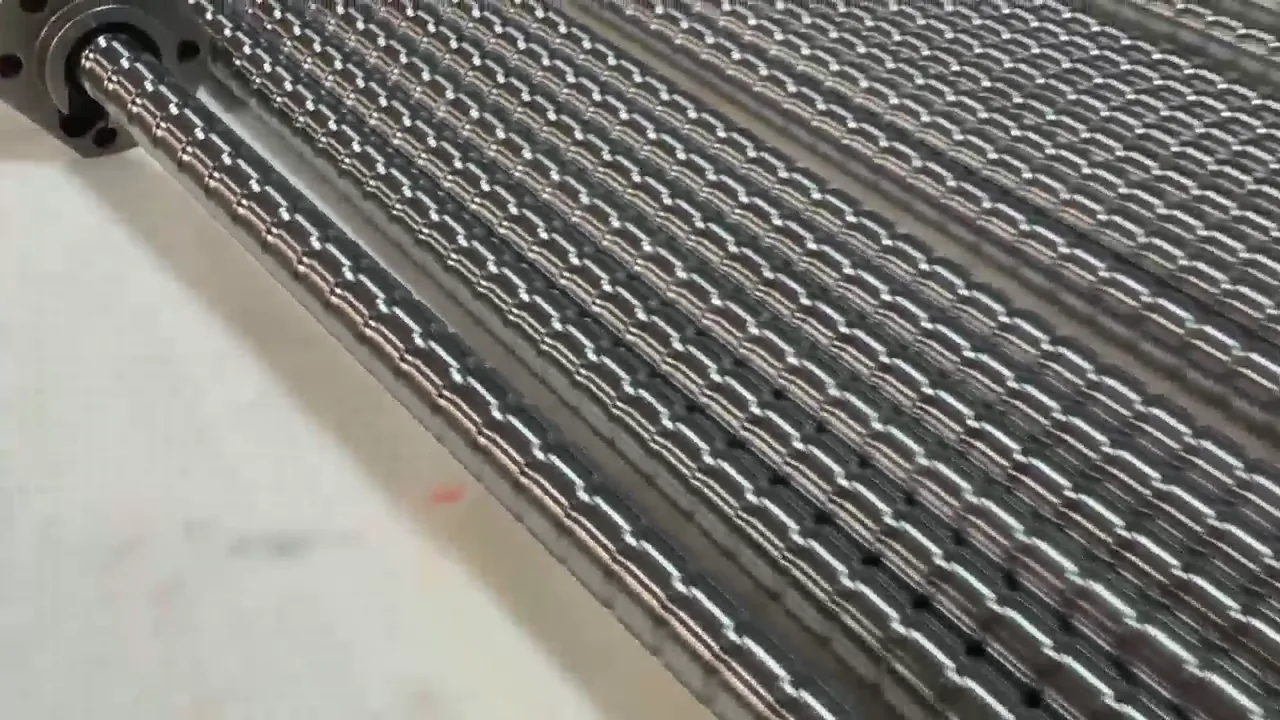
2505 vs 2510 Ball Screw: Lead, Speed, and Load Guide
Explain how 5 mm lead and 10 mm lead on a 25 mm diameter ball screw affect speed, thrust, and machine fit.
Send 2505/2510 requirements