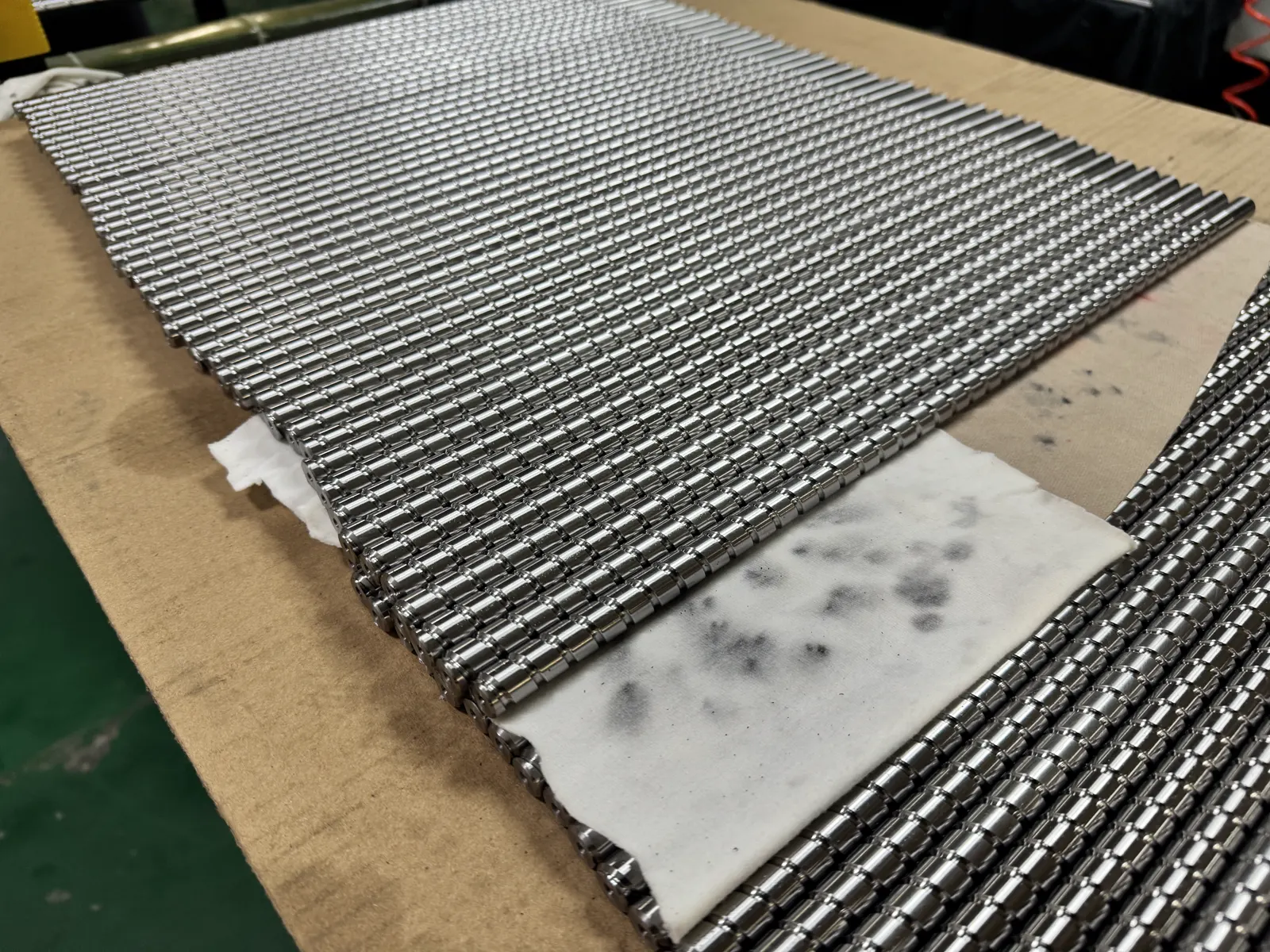
Distributor Purchase
How to Order Ball Screws for Distributor Stock
State the model, length, nut, packing, and batch plan in a distributor RFQ.
Send distributor purchase listProducts
MGN/MGW miniature guides, HGR profile rails, and SBR supported round rails with matching carriages for machine builds, repairs, and distributor orders.
These rail families solve different problems, so start with the machine structure, not with the model number. Miniature MGN/MGW guides suit compact automation, small slides, and mechanisms with limited travel and little mounting space. HGR profile rails suit machine tools, machining equipment, and axes that need higher rigidity, with carriages selected from the same series. SBR round rails combine a cylindrical shaft with a supported carriage, which fits machine retrofits, repair replacement, and simpler linear motion.
All three families use carriages from the matching series. Before quoting, confirm whether the carriage is the standard or the longer body, single or multiple carriages per rail, and the flange or square mounting face, plus how many carriages go with how many rails. If a machine uses two or more rails in one axis, say so, so the parts can be marked as a set within the same order.
For repair replacement, send photos of the old part, the marking on the rail, and measured lengths, and we can narrow the options. For a new build, describe the load direction, mounting orientation, and required travel so the choice between miniature, profile, and round rail is clear.
| Rail type | Where it fits | What to put in the RFQ | Carriage and setup points |
|---|---|---|---|
| Miniature MGN/MGW | Compact automation, small slides, limited mounting space, shorter travel | Carriage model and quantity, rail length, mounting hole spacing, old-part photos or drawing | Matching miniature carriages: standard or longer body, single or multiple carriages, mounting face style |
| Profile rail HGR | Machine tools, machining equipment, axes needing higher rigidity, longer travel | Rail model and length, carriage model and quantity, mounting hole position and spacing, accuracy and preload as marked | Matching profile carriages: flange or square face, and whether multiple rails are used as a set |
| Round rail SBR | Retrofits, repair replacement, simpler linear motion, transitional setups | Shaft diameter and length, supported carriage model and quantity, mounting hole spacing, measured old-part sizes | Shaft with supported carriage: whether shaft support is needed, one shaft or several |
| Joined long rails | Lengths beyond normal shipping size, or sites where one piece cannot be installed | One-piece requirement or joined supply, joint position, mounting datum, shipping method | The joint position affects how smoothly a carriage passes it and must be confirmed before the order |
Overall rail length and effective travel are two different numbers. Travel is the distance the carriage actually moves. Rail length has to cover that travel plus the carriage body and the mounting allowance at both ends. If you send travel only, we cannot tell how long the rail has to be cut. Please state overall rail length and effective travel separately, and say whether the rails ship as full lengths or cut to length.
For carriages, give the model, quantity, and mounting face style. Mounting holes must be clear: whether they are the holes along the rail centre line or the holes in the machine base, which end the spacing is measured from, and whether the holes have already been machined to drawing. If the drawing marks an accuracy grade and preload, send those markings too. They decide which grade the quotation refers to and whether matched grinding is required.
Keep quantity, timing, packing, and shipping method in the same RFQ. Quantity should separate sample quantity, batch quantity, and the repeat order plan. Timing should give a target date and say whether partial shipment is acceptable. Packing should state label, shipping mark, and photo requirements. These points decide how machining, assembly, packing, and freight are allocated.
Rails are long parts, and the longer they get, the more the packing has to support them instead of merely wrapping them. Confirm whether the order ships as single pieces or joined lengths. For joined supply, give the joint position, because a joint changes how smoothly a carriage passes it. Hard tubes and wooden cases are both used, depending on length, weight, quantity, and shipping method, and the support points have to match the length.
State the shipping method and lifting plan in advance. Container loading, transfer, and on-site lifting of full-length rails all affect the packing concept. If the site aisle or mounting position limits one-piece length, write the maximum acceptable single length in the RFQ so joined or split supply can be checked. Packing photos can be provided before shipment on request.
Work through this list in order. If a field is still open, mark it as to be confirmed. That is faster than an email that only asks for a linear guide price.
Technical Guides
Read selection, RFQ, machining, and packing articles for this product family before sending an RFQ.
State the model, length, nut, packing, and batch plan in a distributor RFQ.
Send distributor purchase list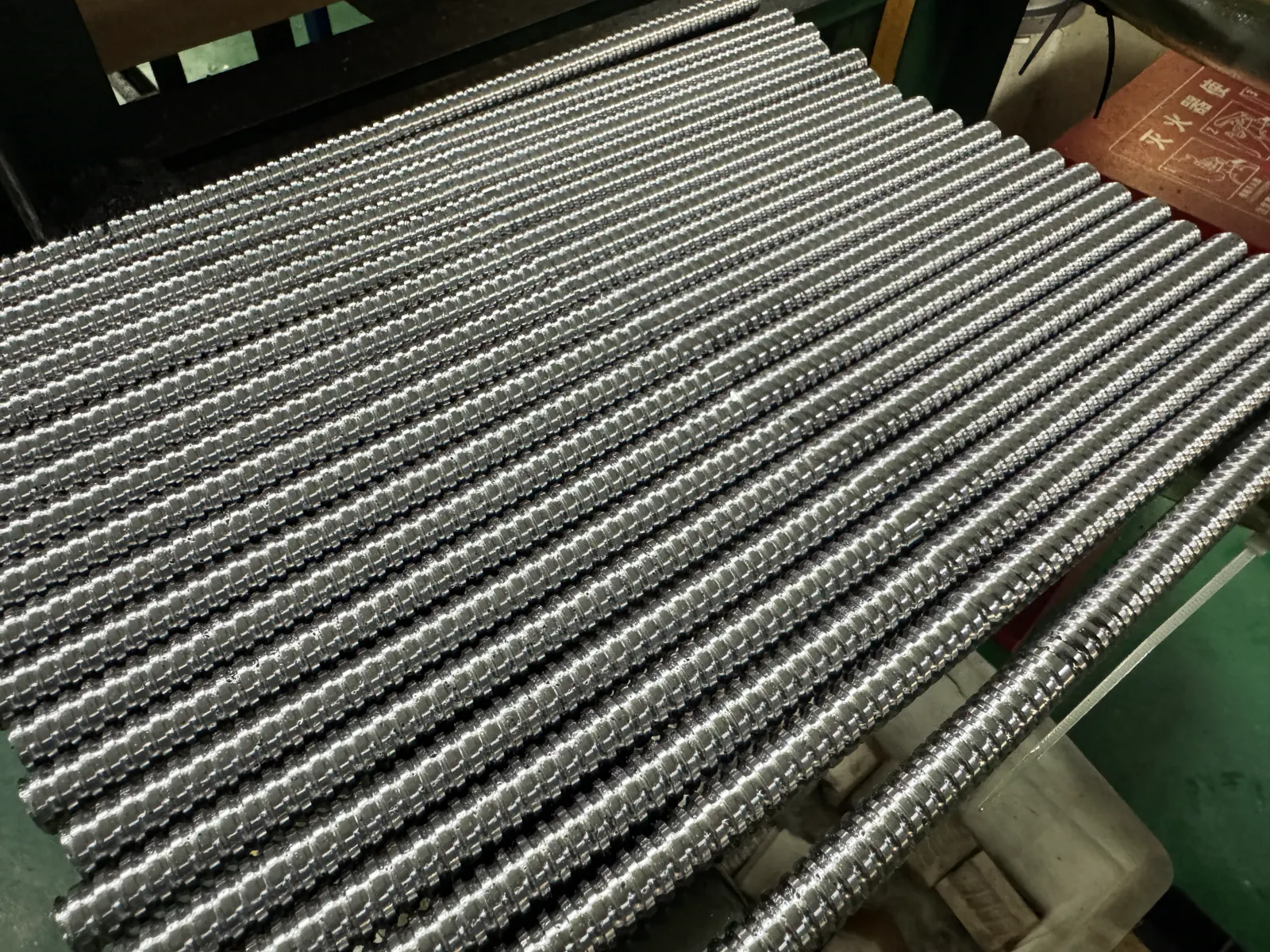
Use a dial gauge to locate backlash at the nut, bearing preload, support unit, coupling, guide, or installation.
Send backlash issue details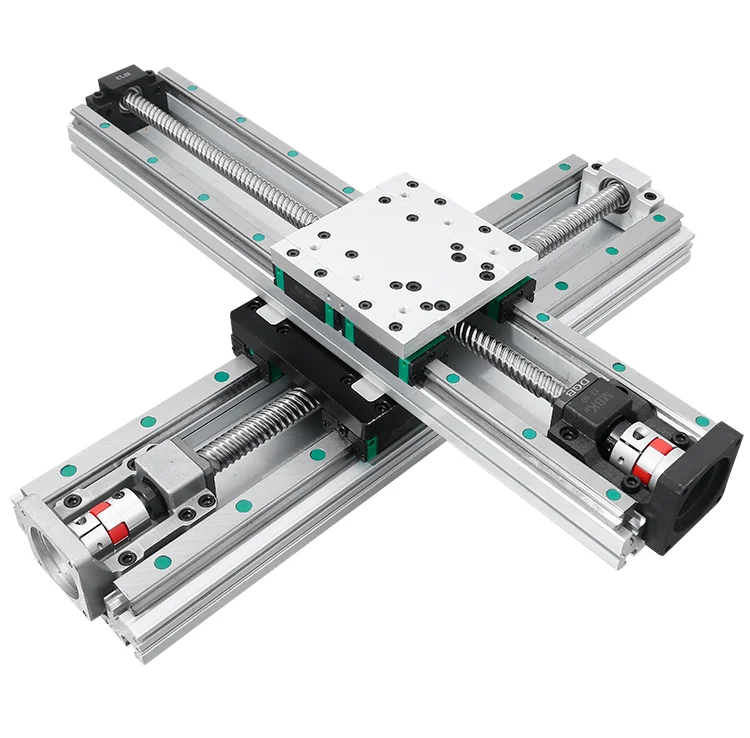
State stroke, load, speed, cycle time, and accuracy together when selecting a linear module and requesting a quote.
Send linear module parameters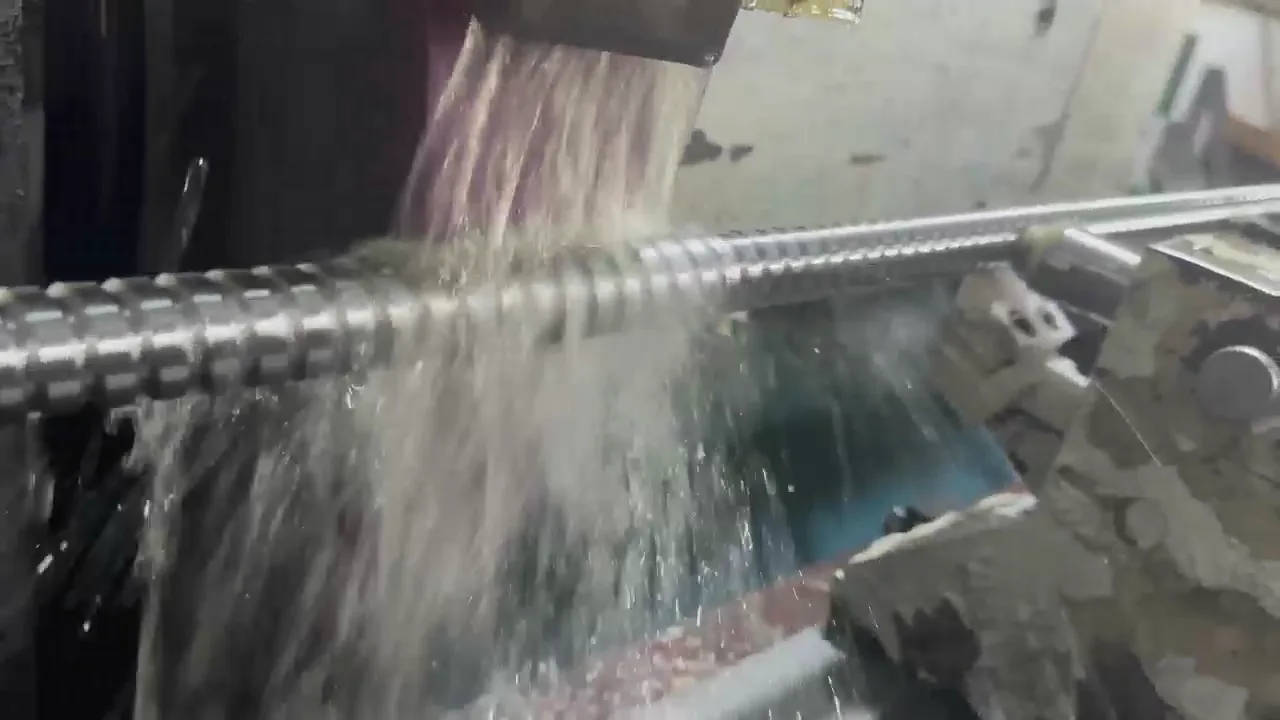
A linear module inquiry should describe the ball screw, slide, guide rail, motor connection, and repeatability together instead of quoting by model only.
Send linear module parametersProducts
Rails usually share a machine with ball screws, support units, couplings, and linear bearings. Check what else in the same motion assembly should be quoted together, then decide which parts belong on one drawing and one order.
Ball screws and matching nuts in SFK, SFU, SFWU, SFS, SFA, SFY, SFG, and straight S/U series. Specify the model, length, and quantity for a quote.
Ball screw-driven linear modules, including compact G7×40 models, with matching motor mounts. Specify travel, load, and speed so the application and quotation can be checked.
Rod-end bearings with male or female threads and spherical plain (joint) bearings for linkage joints, cylinders, conveyors, and automation machines. Radial, angular-contact, and thrust series, with self-lubricating liner options; custom shank lengths and threads available. Send your application and thread size for a quotation.
FAQ
These are the three points that come up most often in a linear guide RFQ.
Effective travel is the distance the carriage moves. Overall rail length also has to hold the carriage body and the mounting allowance at both ends. With travel alone we cannot tell how long to cut the rail, or check whether the hole pattern and end allowance still work. Sending both keeps the quotation and the drawing check short.
Joined supply can be discussed, but confirm three things before the order: where the joint falls, whether the joint has to avoid a mounting datum on the machine, and whether the carriage passing the joint is acceptable for the application. If joining is not allowed on site, give the maximum acceptable single length so packing and shipping can be planned around it.
For repair replacement, start with photos of the old part, the marking on the rail, and measured length and hole spacing, so the options can be narrowed. For a new build, mounting hole position and spacing, travel, and the accuracy or preload marking are the useful inputs. Photos and sketches can start the check, but final machining and assembly are confirmed only after the drawing is agreed.
+8615268772262
Leave your question or requirement and we will continue in WhatsApp.
Continue in WhatsApp