Distributor Purchase
How to Order Ball Screws for Distributor Stock
State the model, length, nut, packing, and batch plan in a distributor RFQ.
Send distributor purchase listGuide categories
Set out the common inventory, packing labels, and batch purchasing details for distributor orders.
A machine builder buys for a project. The machine, the axis, and the mounting decide the model, and one order usually maps to one design. A distributor buys for a market. Several customers, several machine types, and a local repair channel all pull from the same shelf, so the first question is which sizes move and which ones sit.
That shapes the stock list itself. Coverage has to match the sizes local shops ask for, and lengths should be usable on arrival so a second cutting step is not needed for every order. Nut pairing matters as much as the screw: if a customer has to source the nut elsewhere, the whole set often moves to another supplier. Labels and packing decide whether goods can go straight to a customer or must be repacked locally.
The slow part of distributor supply is not the first order. It is the repeat order placed later, when the same specification has to be described again and both sides recheck whether it still means the same item. Writing models, lengths, nut pairing, label fields, packing rules, and batch split into one baseline turns that repeat order into a quantity update.
Replenishment rhythm belongs in the same document. Sample, first batch, and the follow-up interval sit together so the supplier can plan bar stock and the cutting sequence. If one size sells slowly, reduce its share and give the shelf space to the sizes that actually turn over instead of spreading it evenly.
State the model, length, nut, packing, and batch plan in a distributor RFQ.
Send distributor purchase list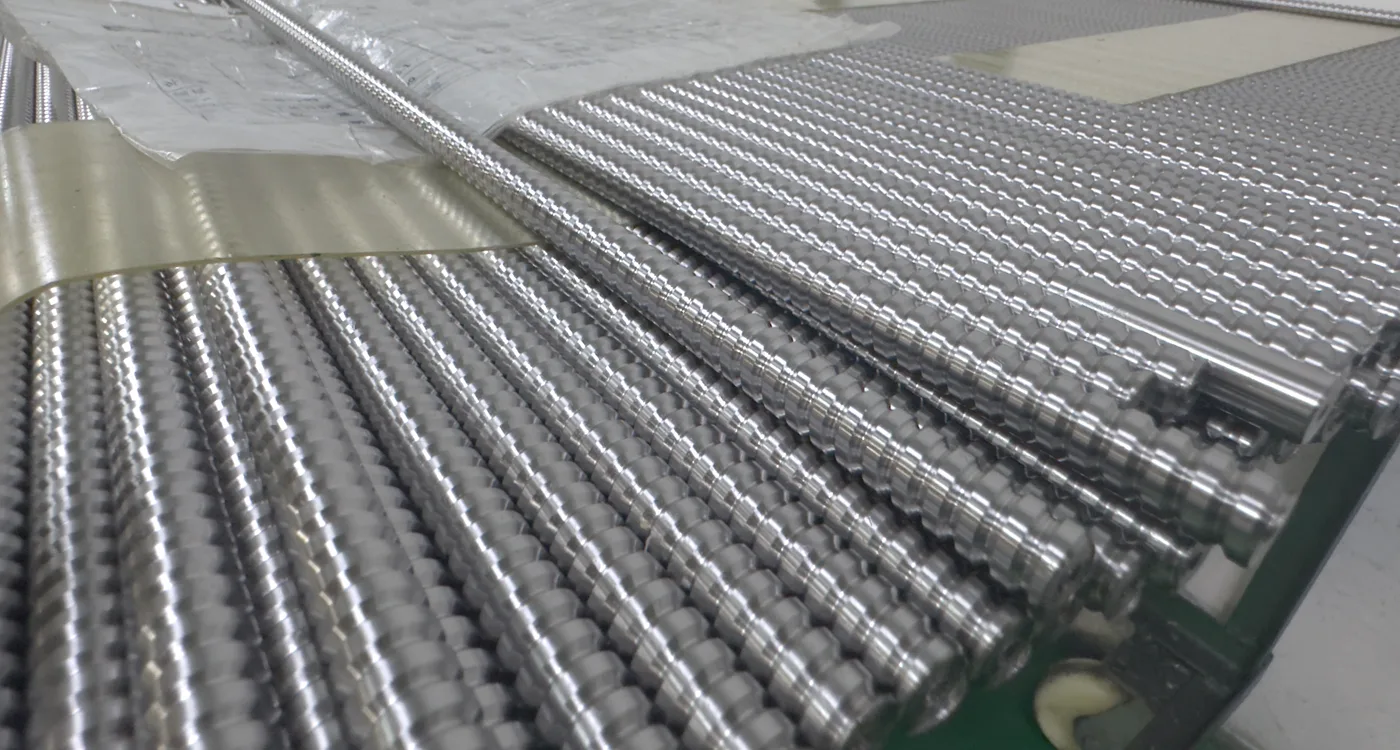
Choose stock models by local demand, first-batch quantity, and replenishment rhythm, not unit price alone.
Send stock model list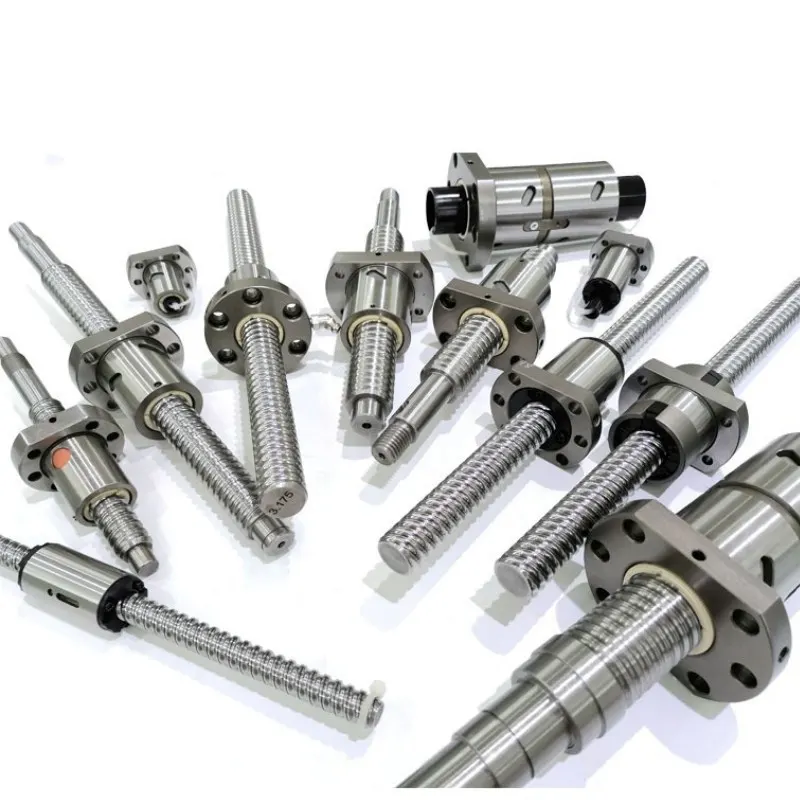
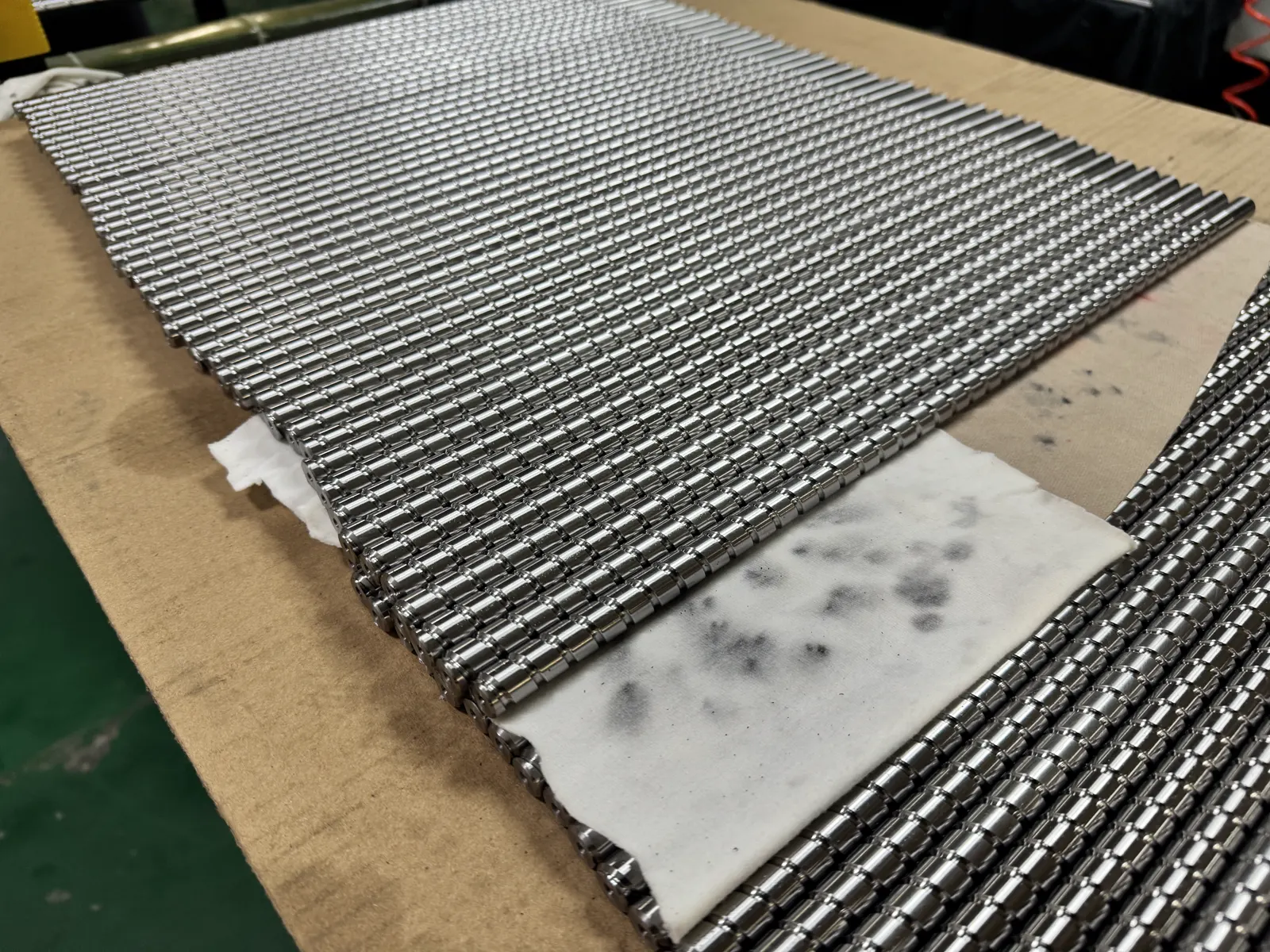
Choose fast-moving ball screw sizes, order bars or cut lengths, and state quantity, labels, packing, and lead time.
Send stock request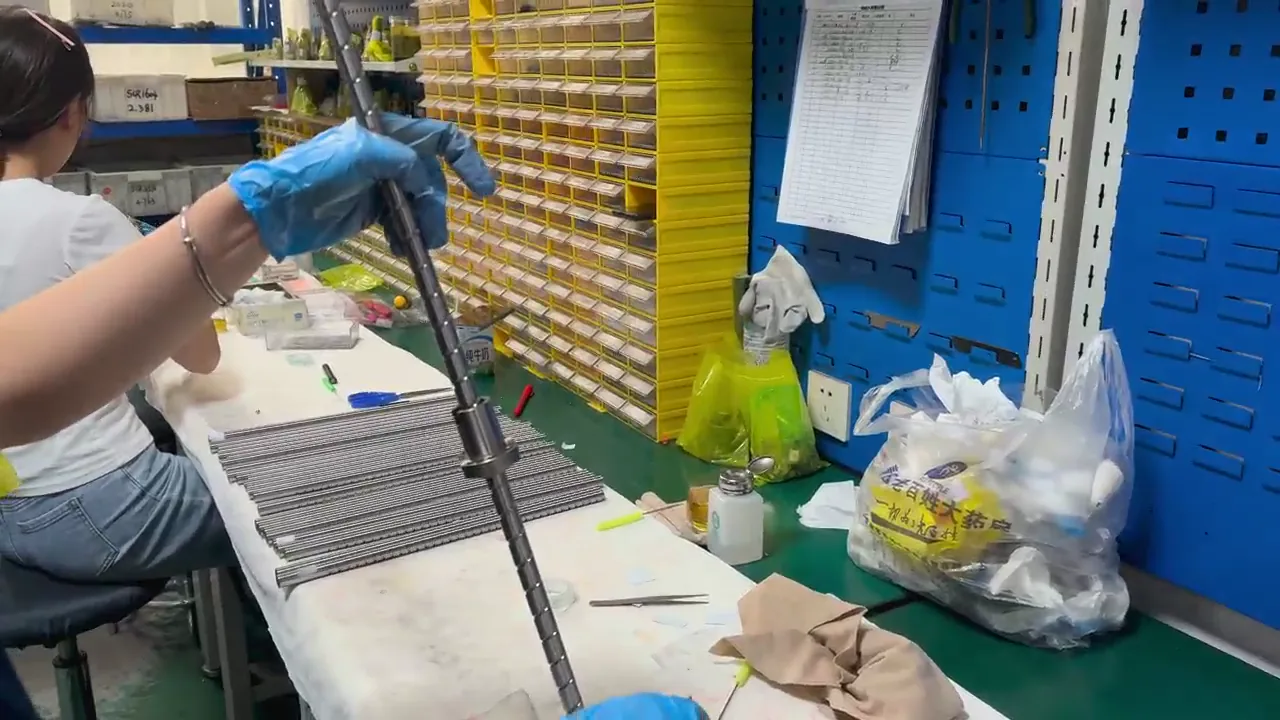
State label fields, carton marks, rust prevention, long-part support, and export packing requirements before shipment.
Send label and packing request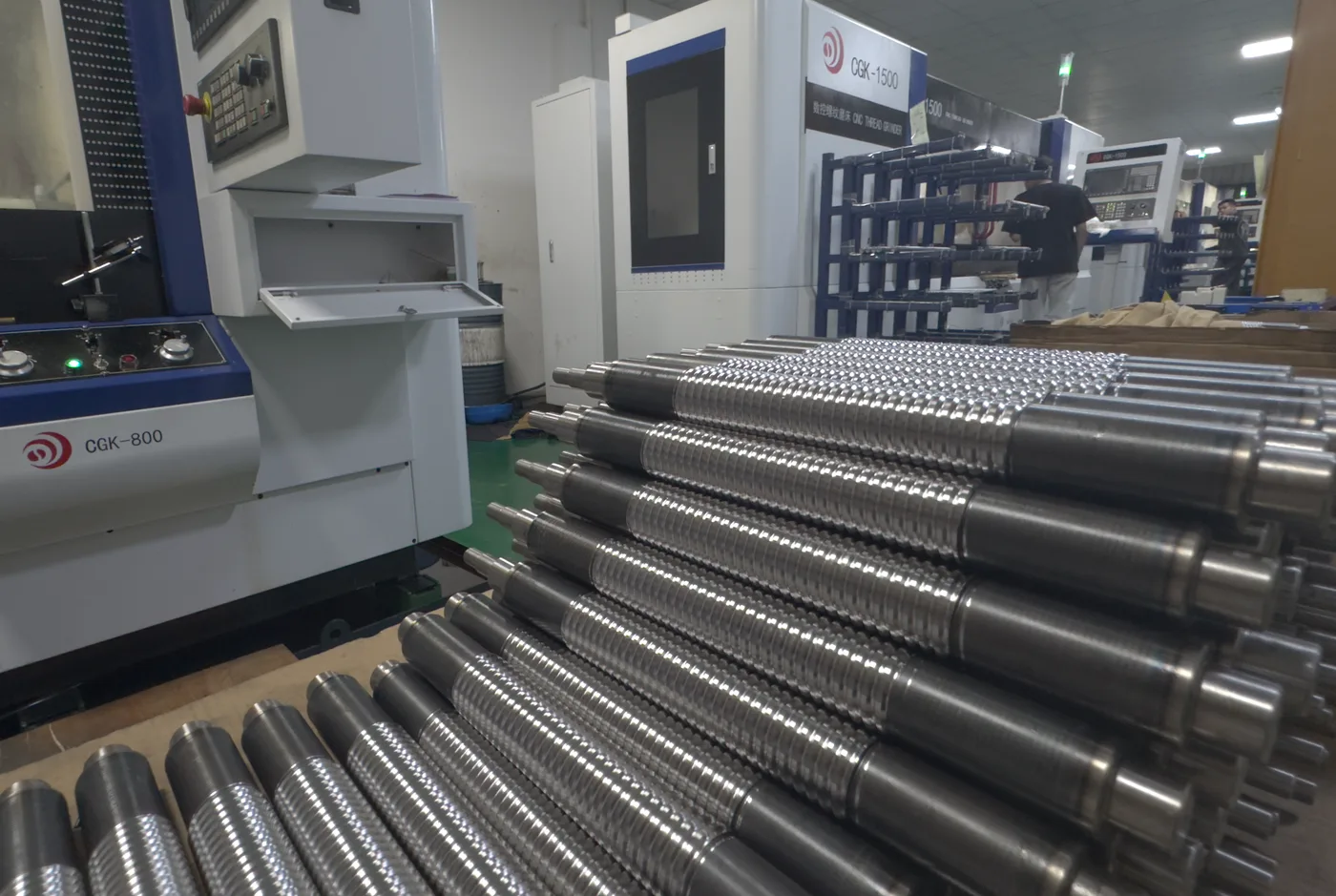
For a batch purchase, separate bar stock from cut lengths and list mixed models, matching nuts, and delivery batches.
Send batch bar purchase list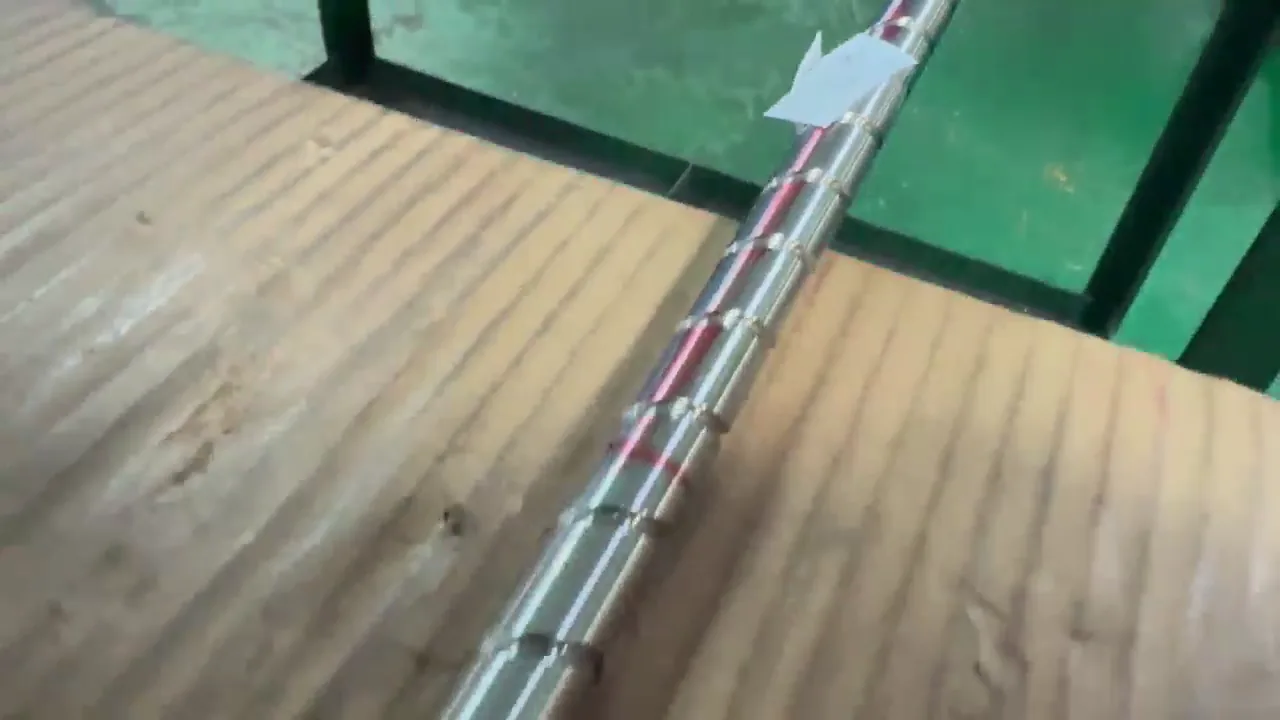
Evaluate stock coverage, labels, lead-time ranges, quality criteria, and drawing communication alongside price.
Send distributor cooperation needs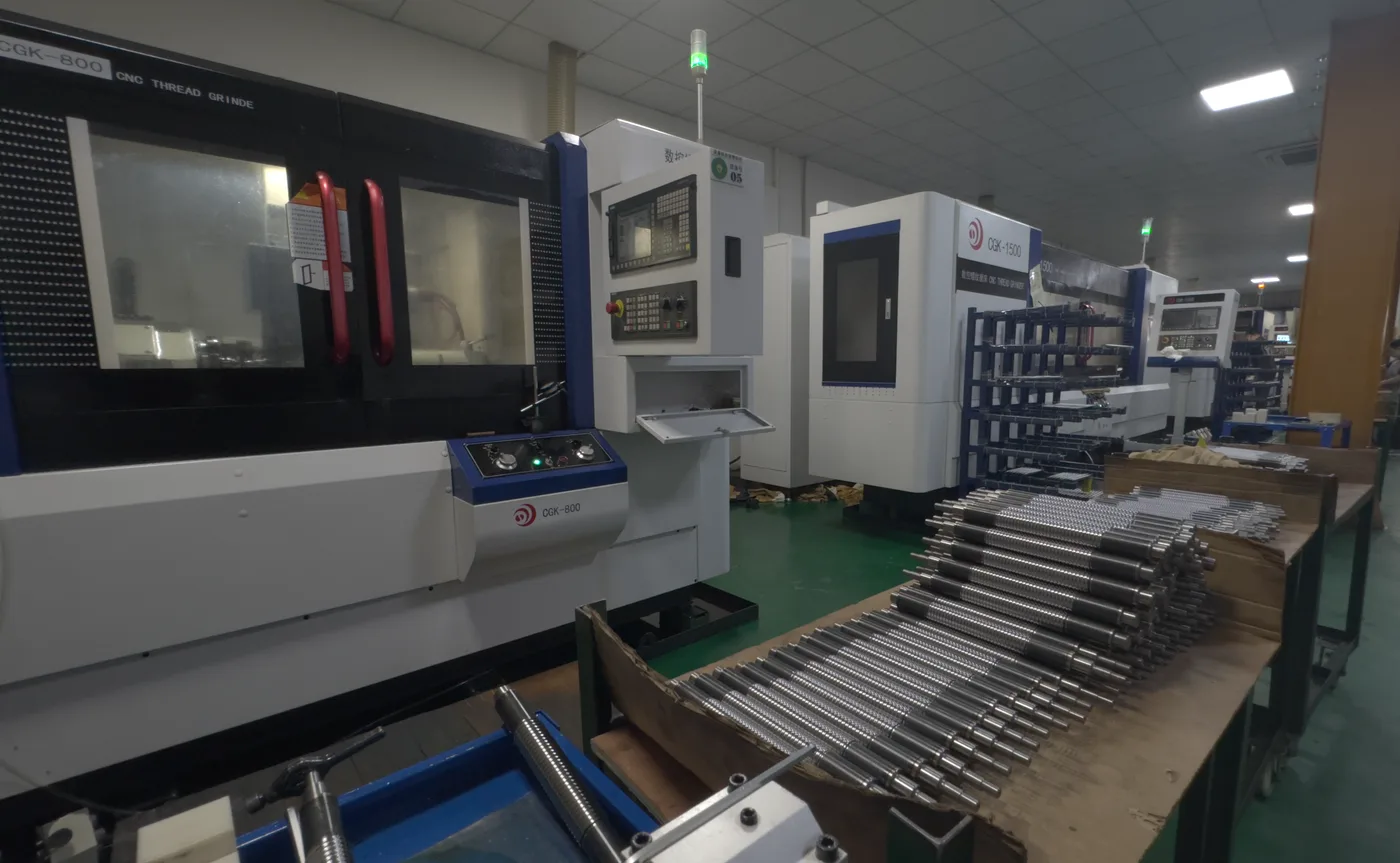
Shows why model range, length, nut quantity, labels, and packing rules should be confirmed before a distributor quote.
Send distributor stock listGuide categories
Send the model, length, quantity, application, or old-part photos. We will review the specification against the actual machine and use case.
Put these six items into one list and reuse it for the first order and every repeat order, so the baseline stays the same.
FAQ
Three points that come up in most distributor inquiries.
Models and the length structure first. Once coverage, bar or cut length, and nut pairing are fixed, quotations describe the same item and can be compared. In the other order, two quotes often cover different scopes.
Only when something changed: label text, packing method, or length. With no change, quote from the previous list and update the quantity.
Yes. Cutting and drawing-based end machining can sit in the same distributor list. Machining lines need the end drawing and support unit model so they can be priced separately from standard parts.
+8615268772262
Leave your question or requirement and we will continue in WhatsApp.
Continue in WhatsApp