Batch purchase starts by separating three forms
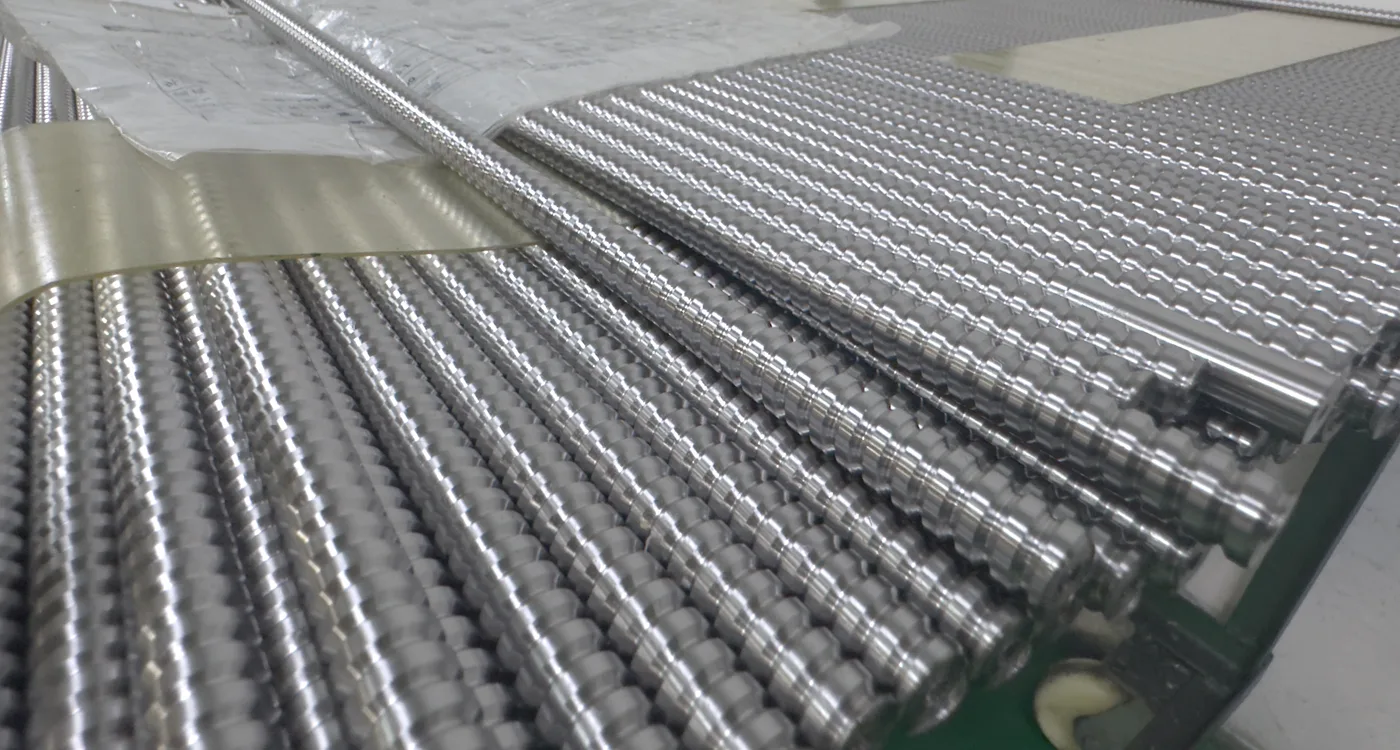
When distributors order ball screws, the first question is which form they need: bar stock (uncut), a full bar length supplied as a finished screw, or specified cut lengths machined to the assembly dimension. Bar stock suits distributors with local machining capability; cut lengths suit direct resale or repair customers.
The three forms differ in price, lead time and packing, and mixing them in one enquiry is the fastest way to create emails back and forth.
| Form | Who it suits | Further work | Typical lead time |
|---|---|---|---|
| Bar stock (4-6 m by model) | Distributors with a lathe and end-machining capability | Cut and machine locally | Standard parts ship in about 3-7 days |
| Cut lengths | Direct resale or repair replacement | We cut to the drawing and machine the ends | About 3-7 days, depending on machining volume and difficulty |
| Made to order (including C5 ground) | Machine builders and assembly | Scheduled from the drawing | About 35-60 days, depending on model and quantity |
How many cut lengths fit in one bar
Bar stock is kept in 4-6 m lengths depending on the model. How many finished screws fit in one bar depends on the finished overall length and the cut loss at each end: the loss is a few millimetres per cut, but a long screw cut into several pieces multiplies the total.
The cut length is the final overall length. End machining turns the journals, bearing seats, lock nut thread and undercut on that same bar and adds no length; the thread length has to cover nut travel plus the nut body, with a small margin at each end. That is why thread length and overall length are quoted separately. From the overall length alone, the nut travel cannot be checked.
Cut lengths have to allow for end machining and assembly
If a cut length goes straight onto a machine, the dimension has to come from the assembly, not from an old part that "looks about right". Cutting long screws to the old part length while the support units are also being replaced is one of the most common causes of batch rework.
Before ordering, confirm the finished overall length, the thread length, the journal diameter and bearing seat length at both ends, the lock nut thread, the undercut, and whether the coupling end is a keyway or a threaded end. Where support units are involved, attach the BK/BF, FK/FF or EK/EF model or the end drawing. For the individual dimensions, see how to measure ball screw end machining dimensions; the machining service is described under end machining.
Mixed models, matching nuts and packing method belong in the same RFQ
Full bar length, quantity per model, and whether mixed models are included affect production batches, packing method and transport cost. List 1605, 1610, 2005, 2510 and other models separately with their own length and quantity instead of sending one total quantity. See how to organise a multi-model RFQ list.
State the matching nuts clearly: included or separate, how many per screw, and whether they are packed on their own. For long export shipments choose a hard tube or wooden case by length and order volume, and confirm neutral packing, buyer labels, anti-rust treatment and long-part support; shipment photos can be requested. Distributor label and packing practice is covered in distributor stock: labels and packing.
RFQ checklist
- Purchase form: full bar length, or specified cut lengths.
- Models and quantities: mixed models or separate quantity for each model.
- Finished overall length, thread length and cut length per screw.
- End machining: journal, bearing seat length, lock nut thread, undercut, keyway or threaded end.
- Matching nuts: included, separate, quantity per screw, and packing request.
- Packing method, lead time, batch, split shipment, and shipment photo request.
FAQ
Are bars or cut lengths cheaper? It depends on local capability. If you have a lathe and can machine the ends, bars are more flexible and one 4-6 m bar covers several overall lengths. If the screws go straight to resale or into a machine, cut lengths save the handling, but they must be ordered from the assembly dimension, not estimated from the old part.
Is there a minimum order quantity? Batch purchasing is quoted by model and quantity; mixed models affect scheduling and packing method, so list every model, length and quantity in one enquiry and the batch and lead time can be calculated properly.
Can we cut bars ourselves? Yes, but the ends still have to be machined before a support unit will fit. If there is no turning or measuring capability locally, order cut lengths so the machining is not left half done.
Next step
Turn this guide into an RFQ
When the specification direction is clear, send the details below together with quantity, lead time, and packing requirements.
Include these details
- Common models for the target market, bar length, nut pairing, and first-batch quantity.
- Neutral packing, labels, carton marks, batch information, and shipment photo requests.
- Repeat purchasing rhythm and whether cutting or end machining may be added later.
Category
Related Technical Guides
Continue with similar buyer questions
How Distributors Choose Common Ball Screw Models for Stock
Choose stock models by local demand, first-batch quantity, and replenishment rhythm, not unit price alone.
Send stock model list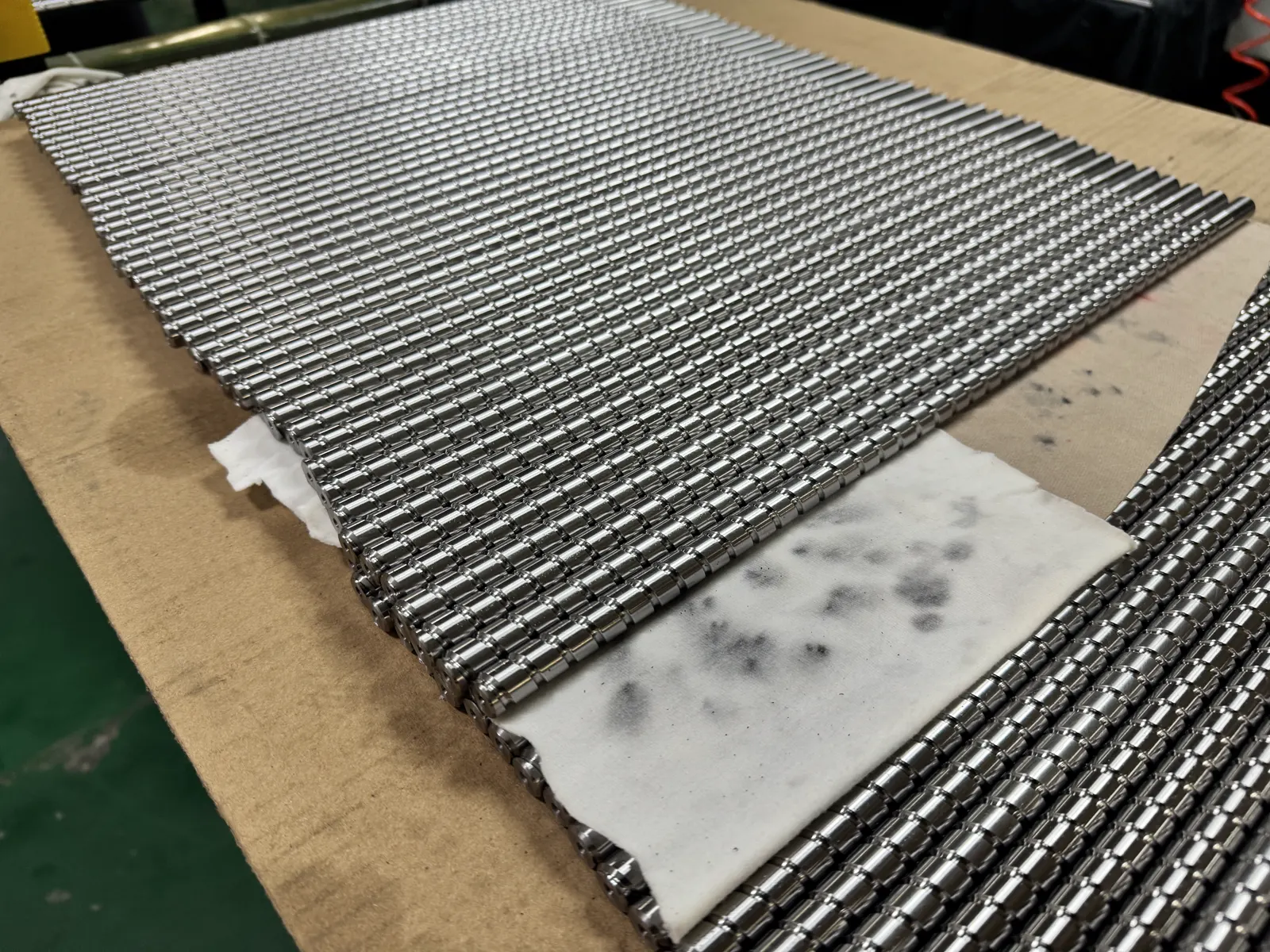
How to Order Ball Screws for Distributor Stock
State the model, length, nut, packing, and batch plan in a distributor RFQ.
Send distributor purchase list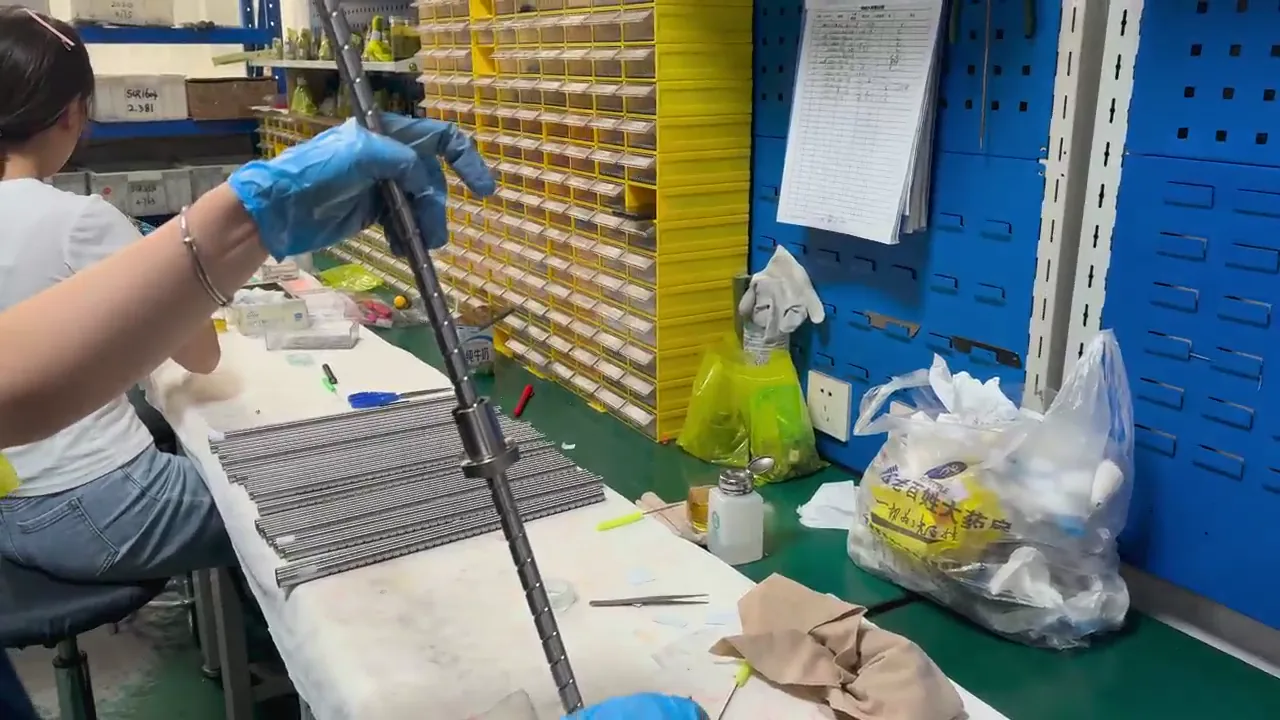
How to Write Neutral Labels and Export Packing into a Ball Screw RFQ
State label fields, carton marks, rust prevention, long-part support, and export packing requirements before shipment.
Send label and packing request