Neutral labels need field confirmation first
If a distributor needs neutral labels or customer labels, the RFQ should state label position, language, and fields. Typical fields include model, length, nut quantity, batch, customer part number, and carton number.
Beyond the fields, three things get missed:
- Where it goes: on the shaft, on the individual packing, or only on the outer carton. A label on the shaft wears during handling; for long parts, the common arrangement is a label inside the individual packing plus a fixed carton label.
- Which language: a neutral label faces your local market, so it should match that market rather than defaulting to English.
- Whether barcodes are needed: if your warehouse scans, give the content and format up front instead of re-labelling after arrival.
Carton marks affect warehouse receiving
Carton marks are not only for transport. They help the distributor warehouse identify goods after arrival. Confirm whether the mark shows brand, model only, length, quantity, batch, or destination information.
The model, length, nut quantity and batch on the mark have to match the contents one for one; with mixed packing, the mark is the only way to sort without opening the case. Distributor label and packing practice is shown in the distributor stock scenario.
Export packing should match length and shipping method
Export packing for ball screws should define rust prevention, long-part support, end protection, carton, hard tube, or wooden case requirements. For long parts or mixed packing, the packing method affects bending, impact, and customs identification risk.
Three things drive the choice: long parts normally go in a hard tube or wooden case, with longer parts favouring a wooden case and the exact choice following length, quantity, unit weight and shipping mode; rust prevention follows the transit time and destination climate; and machined ends and the threaded section need separate protection. Solid-wood packing also needs its fumigation treatment confirmed, while plywood cases are normally exempt. For a worked example, see long ball screw export packing.
RFQ checklist
- Neutral labels, customer labels, or no-brand labels, plus label position and language.
- Carton marks: model, length, nut quantity, batch, and carton number.
- Packing method: rust prevention, carton, hard tube, wooden case, long-part support, and end protection.
- Shipment photos, label photos, and packing photos if required.
FAQ
Can label and packing requirements be confirmed after production? It is better not to wait. Label fields, carton marks, and packing methods affect material preparation, packing, and photo confirmation, so they belong in the RFQ and order confirmation.
Do neutral labels create customs problems? No, but the model, quantity and destination on the mark have to match the customs documents. A mismatch is where the risk actually sits.
Which shipment photos should be kept? Five groups: full product, model label, end protection, outer packing, and loading condition. See how to check shipment photos.
Next step
Turn this guide into an RFQ
When the specification direction is clear, send the details below together with quantity, lead time, and packing requirements.
Include these details
- Common models for the target market, bar length, nut pairing, and first-batch quantity.
- Neutral packing, labels, carton marks, batch information, and shipment photo requests.
- Repeat purchasing rhythm and whether cutting or end machining may be added later.
Category
Related Technical Guides
Continue with similar buyer questions
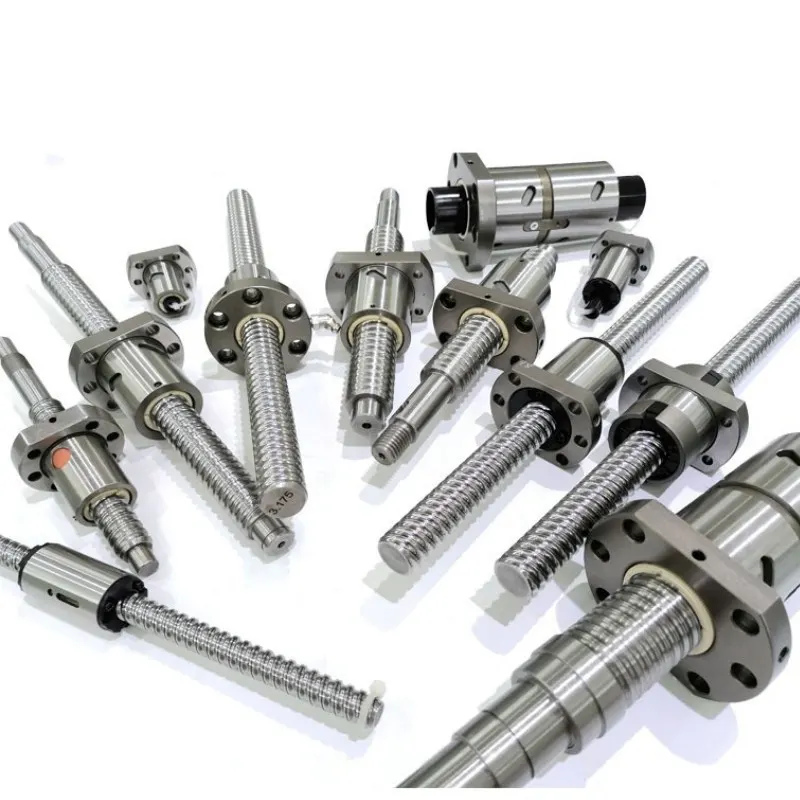
Ball Screw Unit Distributor Buying Guide
Choose fast-moving ball screw sizes, order bars or cut lengths, and state quantity, labels, packing, and lead time.
Send stock request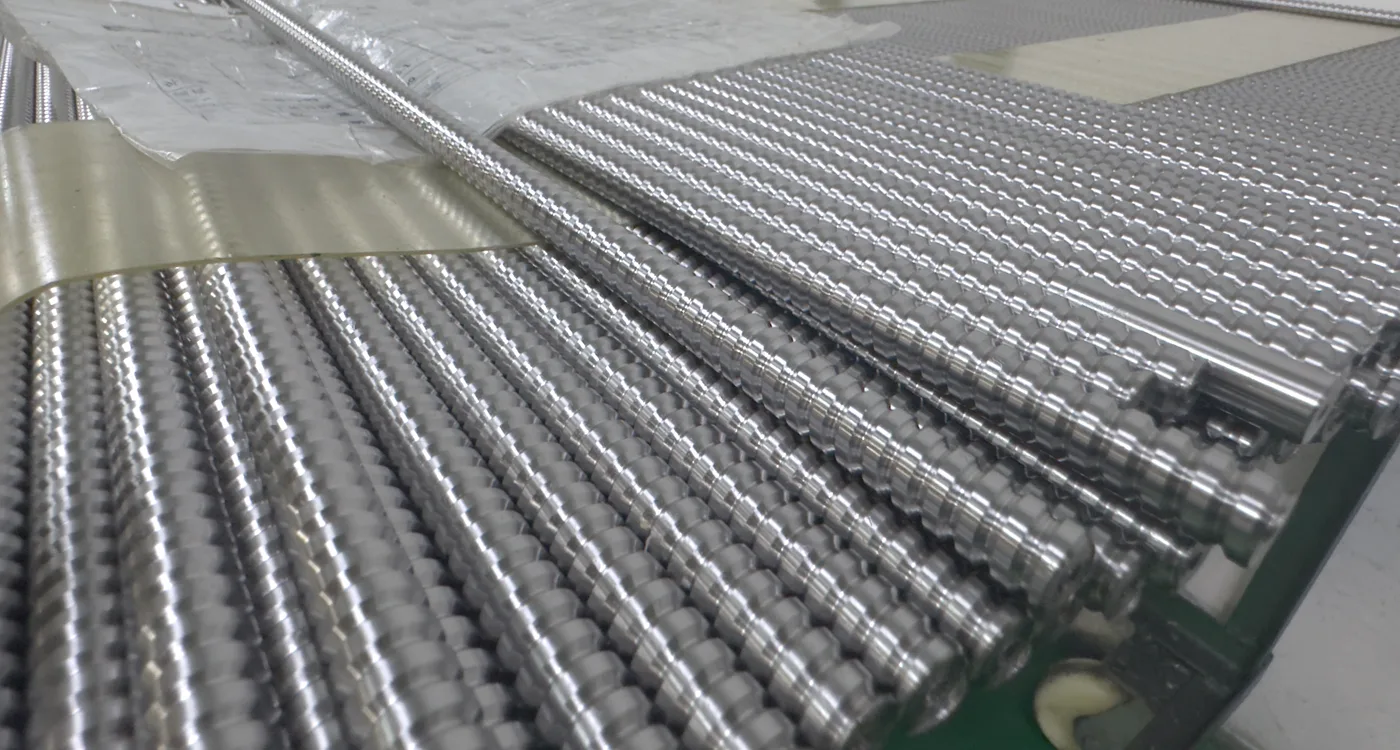
How Distributors Choose Common Ball Screw Models for Stock
Choose stock models by local demand, first-batch quantity, and replenishment rhythm, not unit price alone.
Send stock model list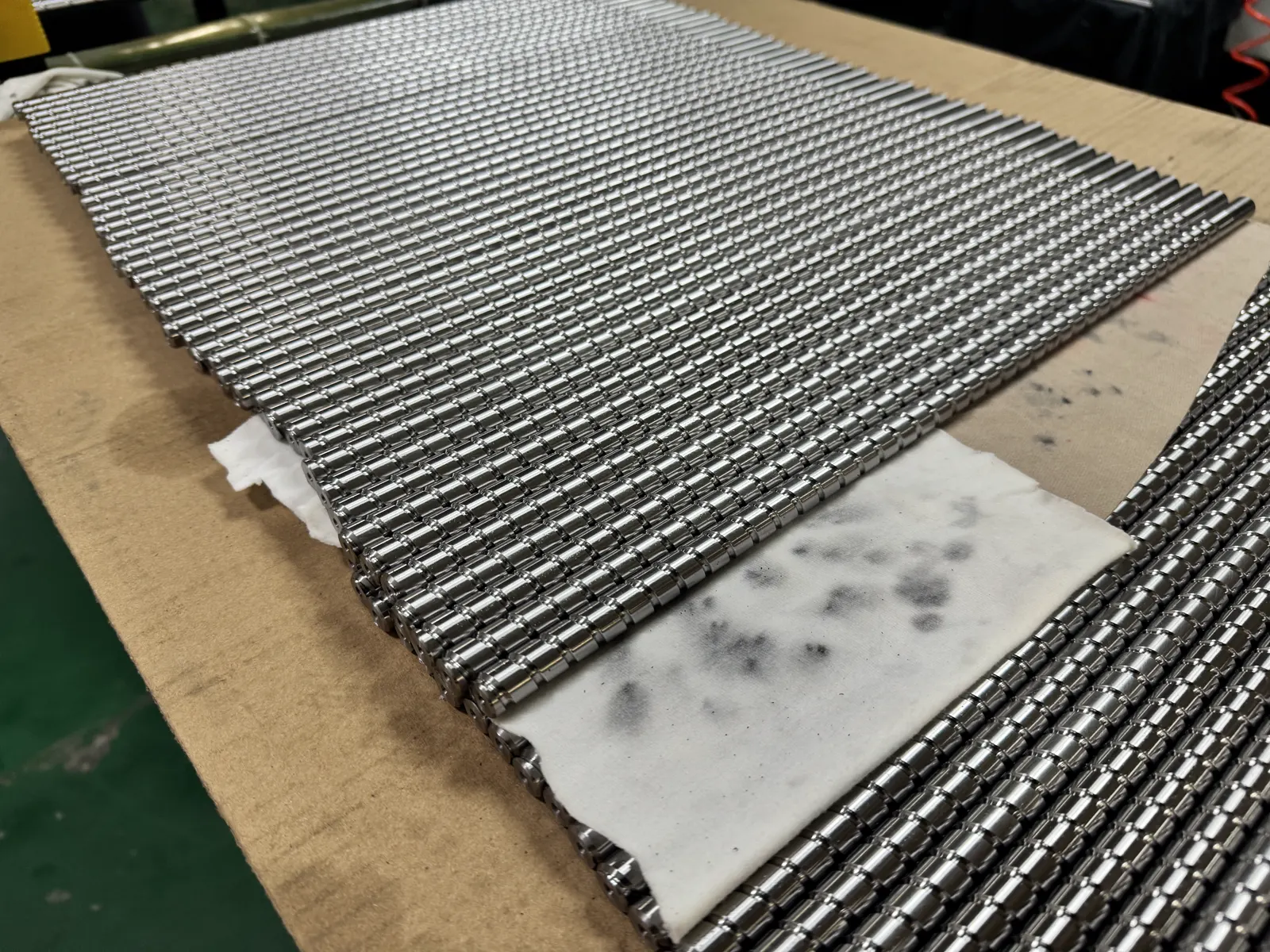
How to Order Ball Screws for Distributor Stock
State the model, length, nut, packing, and batch plan in a distributor RFQ.
Send distributor purchase list