Illustrative scenario
An overseas distributor planned to build common ball screw stock. The goal was not to buy one screw, but to prepare repeat batches of 1605, 1610, 2005, 2510, and similar models for local repair, small CNC, and automation customers.
The hard part is not placing the order but the number of model-and-length combinations: models, lengths and whether a nut ships with the screw multiply quickly, and the result is a warehouse holding specifications nobody asks for.
Purchasing issue
If the RFQ only lists model and quantity, the supplier cannot tell whether the buyer needs full bars, cut lengths, screw-and-nut assemblies, or distributor stock with labels and neutral packing. Warehouse sorting, local sales, and repeat orders can all be affected.
Three concrete consequences: stock without nuts means re-ordering nuts when a customer wants a complete set; an unsettled length basis (overall length versus thread length) breaks down at warehouse sorting; and missing label fields leave the local customer unable to check the batch.
Confirmation checklist
- Target models, diameter, lead, and common lengths.
- Full bars, cut lengths, or screws shipped with nuts.
- First batch quantity and expected replenishment rhythm for each model.
- Neutral labels, buyer labels, carton marks, and batch information.
- Shipment photos, packing photos, and packing list requirements.
Bar stock is kept in 4-6 m lengths depending on the model; cut lengths follow the common assembly lengths in the local market. Fix the length basis from the start: use finished overall length throughout the list, and give thread length in its own column if it is needed, so the two cannot drift apart.
Handling approach
Before quotation, fix the model range and label rules first, then confirm packing according to the first batch quantity and replenishment plan. For distributor buyers, labels should show model, length, nut quantity, and batch. Long parts also need rust prevention, support, and clear outer-box identification.
The reorder point can be worked back with one simple rule: safety stock ≈ expected consumption over the replenishment period + a safety margin. If the local market uses 20 pieces a month and replenishment takes 3-7 days, the first batch and the reorder point should cover that period plus a margin for variation, not a round number chosen by feel. Standard parts ship in about 3-7 days depending on machining volume and difficulty, and that figure directly sets the reorder point.
What to prepare before RFQ
A distributor RFQ should put target market, fast-moving models, bar length, nut combinations, label fields, packing method, and first batch quantity into one list. This lets the supplier judge the standard-part, full-bar, cut-to-length, and packing route early. See how to order ball screws for distributor stock.
Specifications that need machining to a drawing, or a ground C5, run about 35-60 days depending on model and quantity, so they belong in the replenishment plan early rather than being ordered when stock runs out.
Public Alibaba.com profile
The public Alibaba.com profile for Zhejiang Weimute Technology Co., Ltd. lists the supplier as Manufacturer / Trading Company, with Ball Screw, Linear Guide, Linear Module, Ball Screw Support, and Linear Bearing in the product range. OEM / ODM and Buyer Label requests can be discussed. The official website RFQ path and Alibaba.com profile should keep the company entity, product range, and contact details consistent.
FAQ
How do I set the first batch quantity? Work back from expected consumption over the replenishment period plus a safety margin. Stock one or two replenishment cycles first, then adjust to real sales instead of covering every specification at once.
What fields should a label carry at minimum? Model, diameter × lead, length, nut quantity and batch; add your own local SKU code so sorting and arrival checks work.
Bars or finished stock? With a lathe and end-machining capability locally, bars are more flexible. One 4-6 m bar covers several overall lengths. Selling straight to end users without further machining, finished cut lengths save the handling.
Next step
Turn this guide into an RFQ
When the specification direction is clear, send the details below together with quantity, lead time, and packing requirements.
Include these details
- Common models for the target market, bar length, nut pairing, and first-batch quantity.
- Neutral packing, labels, carton marks, batch information, and shipment photo requests.
- Repeat purchasing rhythm and whether cutting or end machining may be added later.
Category
Related Technical Guides
Continue with similar buyer questions
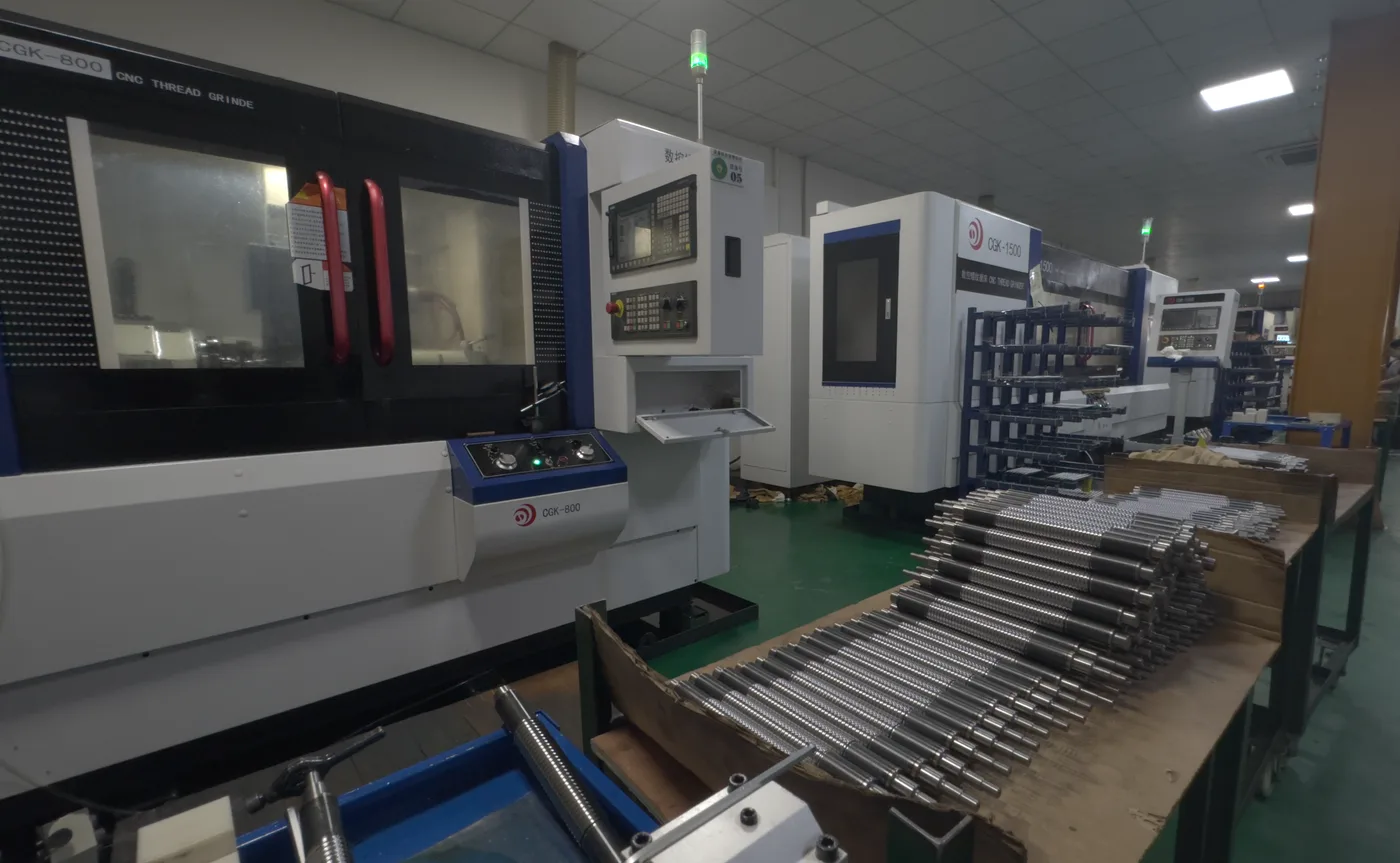
How to Order Ball Screws for Distributor Stock
State the model, length, nut, packing, and batch plan in a distributor RFQ.
Send distributor purchase list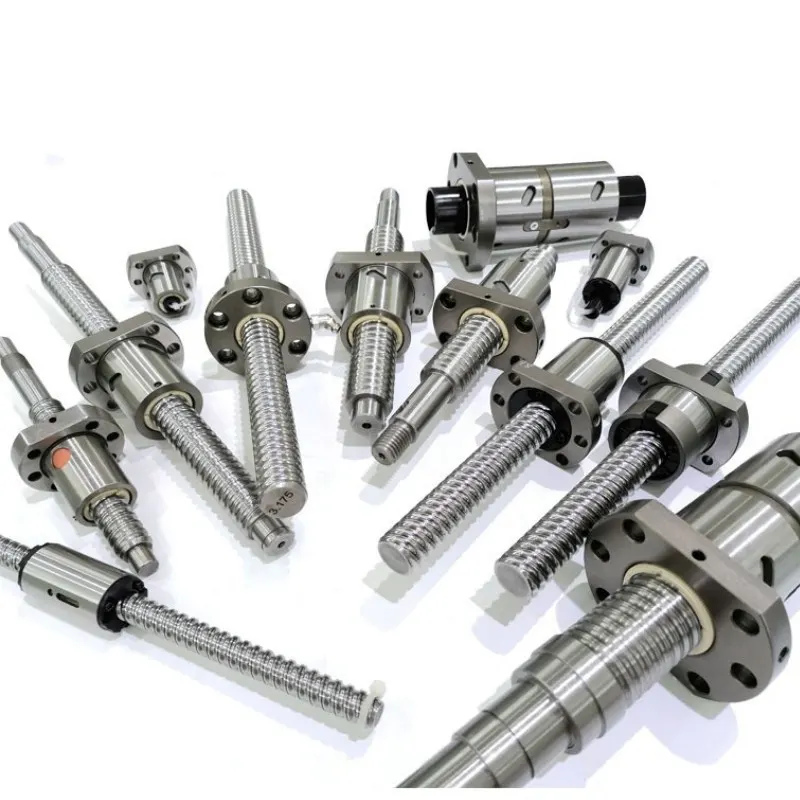
Ball Screw Unit Distributor Buying Guide
Choose fast-moving ball screw sizes, order bars or cut lengths, and state quantity, labels, packing, and lead time.
Send stock request
Ball Screw Supplier Checklist for Distributors
Evaluate stock coverage, labels, lead-time ranges, quality criteria, and drawing communication alongside price.
Send distributor cooperation needs