Find where the backlash comes from first
Backlash in a ball screw assembly does not always come only from the nut. Bearing preload, support installation, coupling looseness, end machining dimensions, guide clearance, and control compensation can all affect reverse positioning.
Rather than guessing, measure it in sections. Indicate the screw end, the nut housing, and the table in turn with a dial gauge, push each by hand in both directions, and read the difference each time:
| Indicating point | A large reading means | Where to work |
|---|---|---|
| Table | Guideway or assembly | Check guide clearance, block preload, mounting rigidity |
| Nut housing | Nut clearance or wear | Fit a low-backlash or preloaded nut, or adjust preload |
| Screw end | Bearing preload, support unit, coupling | Check the lock nut, bearing arrangement, coupling tightness |
| All three small but positioning still poor | Control compensation or thermal growth | Recalibrate and check temperature rise |
The gauge resolution sets how small a difference you can see: a 0.01 mm gauge resolves differences at that order, which is enough to sort the source. Once this is done, the fix is usually already decided.
Nut backlash is only one part
If the nut is worn or originally has normal clearance, changing to a low-backlash or preloaded nut may help. But if bearings or coupling are loose, replacing the nut alone may not solve the issue.
Nut preload is built two common ways: a double nut adjusted by shims or a threaded collar, or a single nut with an offset lead that is preloaded at manufacture. The first can be adjusted on site, the second cannot, so identify which arrangement you have before ordering. For what preload means and when it helps, see ball screw nut preload explained.
Bearing preload and mounting rigidity are often overlooked
The fixed side usually carries a pair of angular contact bearings, with preload set by the lock nut: too loose and the screw moves axially, too tight and it runs hot. Support unit fixing to the frame and guide-to-screw parallelism also eat the accuracy margin. None of it comes back by changing the screw. For how grade relates to clearance, see C5 vs C7.
Keep old-part information for repair
For repair projects, record the old part model, end dimensions, support model, failure symptom, and measurement method. The supplier can judge whether to copy the old part, upgrade the nut, or adjust end machining. For how to measure a replacement screw, see how to measure a replacement ball screw.
- Describe which axis and direction has backlash.
- Send photos of the screw, nut, support unit, and coupling.
- Record reverse positioning error or manual shaking condition.
- Confirm whether low-backlash or preloaded nut is acceptable.
FAQ
If there is backlash, should I directly change to a preloaded nut? Not always. If backlash comes from bearings, support units, coupling, or mounting rigidity, replacing only the nut may have limited effect. Locate the source with the gauge sections above first.
Can control compensation replace mechanical repair? No. Backlash compensation only covers a small amount, and the clearance itself keeps changing as parts wear; without fixing the mechanical source, compensation just hides the error.
Is more preload always better? No. Preload raises stiffness but also friction, heat and wear. Choose the preload level for the positioning requirement, and on a replacement copy the original design first.
Next step
Turn this guide into an RFQ
When the specification direction is clear, send the details below together with quantity, lead time, and packing requirements.
Include these details
- Old-part overall length, thread length, diameter, lead, and nut style.
- Full old-part photos, both end details, nut flange, and mounting-hole photos.
- Machine use, whether it is a like-for-like replacement, quantity, and lead time.
Category
Related Technical Guides
Continue with similar buyer questions
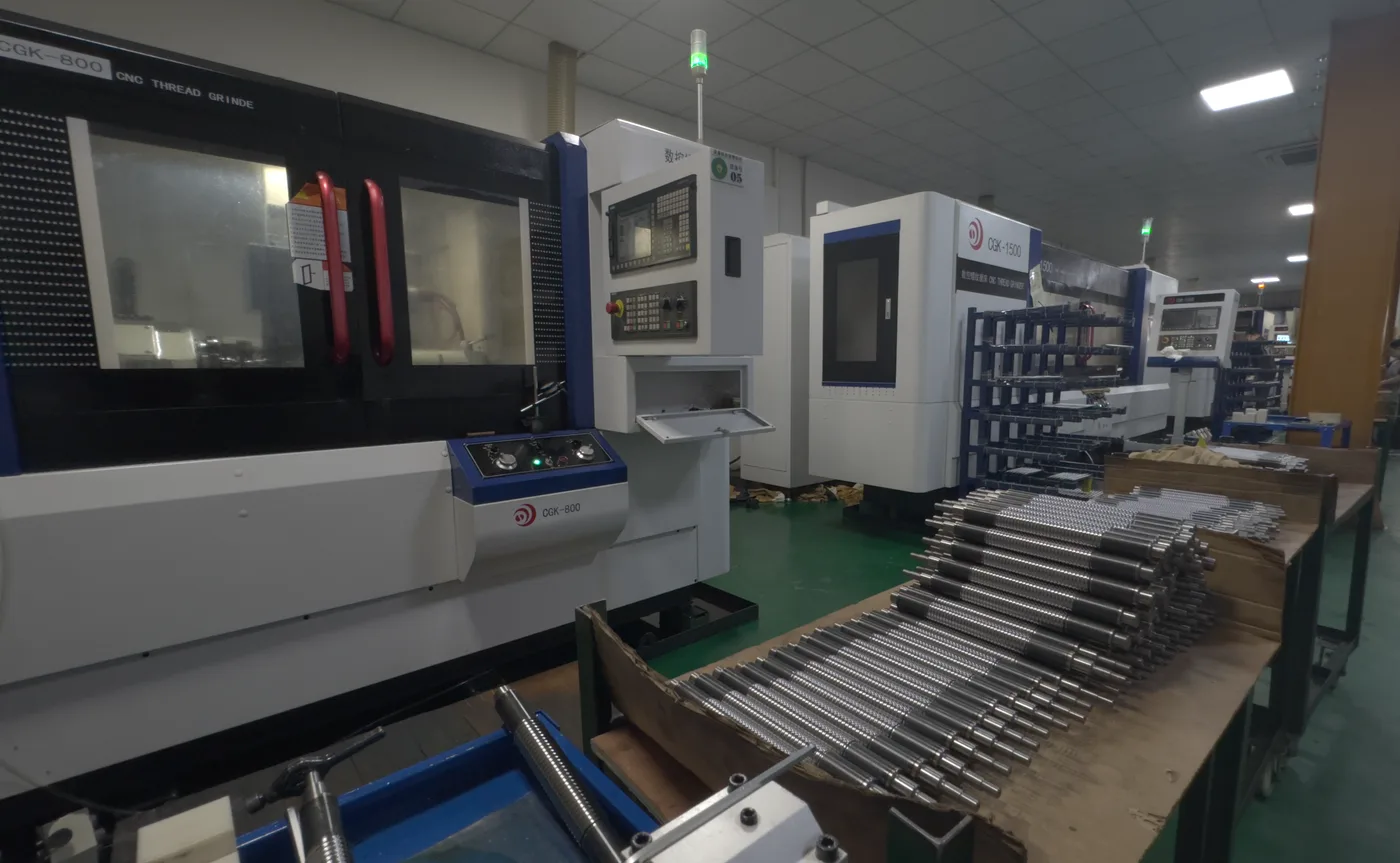
How to Measure a Replacement Ball Screw: 6 Dimensions
Record diameter, lead, overall length, travel, and end steps before sending old-part photos or samples.
Send replacement dimensions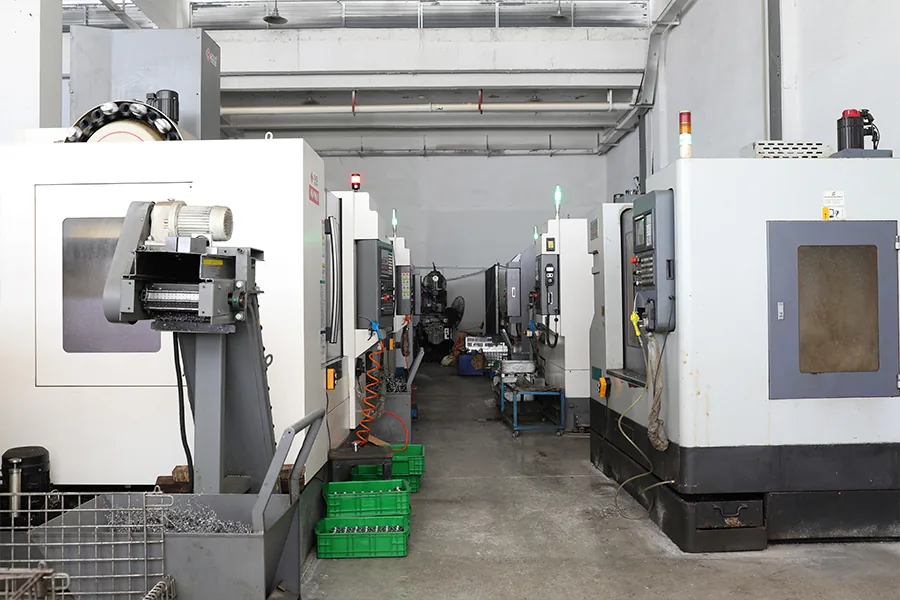
Ball Screw Replacement for Woodworking CNC Machines
A repair checklist for woodworking CNC buyers before replacing ball screws.
Send woodworking CNC replacement details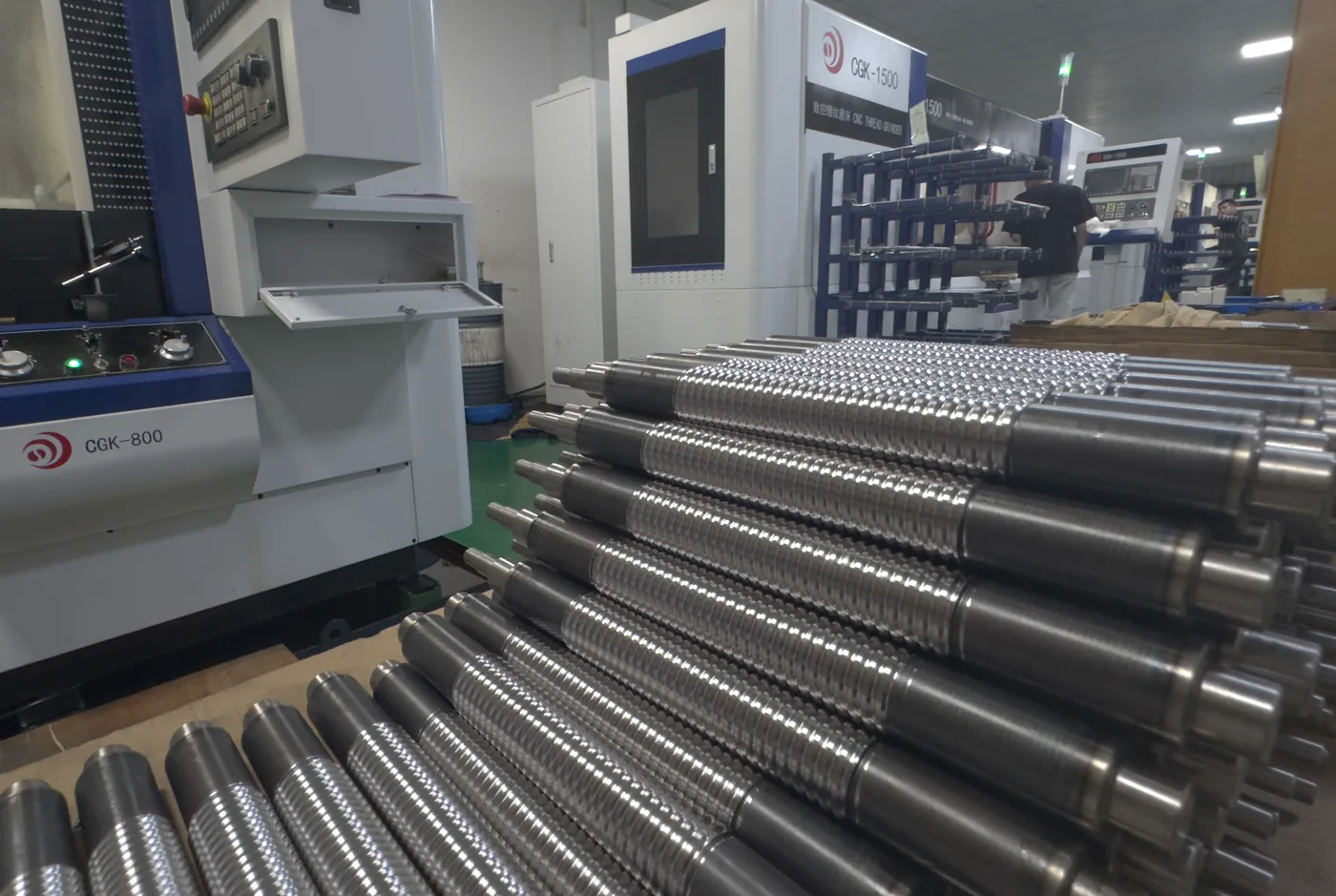
How to Prepare a Ball Screw RFQ When You Only Have Old Part Photos
Old-part photos can start the RFQ, but they must be paired with key dimensions and installation details so quotation is not guesswork.
Send old-part photo RFQ