Replacement
How to Measure a Replacement Ball Screw: 6 Dimensions
Record diameter, lead, overall length, travel, and end steps before sending old-part photos or samples.
Send replacement dimensionsGuide categories
Check the old-part dimensions, installation details, and purchasing information needed for a replacement order.
Overall length is the first number most buyers send, and the one that creates false confidence. A replacement that measures the same end to end can still fail to go in. Journal positions, thread section length, bearing shoulders, locknut seats, and coupling ends all have to line up. If any one of them is different, the part will not seat.
Set the overall length aside and work in order: diameter, lead, thread length, working travel, then every step at both ends, diameter and length recorded separately. Those measurements decide whether this is a standard part that can be ordered directly or a near-standard part that has to be machined to a drawing.
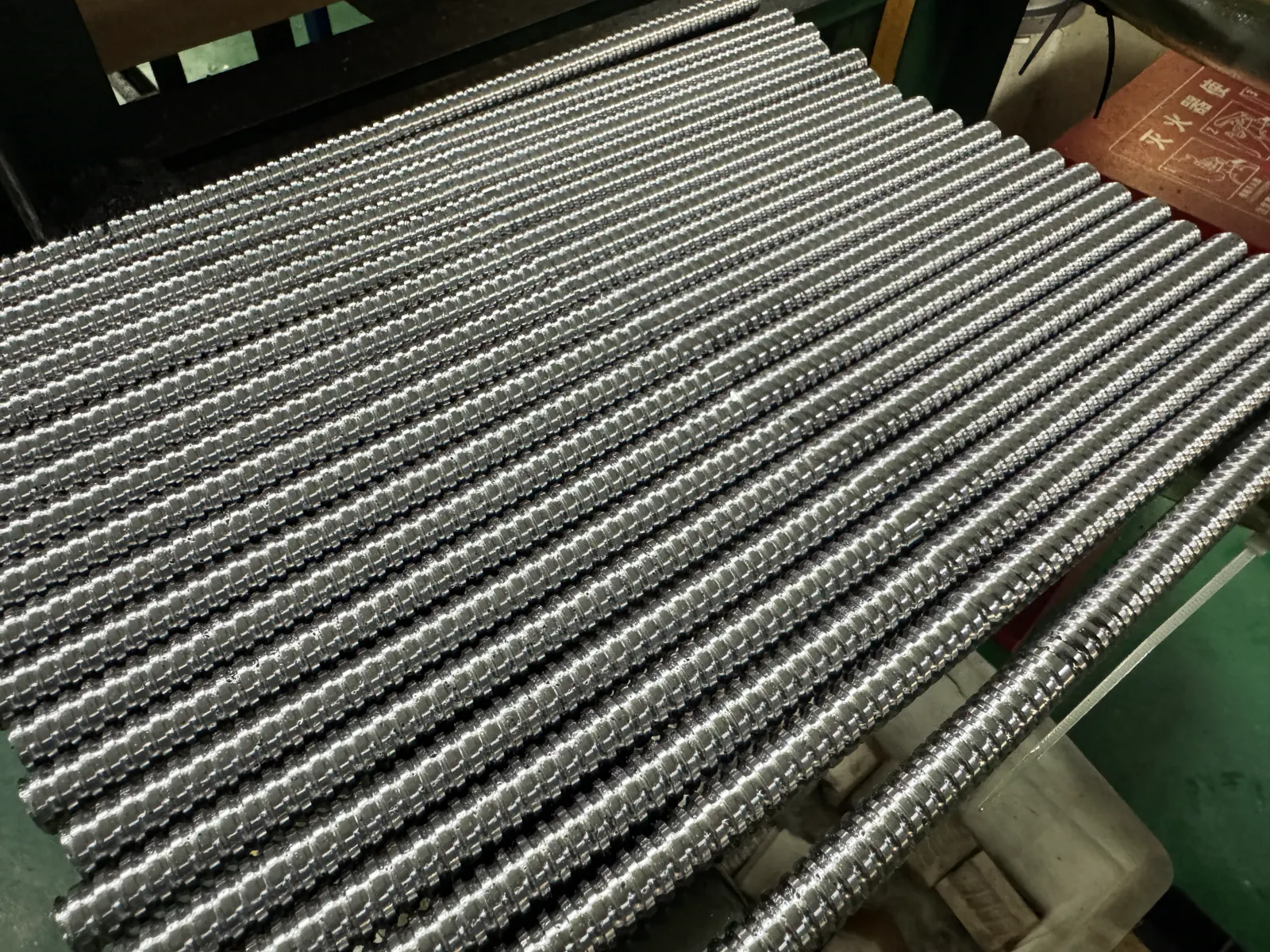
Photos make the dimensional relationships readable. They do not replace measurement. Shoot the whole screw, then each end, then the critical dimensions with a ruler or caliper in frame so the scale is visible. Add separate shots of the nut body, the flange bolt pattern, and the mounting hole spacing. Keep the light even and the camera square to the surface.
If the original drawing still exists, replace against the drawing. That is the shortest route. A drawing is the only reference that covers all the dimensional relationships at once; photos and bench measurements confirm it. When the drawing is missing, the old part is worn, or either end has been modified, have a replacement drawing produced from the measured dimensions and confirm it before anything moves forward. If the old-part information is incomplete, start with the fixed features you can read without dismantling the machine: nut style, flange hole spacing, mounting hole positions. Mark what you measured and what you estimated, then describe the machine, the space around the screw, and how much change is acceptable. That is enough for a supplier to say whether a near-standard option works or the part has to be made to a drawing.
Record diameter, lead, overall length, travel, and end steps before sending old-part photos or samples.
Send replacement dimensions
Old-part photos can start the RFQ, but they must be paired with key dimensions and installation details so quotation is not guesswork.
Send old-part photo RFQ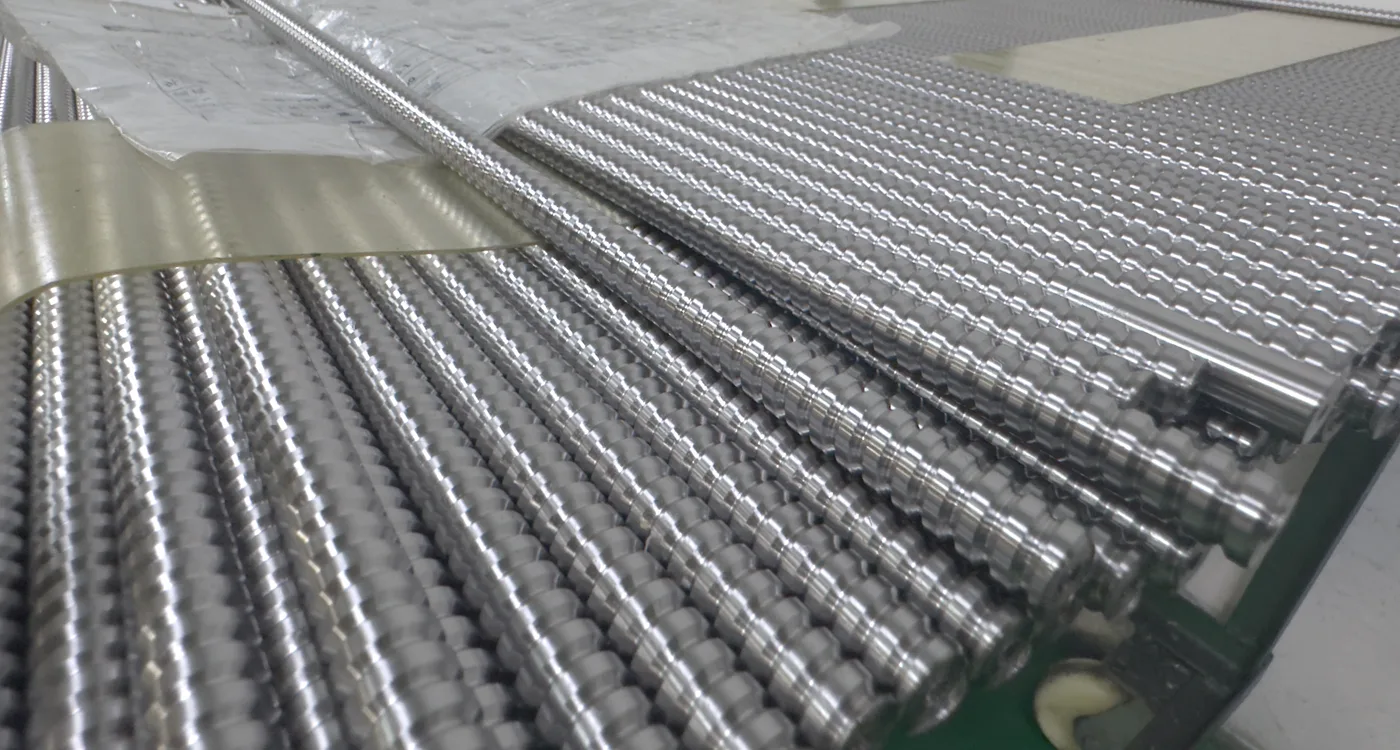
Overall length is only one dimension. Thread length, end machining, and installation positions decide whether the replacement fits.
Send replacement installation dimensions
A UK buyer's guide to measuring, quoting, and receiving replacement CNC ball screws.
Send old part details
Record hole distance, hole direction, center height, and nut housing space alongside nut and flange photos.
Send nut flange photos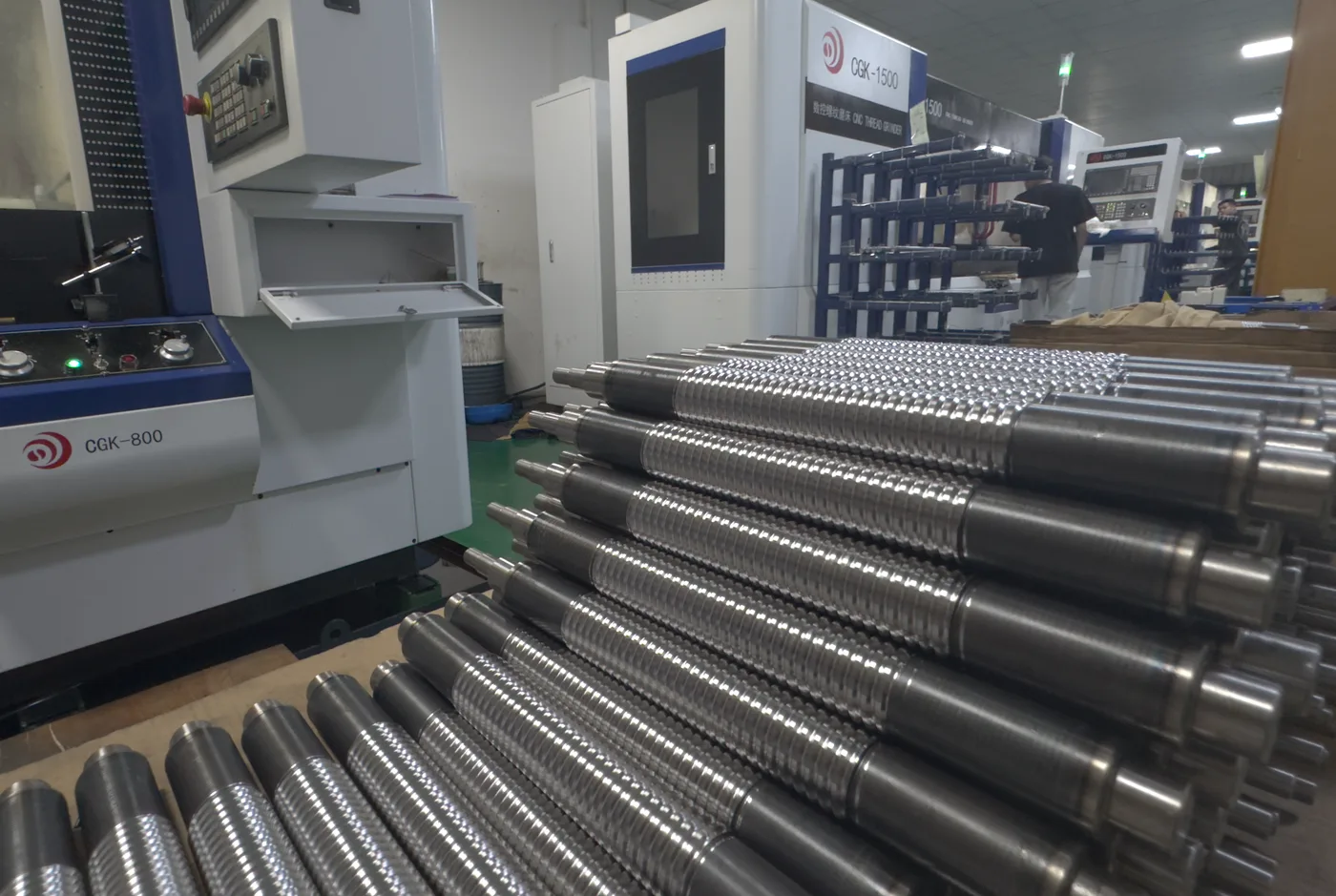
Use a dial gauge to locate backlash at the nut, bearing preload, support unit, coupling, guide, or installation.
Send backlash issue details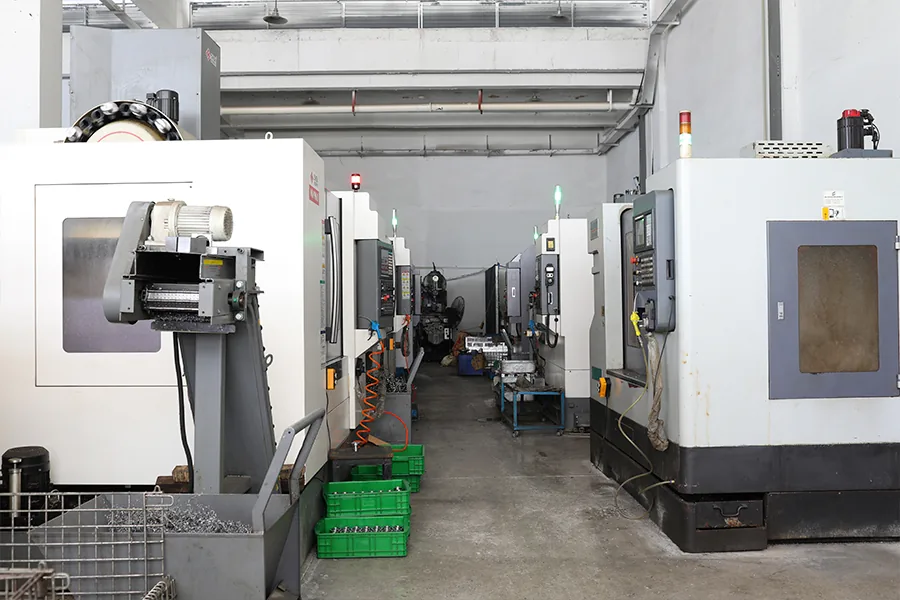
A repair checklist for woodworking CNC buyers before replacing ball screws.
Send woodworking CNC replacement details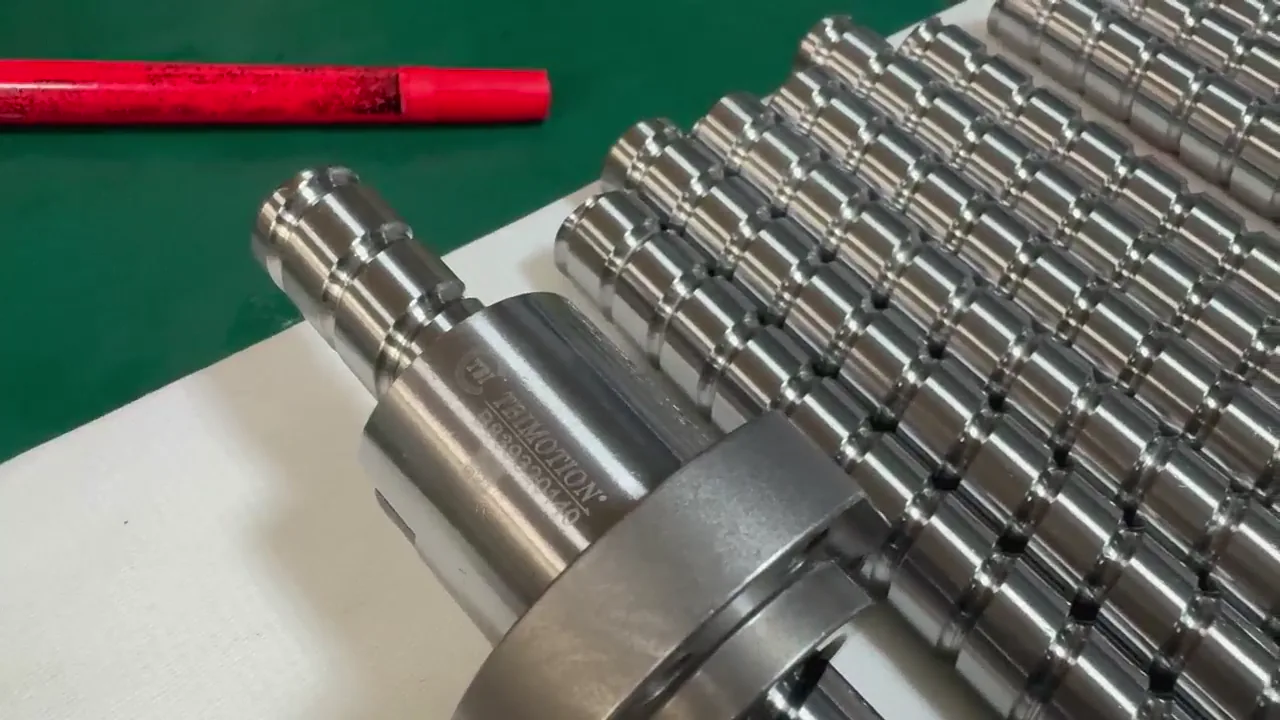
CNC repair replacement should not be ordered by model number alone because axis, travel, end machining, and old part photos affect installation fit.
Send CNC repair replacement details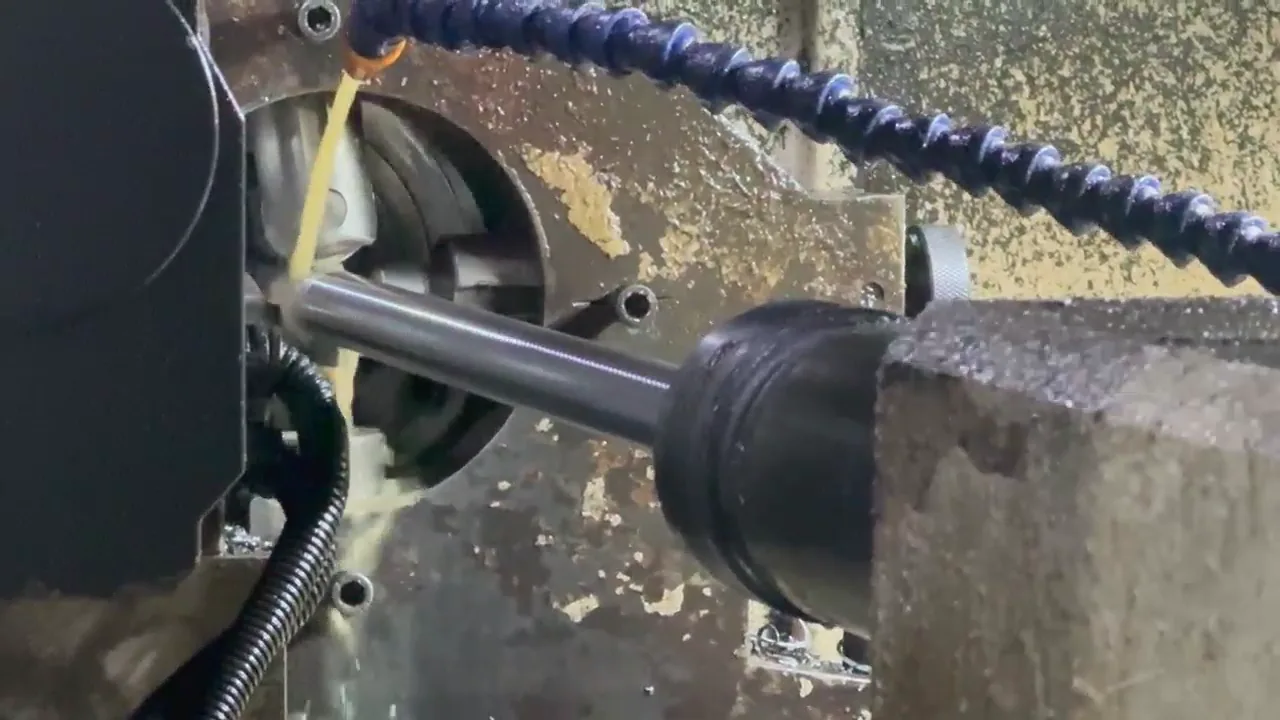
Shows why old-part photos need dimensions and application context, not only a model number.
Send old-part dimensionsGuide categories
Send the model, length, quantity, application, or old-part photos. We will review the specification against the actual machine and use case.
The more complete the file, the fewer rounds it takes. Incomplete information can still be sent; just mark what is measured and what is estimated.
FAQ
These three decide whether a replacement inquiry goes through in one pass.
Because assembly is set by several dimensions at once. If the position or length of an end step, the start of the thread section, a bearing shoulder, or the coupling end differs, the nut or the support unit will not seat. Overall length describes the outline, not the fit.
Full length, then each end, then the key dimensions with a ruler or caliper in frame. Add separate shots of the nut body, the flange bolt pattern, and the mounting hole spacing. Readable dimensional relationships matter more than the number of photos.
Record the fixed features you can read without dismantling the machine: nut style, flange hole spacing, and mounting hole positions. Measure what is reachable, mark each number clearly, and describe the application plus how much change is acceptable, so the supplier can say what is still missing.
+8615268772262
Leave your question or requirement and we will continue in WhatsApp.
Continue in WhatsApp