Illustrative scenario
A repair buyer needed to replace an old ball screw installed on a machine. There was no complete drawing, only model marks and site photos. Photos help identify the nut, ends, and mounting style, but they cannot replace key dimensions. A size guessed from a photo gives nothing to check tolerances and step positions against.
One question comes first: whether this replacement keeps the original design or also changes the support units and coupling. The two paths differ: with the structure unchanged, copy the old part; with the structure changed, produce a new drawing before quoting.
Replacement risk
The most common replacement mistakes happen around journals, shoulders, lock threads, keyways, retaining grooves, and nut flange direction. Quoting only by diameter and lead can produce a screw with the right thread but the wrong installation fit. Three typical failures:
- Wrong end steps: a journal diameter or bearing seat length slightly off means the support unit will not fit, or the bearing cannot reach its shoulder.
- Mismatched locking: the lock thread form does not match the lock nut, so bearing preload cannot be established.
- Wrong flange direction or hole spacing: if the nut flange spacing, direction or nut length differs from the old part, it hits the frame or will not seat.
One relationship is often missed: end machining does not change the overall length, and the thread length has to cover travel plus the nut body, with a small margin at each end. Ordering from the old overall length without stating thread length is how a short travel is discovered at assembly.
Confirmation checklist
- Full-length photo, both end photos, and front and side photos of the nut.
- Overall length, thread length, end lengths, bearing-seat dimensions, and shoulder dimensions.
- Nut style, flange direction, mounting hole quantity, and hole spacing.
- Machine model, axis position, support unit model, coupling, or installation space.
- Whether to copy the old ends or machine new ends from a new drawing or support unit.
Record each step in order from the end face towards the thread, using calipers or a micrometer for diameters and a depth gauge for step lengths. Every item should say what it does: which step is the bearing seat, which is the lock thread. A list of diameters alone carries no information. The full recording method is in how to measure end machining dimensions.
Handling approach
Use old-part photos to understand the structure first, then use measured dimensions to confirm the machining boundary. If the old ends are still a reliable sample, state that the supplier should copy the old ends. If the support unit, coupling, or installation space has changed, confirm a drawing again before quotation.
Without a drawing, the lead can be measured: mark the shaft, turn the nut ten revolutions and divide the travel by ten to get the travel per revolution. Overall length and thread length can be taken with a tape. Replacement parts are usually rolled C7, which ships in about 3-7 days depending on the machining volume and difficulty; a ground part made from a drawing runs about 35-60 days depending on model and quantity.
What to prepare before RFQ
Before sending an RFQ, put old-part photos, key dimensions, machine use, and installation limits in the same file or message. Unknown dimensions can be marked as pending. We can propose a route from the pending items, but the quotation will carry conditions. Do not send only one model number or unclear photos. When only old part photos are available, see how to prepare a ball screw RFQ with only old part photos.
Old-part photos
Old-part photos should cover the full screw, both ends, nut, flange, mounting holes, marking text, coupling side, and bearing support side. Photos should be used together with a dimension table to reduce end-machining and installation-fit risk. Keep the photo order the same as the dimension list: full screw, both ends, nut, then step-by-step close-ups, so the two can be matched without confusion.
FAQ
Can you quote from photos alone? We can propose a route and give a conditional price, not a firm one. When key dimensions are missing, the quotation is marked subject to dimension confirmation.
How do I measure the lead? Mark the shaft, turn the nut ten revolutions, and divide the travel by ten. More revolutions spread the error thinner; exclude axial clearance from the measurement.
Should the ends copy the old part? As long as the support unit, coupling and installation space are unchanged, copying the old ends is the safest route. If any of the three changes, produce a drawing for the new arrangement before machining.
Next step
Turn this guide into an RFQ
When the specification direction is clear, send the details below together with quantity, lead time, and packing requirements.
Include these details
- Old-part overall length, thread length, diameter, lead, and nut style.
- Full old-part photos, both end details, nut flange, and mounting-hole photos.
- Machine use, whether it is a like-for-like replacement, quantity, and lead time.
Category
Related Technical Guides
Continue with similar buyer questions
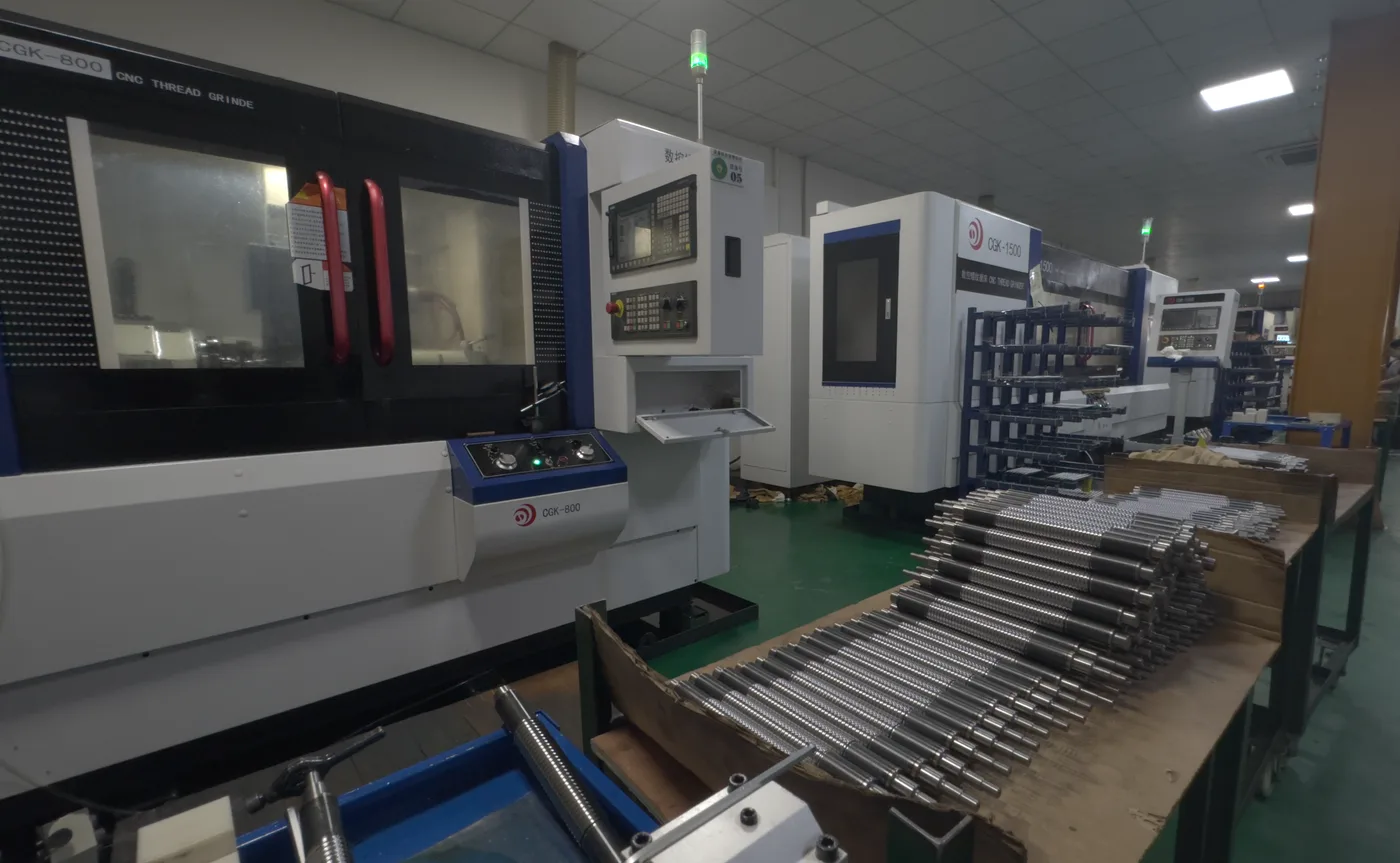
How to Prepare a Ball Screw RFQ When You Only Have Old Part Photos
Old-part photos can start the RFQ, but they must be paired with key dimensions and installation details so quotation is not guesswork.
Send old-part photo RFQ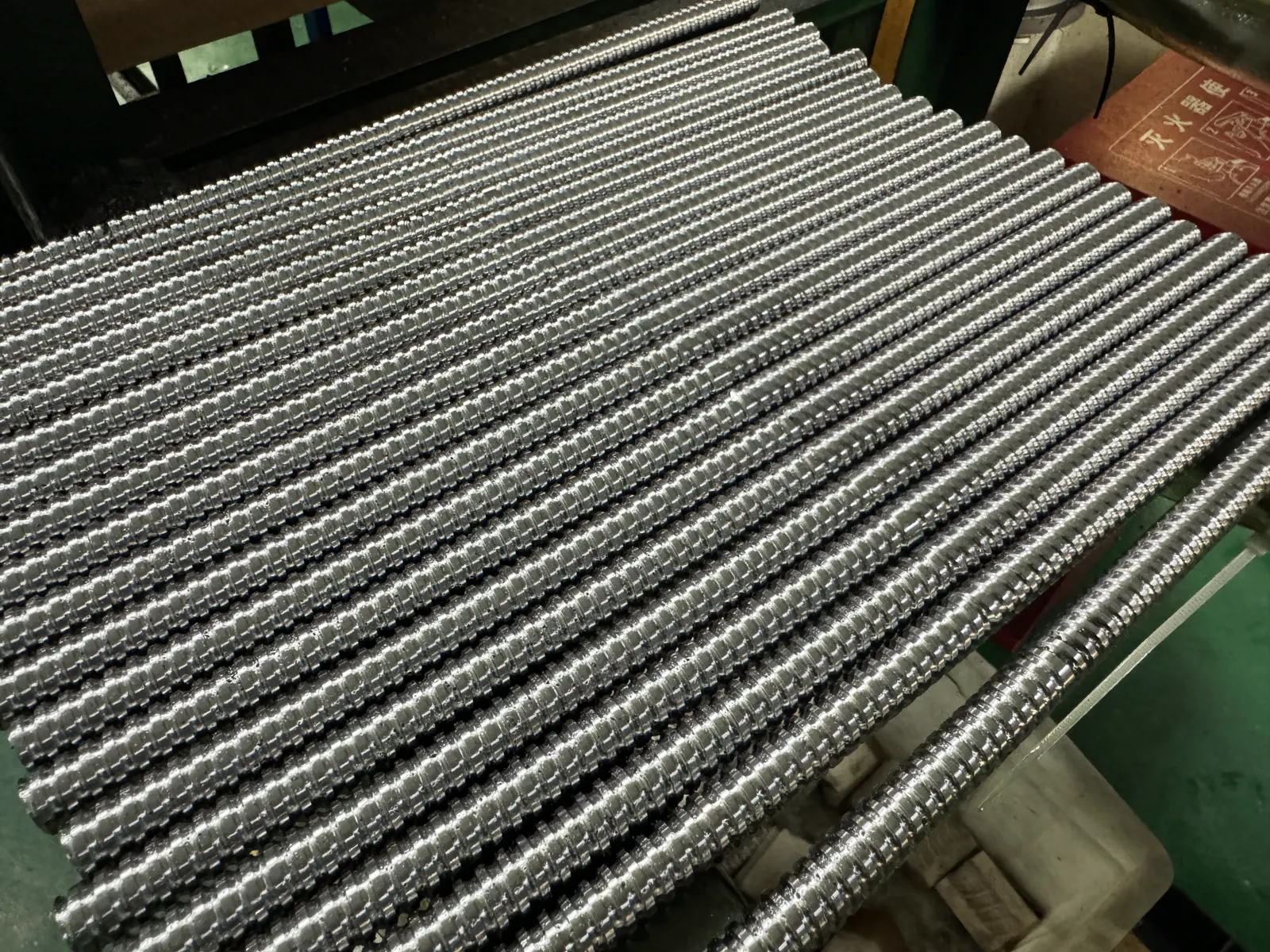
How to Measure a Replacement Ball Screw: 6 Dimensions
Record diameter, lead, overall length, travel, and end steps before sending old-part photos or samples.
Send replacement dimensions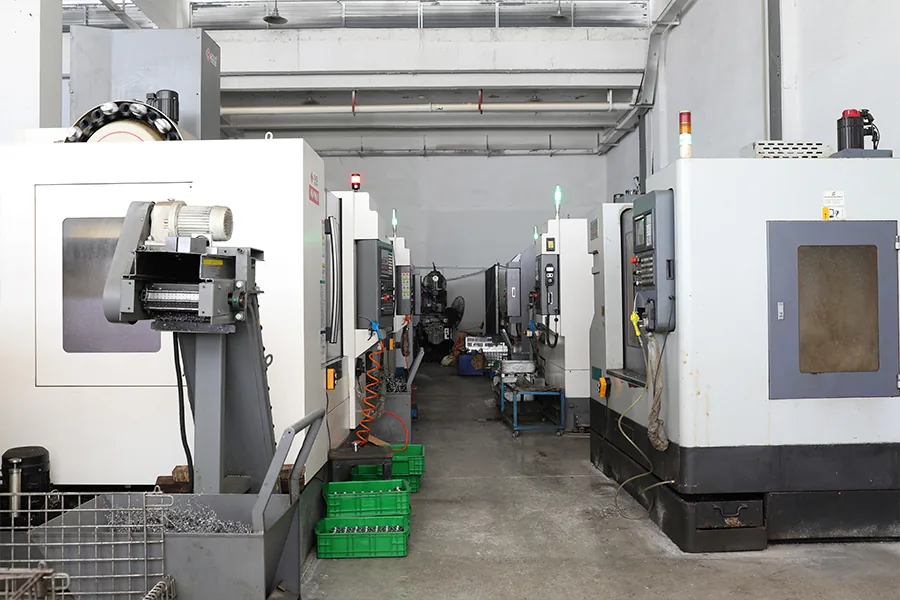
What to Confirm Before Replacing a Ball Screw in CNC Repair
CNC repair replacement should not be ordered by model number alone because axis, travel, end machining, and old part photos affect installation fit.
Send CNC repair replacement details