More preload is not always better
Preload reduces axial play between the screw and nut and improves rigidity and repeatability. But higher preload can increase friction, heat, and drive load, so it should follow the application instead of being set as tight as possible.
The mechanism is easy to picture: preload keeps the balls pressed against the raceway, so reversing has no lost motion. But the balls are pressed tighter, which raises friction torque and running temperature, and ball screw life falls as load rises. Preload trades service life for rigidity.
Preload is normally banded by dynamic load rating
| Preload band | Common order (% of dynamic load Ca) | Character | Best fit |
|---|---|---|---|
| Light | Around 2% | Low friction, low heat | General positioning, speed-biased axes |
| Medium | Around 5% | Balanced rigidity and heat | Most axes needing repeat positioning |
| Heavy | Around 8% | Highest rigidity, most heat and wear | High-stiffness positioning, frequent reversing |
Exact figures follow the manufacturer's table and the nut structure, which differ in what each arrangement can achieve. Stating the target band or the axial clearance requirement in the RFQ is far more useful than writing "preloaded".
When low backlash or preload is useful
Machines with frequent reversing, repeatability requirements, higher rigidity, or low lost motion can consider low-backlash or preloaded nuts. Simple adjustment axes, packing machinery, and distributor stock often start by checking whether a standard nut is enough.
Preload affects quotation and lead time
Clear preload requirements may require confirmation of nut structure, inspection method, and assembly condition. For standard rolled screws, excessive preload may be uneconomical or require a higher accuracy solution. For the accuracy difference between rolled and ground screws, see rolled vs ground ball screws.
Match preload to the operating condition
| Goal | Requirement to establish | Confirm |
|---|---|---|
| Repair replacement and low resistance | Allowable backlash and resistance | Original nut condition, torque, backlash |
| General positioning | Allowable backlash and stiffness | Load, speed, lubrication |
| High-stiffness positioning | Stiffness target and allowable torque | Heat, drive torque, life |
RFQ checklist
- State whether low backlash, preload, or a standard nut is required, and give the target band.
- Describe whether the machine reverses frequently.
- Confirm load, speed, travel, and mounting direction.
- If replacing, send nut photos and old-part backlash condition.
- State the maximum axial clearance (for example within 0.01 mm) and how it is accepted.
FAQ
Can preload remove all backlash? No. Preload removes clearance inside the nut; errors from the support unit, bearing preload, coupling and mounting rigidity have to be dealt with separately.
How do I know the preload is right? Watch two things: the reverse-positioning difference (measure it with the gauge method in how to reduce backlash in a ball screw assembly) and running temperature. Clearance within spec but temperature too high means the preload is probably overdone.
Does preload affect lead time? Yes. Standard rolled parts at conventional preload ship in about 3-7 days; a specific preload band or a ground part runs about 35-60 days depending on model and quantity.
Next step
Turn this guide into an RFQ
When the specification direction is clear, send the details below together with quantity, lead time, and packing requirements.
Include these details
- Model, diameter, lead, accuracy grade, or target application.
- Load, speed, travel, mounting method, and matching rail or support-unit needs.
- Quantity, lead time, packing, and whether inspection records or shipment photos are needed.
Category
Related Technical Guides
Continue with similar buyer questions
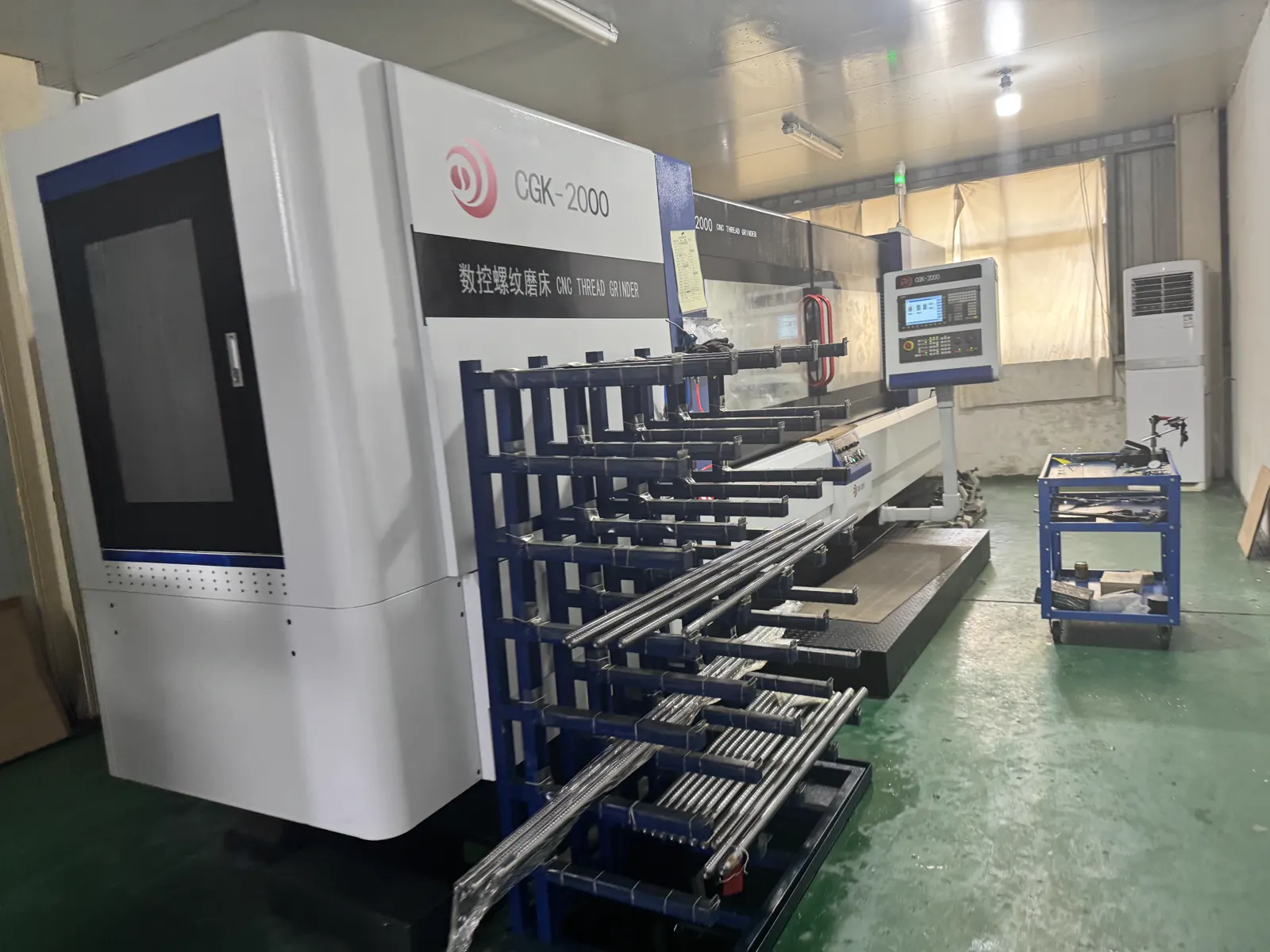
Rolled vs Ground Ball Screw: Differences and How to Choose
Choose rolled or ground by the machine accuracy requirement, then compare cost, lead time, preload, and the RFQ details that affect the assembly.
Send accuracy and application requirements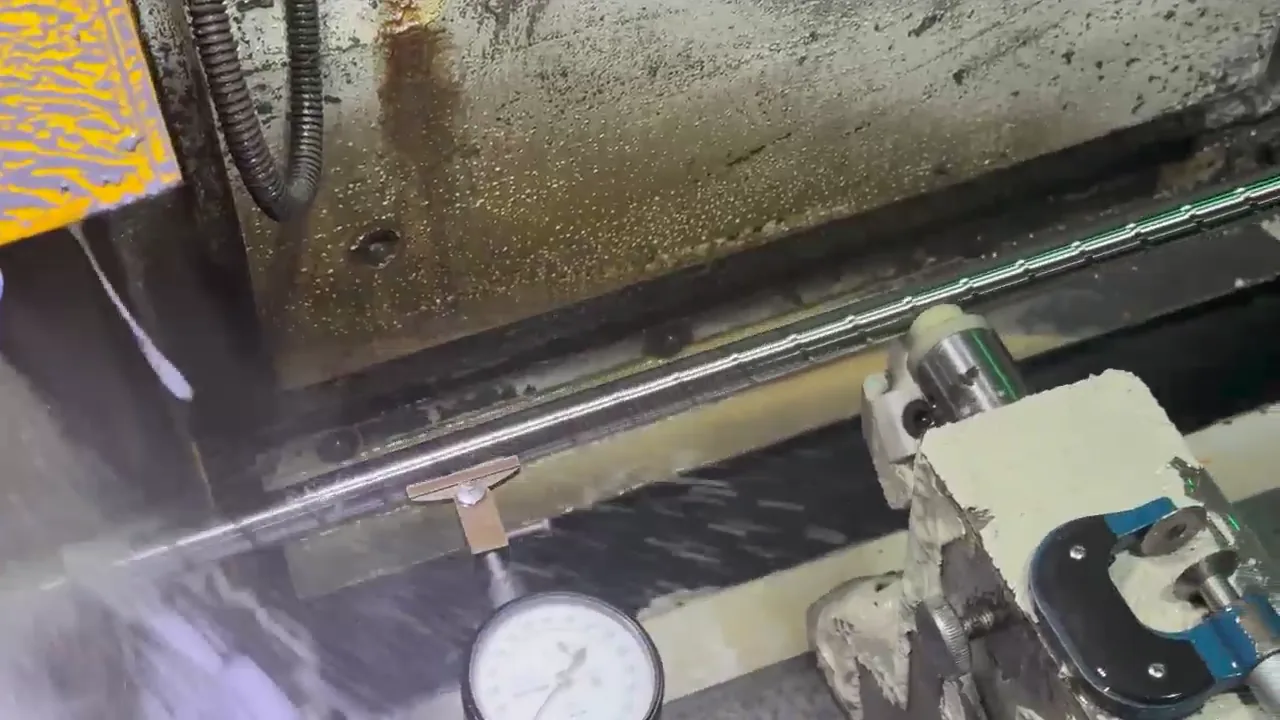
Laser Cutting Machine Ball Screw: Speed and Accuracy RFQ
Laser cutting machine ball screw selection should balance speed, accuracy, dust protection, and heat effect, so the RFQ should describe the application environment.
Send laser machine parameters
How to Lubricate a Ball Screw: Grease or Oil, and How Often
Choose grease or oil by speed, dust, heat, and downtime, then set the interval from the maintenance schedule.
Send operating conditions and lubrication needs