Do not send a model number alone
Ball screws in automation equipment may drive positioning, transfer, inspection, dispensing, pressing, or adjustment mechanisms. A single model number cannot show whether the screw suits the real application, so the RFQ should describe load, speed, travel and mounting method together.
A model number only states diameter and lead, while the same specification can last several times longer in one duty than another, which is why application parameters are worth more than the model.
Describe load and speed separately
Load should state horizontal or vertical direction, workpiece weight, slide weight, acceleration and whether shock is present. Speed should state maximum, normal working speed and cycle time, not one theoretical maximum.
Thrust converts directly: F = mass × acceleration. A 30 kg slide plus workpiece at 5 m/s² needs about 150 N of accelerating thrust; if the axis is vertical, add 30 × 9.81 ≈ 294 N to overcome gravity, giving roughly 444 N before a safety factor. Once that is calculated, the usable range of lead and diameter is already set.
Travel and mounting method drive diameter and lead
Travel, support span, fixed side and support side structures affect critical speed, rigidity and end machining. Mounting can be horizontal, vertical, inclined, twin-rail supported, single-end driven or double-end supported, and all of it belongs in the RFQ.
Long travel is limited mainly by rpm: critical speed falls with the square of the support span, so "run fast with a large lead" may simply not be available once the span grows.
Accuracy and life expectation set the cost boundary
Do not write "accuracy as high as possible". State positioning accuracy, repeatability, backlash or preload. Life expectation can be expressed as daily working hours, cycles, annual output or maintenance interval, which is what sizes the screw and the nut arrangement. For the grade choice, see C7 vs C5 ball screw selection.
Life is most useful as cycles or running distance: "8 hours a day, 20 cycles a minute, 5 years" works out to roughly 120 million cycles, and that figure decides whether a higher dynamic load rating or a better lubrication plan is needed.
Quantity and project stage change how a quote is built
Samples, pilot runs and batch purchases differ in quantity, lead time and packing. The RFQ should state the first batch, monthly volumes, whether spares are needed, and whether an inspection report, labels and shipment photos are required.
How to fill each parameter
| Parameter | How to write it | What it drives |
|---|---|---|
| Load | Direction + slide/workpiece weight + acceleration + shock | Diameter, lead, thrust margin |
| Speed | Maximum + normal + cycle time | Lead, motor rpm, critical speed |
| Travel | Working travel + support span | Critical speed, rigidity, end machining |
| Mounting | Horizontal/vertical/inclined, single or double end | Brake need, support structure |
| Accuracy | Positioning, repeatability, backlash or preload | Grade, preload, inspection scope |
| Life expectation | Cycles or running distance | Dynamic load rating, lubrication interval |
| Quantity and stage | Sample/pilot/batch + monthly forecast | Quoting basis, scheduling, packing |
Application decision table
| Automation condition | Parameter to send | Why it affects selection |
|---|---|---|
| High cycle equipment | Cycle time, speed, acceleration, duty | Affects lead, lubrication, and life expectation. |
| Heavy load or vertical motion | Load direction, safety factor, brake need | Affects diameter, lead, and thrust margin. |
| Compact machine layout | Mounting method, support unit, motor connection | Affects end machining and assembly fit. |
| Precision positioning | Accuracy, repeatability, backlash | Affects grade, preload, and inspection scope. |
RFQ checklist
- Automation equipment type, axis, working stroke, mounting method, and space limits.
- Load, speed, travel, acceleration, cycle time, and life expectation.
- Required accuracy, repeatability, backlash, preload, and inspection report needs.
- Support unit, motor connection, coupling, nut orientation, and end machining drawing.
- Quantity, trial sample plan, batch forecast, packing, destination, and delivery target.
Send us the automation application data
Send weimute the application parameters and any machine layout drawing. Our manufacturing and sales team will separate selection questions from manufacturing questions, then quote a practical ball screw route for samples or batch quantity.
FAQ
Can I quote automation equipment by model only? It is risky. Load, speed, travel, mounting method, accuracy, and life expectation decide whether the model is suitable. See C7 vs C5 ball screw selection for how accuracy grade affects cost.
What if the design is still changing? Send target ranges and mark uncertain points so weimute can give selection guidance before final drawing confirmation.
How should life expectation be written? In cycles or running distance, for example "8 hours a day, 20 cycles a minute, 5 years". "Durable" tells the supplier nothing, and forces a conservative quotation.
Next step
Turn this guide into an RFQ
When the specification direction is clear, send the details below together with quantity, lead time, and packing requirements.
Include these details
- Model, diameter, lead, accuracy grade, or target application.
- Load, speed, travel, mounting method, and matching rail or support-unit needs.
- Quantity, lead time, packing, and whether inspection records or shipment photos are needed.
Category
Related Technical Guides
Continue with similar buyer questions
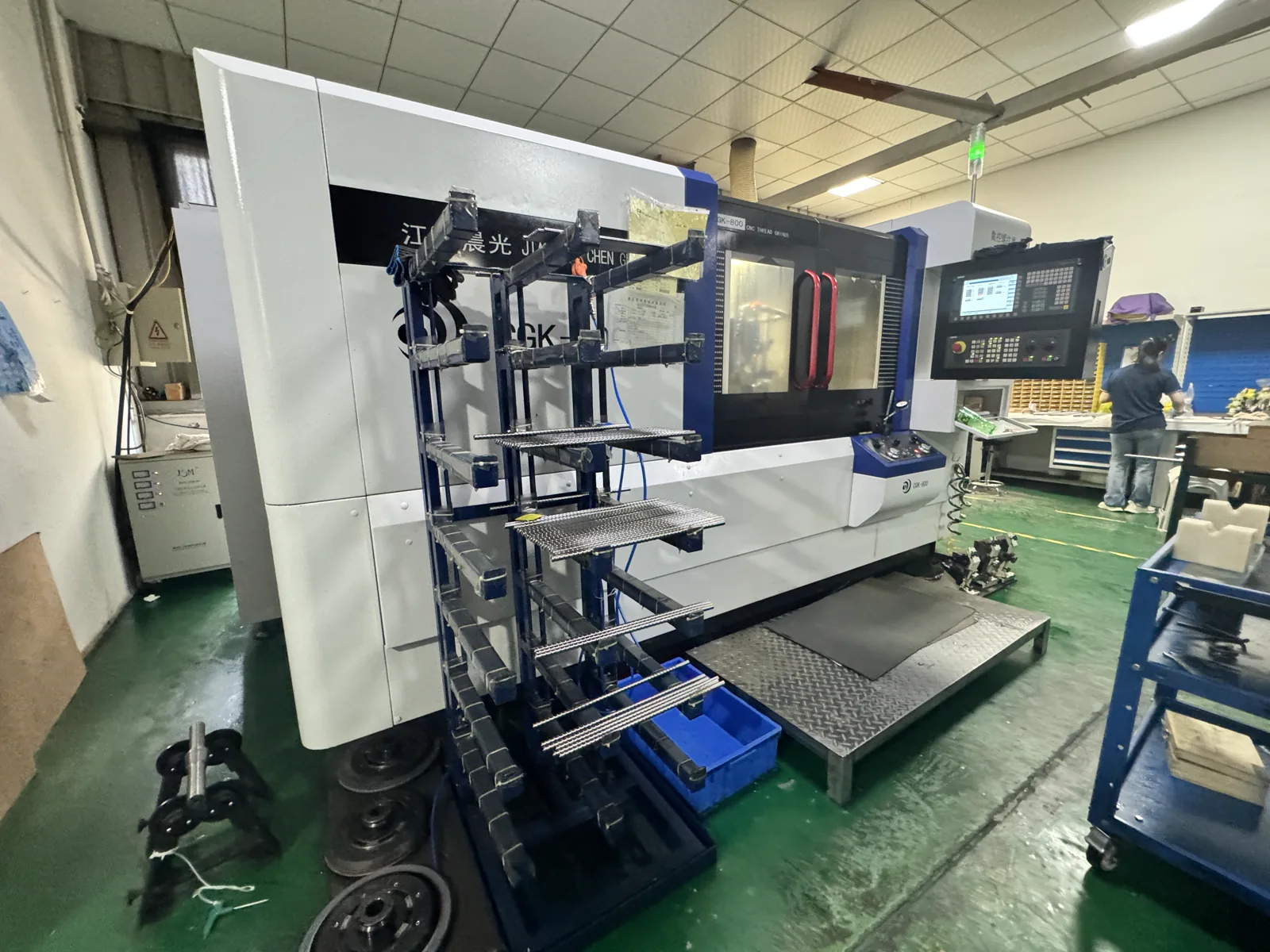
How to Select a Ball Screw for Repeated Motion in Packaging Machines
Packaging machine ball screw selection should consider repeated motion, cycle time, load, and maintenance conditions, so the RFQ should state the real running rhythm.
Send packaging machine motion details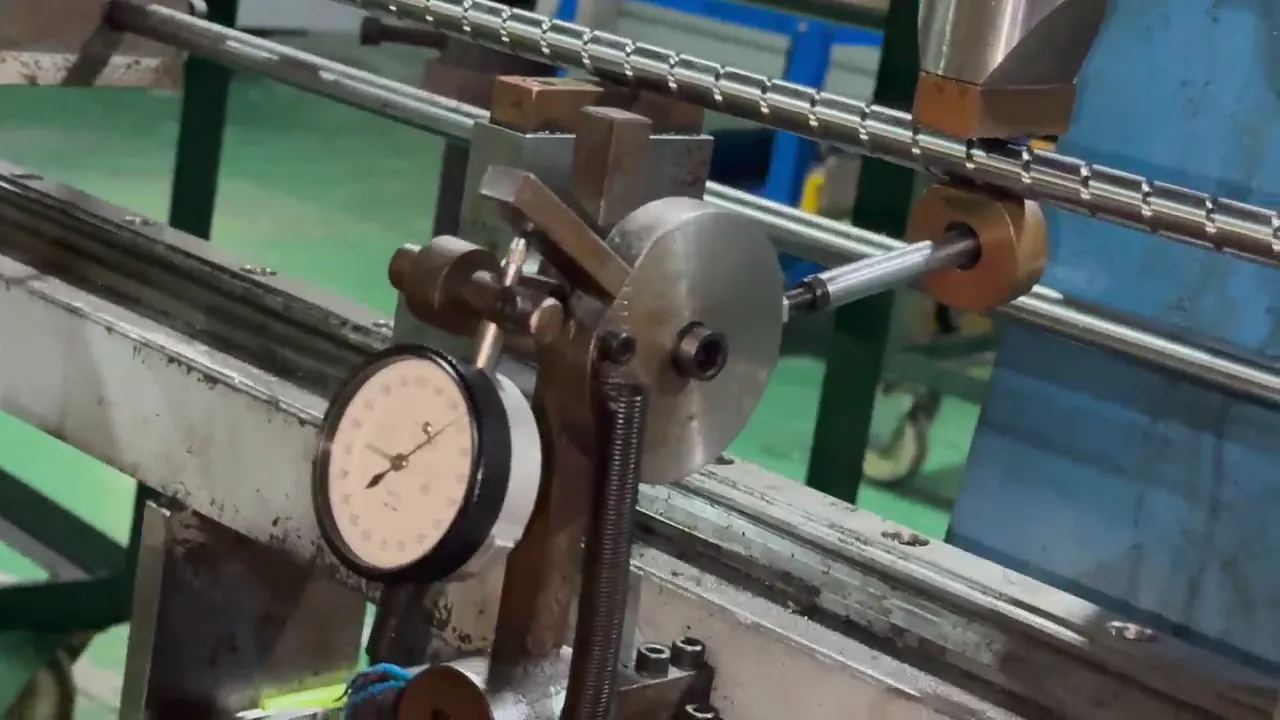
C5 vs C7 Ball Screw: Accuracy, Cost, and Buyer Selection
C7 and C5 differ in accumulated lead error, process, and lead time, not in being better or worse. Judge by the axis: most machines run C7, key axes need C5.
Send accuracy requirements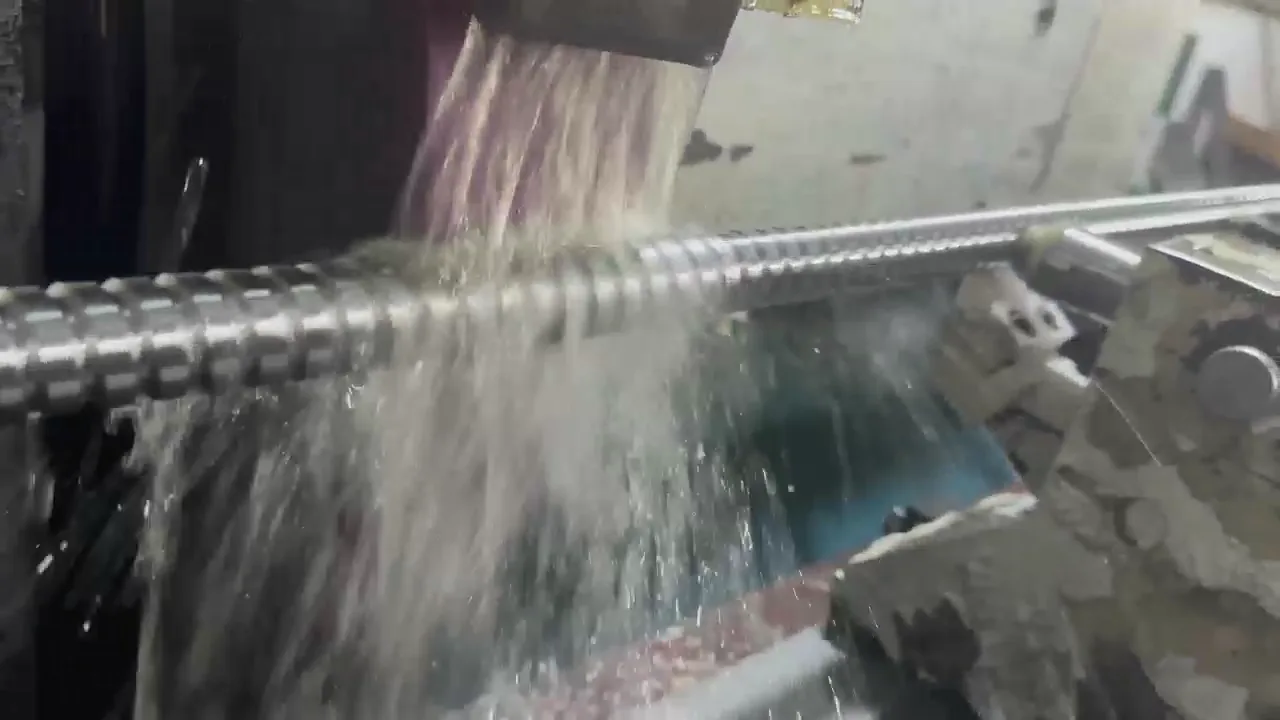
Automation Linear Module Ball Screw: RFQ Parameters
A linear module inquiry should describe the ball screw, slide, guide rail, motor connection, and repeatability together instead of quoting by model only.
Send linear module parameters