A CNC router upgrade starts with the drive system
When upgrading a CNC router ball screw, stepper and servo motors have different limits. The RFQ should state the current motor type, power or frame, driver, target speed and whether the motor is being replaced, rather than quoting from the old screw model alone. For changes after quotation, see how to confirm quotation validity and payment terms.
The two drives set how large a lead you can afford:
| Comparison | Stepper motor | Servo motor |
|---|---|---|
| Torque behaviour | High at low speed, falls off sharply | Wider constant-torque band, usable at speed |
| Closed loop | Usually open loop (lost steps go unnoticed) | Closed loop with position feedback |
| Best fit | Cost-sensitive, moderate speed | High speed and dynamics, demanding positioning |
| Risk | Rated torque can halve near 3000 rpm | Higher cost, and critical speed still applies |
Lead has to match speed and torque
A larger lead gives more speed at the same rpm, but torque, thrust margin and resolution have to be checked. Steppers lose torque quickly at high speed while servos suit higher dynamics, and both still have to respect the screw's critical speed.
The conversion is direct: at 1000 rpm a 5 mm lead runs 5 m/min and a 10 mm lead 10 m/min. So "I want 20 m/min" is really the question "is a 10 mm lead at 2000 rpm enough", and the answer depends on the torque available at that speed.
Coupling and support unit cannot be skipped
Coupling end diameter, length, keyway or flat has to match the motor shaft. The support unit model, fixed side and support side dimensions decide end machining, so if the support unit is also being replaced, include the new model.
An upgrade changes more than speed
Common router upgrade goals include more speed, less backlash, better surface finish, or more load capacity. Chasing speed alone can cost positioning accuracy, thrust and stability, so state the material, travel and accuracy target together. For how to describe an automation application, see automation application parameters RFQ.
Sorting the goal makes the solution converge: more speed is mostly lead against motor rpm; less backlash is nut preload and end fit; better surface finish usually rests on rigidity, guides and preload, and a larger lead can make things worse.
Send old-part photos with the upgrade target
If the upgrade comes from a trapezoidal screw or an old ball screw, photograph the old part, installation space, nut seat, coupling, support unit and motor position. That is what lets the supplier choose between standard parts, a cut length, or end machining.
Application decision table
| CNC router upgrade choice | What to compare | Why it matters |
|---|---|---|
| Stepper motor upgrade | Torque, speed, lead, acceleration | Prevents lost steps and weak thrust. |
| Servo motor upgrade | Speed, feedback, coupling, support span | Uses higher speed without ignoring fit. |
| Lead change | Current lead vs target speed | Larger lead can reduce thrust and resolution. |
| Mechanical fit | Coupling, support unit, end machining | Keeps the upgraded axis installable. |
RFQ checklist
- CNC router upgrade goal: speed, accuracy, load capacity, or repair reliability.
- Current screw model, lead, travel, axis, support unit, coupling, and motor type.
- Stepper motor or servo motor details: torque, speed range, shaft size, and controller limits.
- Desired lead, speed, accuracy, end machining, nut style, packing, and delivery target.
- Photos of the old screw, motor connection, coupling, and installation space.
Send us the upgrade target
Send weimute the current axis photos, motor information, lead, speed target, torque concern, and coupling size. Our manufacturing and sales team can suggest whether to keep the original lead or quote a new ball screw route. If the upgrade scope changes after quotation, see how to confirm quote validity and payment terms.
FAQ
Is a servo motor always better for a CNC router upgrade? Not by itself. The ball screw lead, support span, coupling, and mechanical fit must also match. For how to describe an automation ball screw application, see automation application parameters RFQ.
Can I increase speed by changing lead only? Sometimes, but the motor torque and positioning resolution must still be checked. Doubling the lead halves the thrust at the same torque.
What lead time applies after an upgrade? Standard rolled C7 runs about 3-7 days depending on machining volume and difficulty; a ground part from a drawing takes about 35-60 days and belongs in the retrofit shutdown plan early.
Next step
Turn this guide into an RFQ
When the specification direction is clear, send the details below together with quantity, lead time, and packing requirements.
Include these details
- Model, diameter, lead, accuracy grade, or target application.
- Load, speed, travel, mounting method, and matching rail or support-unit needs.
- Quantity, lead time, packing, and whether inspection records or shipment photos are needed.
Category
Related Technical Guides
Continue with similar buyer questions
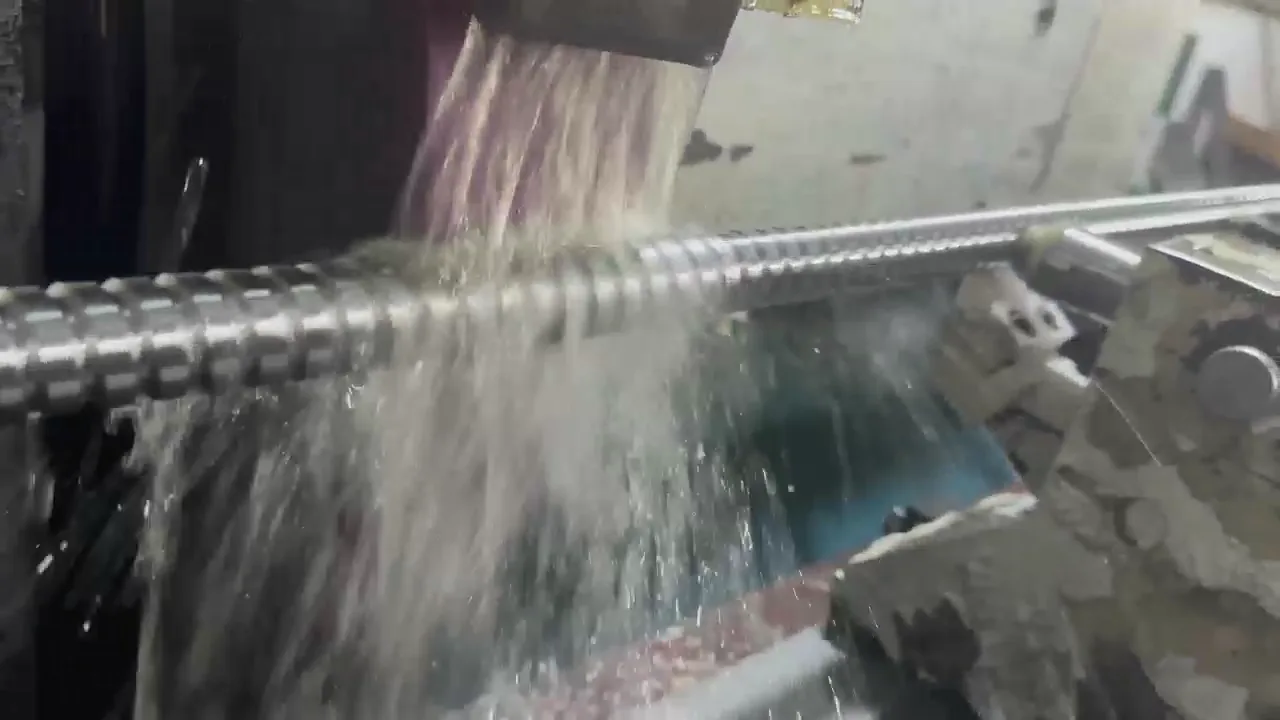
Automation Linear Module Ball Screw: RFQ Parameters
A linear module inquiry should describe the ball screw, slide, guide rail, motor connection, and repeatability together instead of quoting by model only.
Send linear module parameters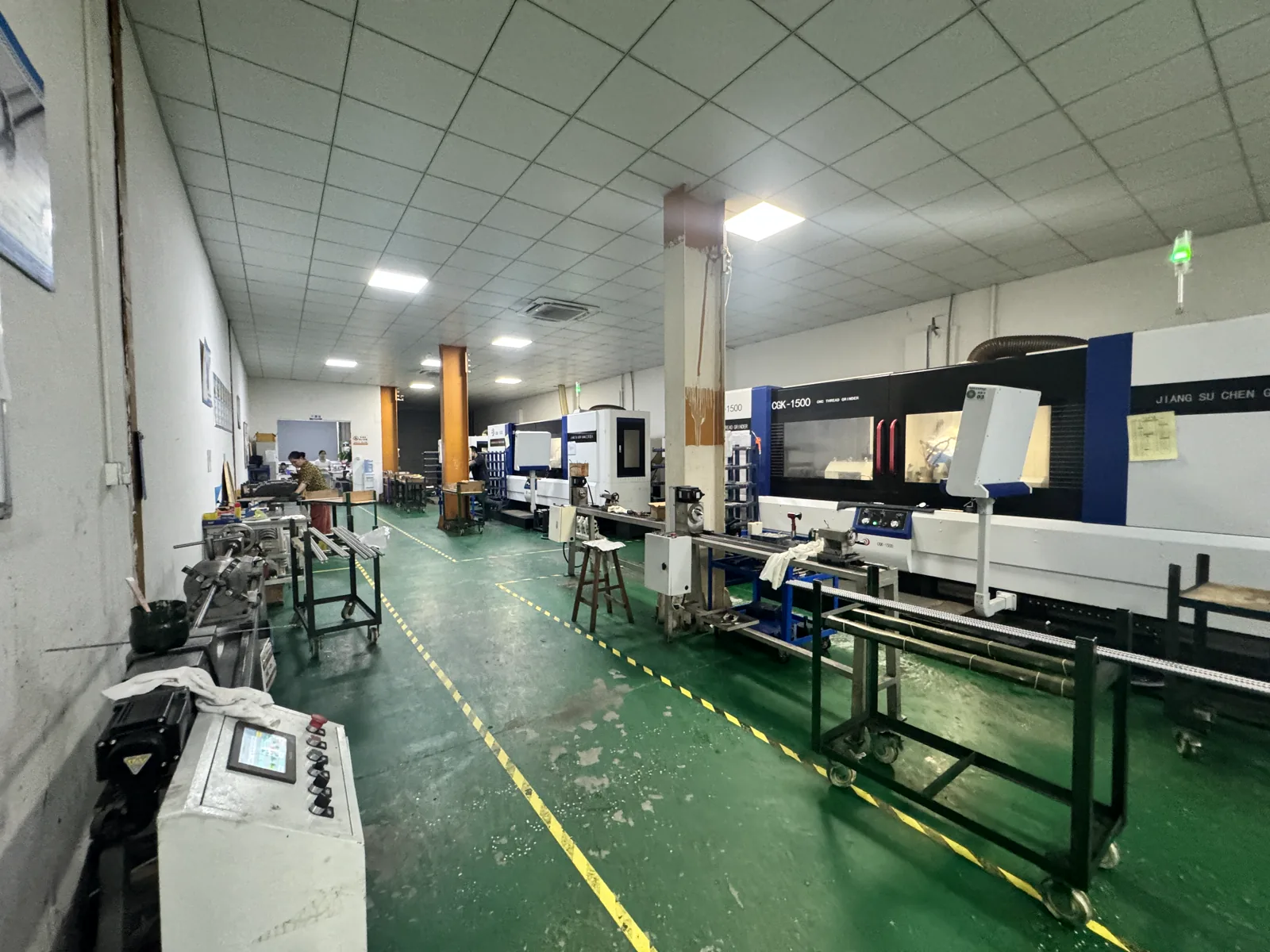
Automation Ball Screw RFQ: How to State Application Parameters
An automation-equipment RFQ needs application parameters alongside the model, accuracy, lead-time, and packing requirements.
Send automation application parameters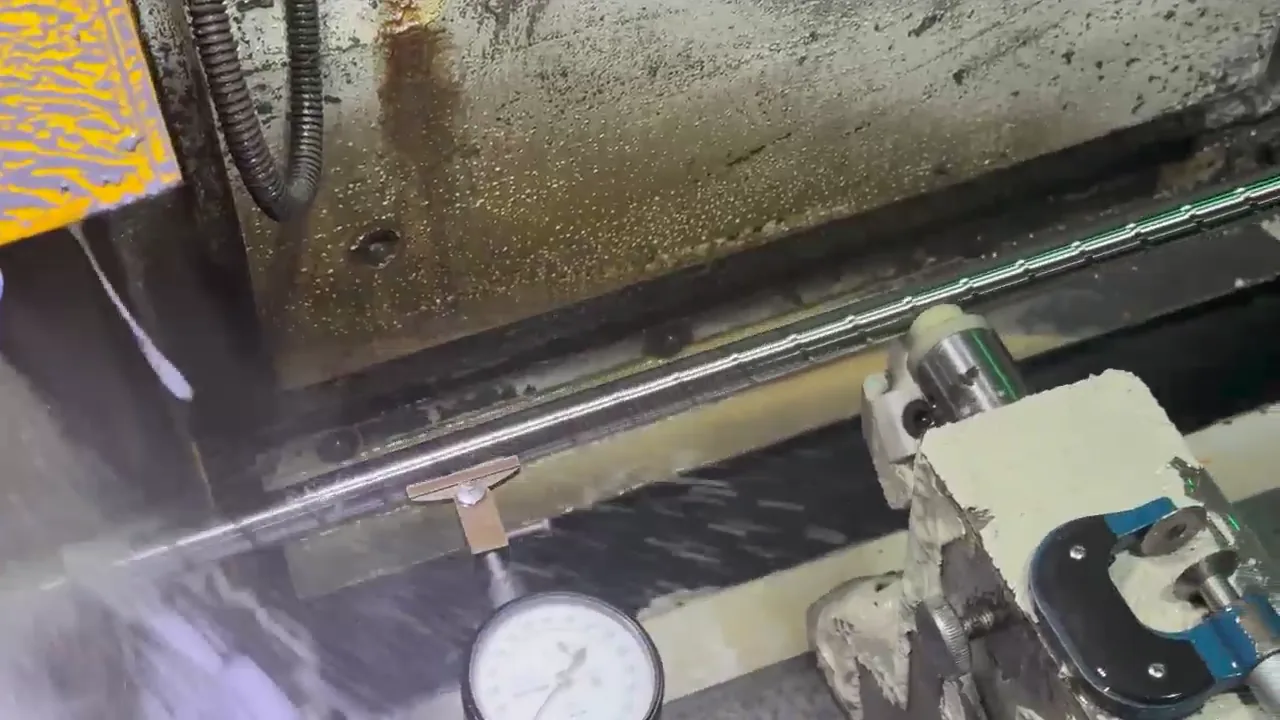
Laser Cutting Machine Ball Screw: Speed and Accuracy RFQ
Laser cutting machine ball screw selection should balance speed, accuracy, dust protection, and heat effect, so the RFQ should describe the application environment.
Send laser machine parameters