A post-quotation drawing change cannot be verbal
If a ball screw drawing changes after quotation, state the revision number, change date and changed location. Saying "a small edit" in an email leaves quotation, production and inspection working from different files.
To decide whether a change needs the full route, ask one question: does this alter the machining or inspection method? If yes, reconfirm it; if no, a written note on the original offer is enough.
End dimension changes matter most
End dimensions, bearing seats, lock threads, shoulders, keyways, coupling end and nut style all affect machining time, tooling, inspection and assembly risk. After a change, reconfirm the end machining route.
The ends are the high-risk area for changes: a single edit touches the turning operation, the tooling, the inspection items and the fit with the support unit, and every one of them has to be reconfirmed.
Tolerance and accuracy change cost too
If tolerance, runout, accuracy grade, preload or backlash requirements tighten, cost and lead time both need re-evaluation. The RFQ should state which dimensions are reference only and which must be held to tolerance.
A typical case: tightening a general tolerance until the process moves from one turning pass to "turning plus finish grinding" changes both the operation and the lead time; moving from rolled C7 to ground C5 moves lead time from the 3-7 day range to the 35-60 day range.
The three-tier impact test
| Impact | Example | Handling |
|---|---|---|
| No cost impact | Marking, drawing number, note wording | Written confirmation by both sides |
| Cost impact | End dimensions, nut style, quantity change | Requote; the old offer is void |
| Process impact | Tolerance tight enough to need grinding, added inspection | Requote plus a decision on a new sample |
Which tier a change falls into is confirmed by the supplier; the buyer's job is to list the change points clearly instead of calling it "a small edit".
Freeze the revision before requoting
Before a requote, confirm the final drawing revision, replace the old file, mark the change points, and state whether the old offer is void. Only then can the supplier judge cost change, lead time change and whether a new sample is needed. For the final check before production, see the pre-production confirmation checklist.
Order decision table
| Drawing change area | What to compare | Possible result |
|---|---|---|
| Revision number | Old drawing vs new drawing | Confirms which version controls production. |
| End dimension | Bearing seat, thread, keyway, shoulder | May change machining cost and lead time. |
| Nut style or tolerance | Flange, preload, accuracy, tolerance | May require requote or new review. |
| Commercial impact | Cost change, quantity, delivery date | Decides whether quotation remains valid. |
Confirmation checklist
- Drawing change summary, revision number, changed pages, and responsible confirmer.
- End dimension, nut style, tolerance, material, surface treatment, and inspection report changes.
- Cost change, lead time change, quantity, packing, and whether a requote is required.
- Final approved drawing, quotation number, PO status, and production release decision.
Send us the changed drawing before production
Send weimute the old drawing, new drawing, revision number, and change list after quotation. Our manufacturing and sales team will confirm whether the quotation still applies or whether a requote is needed.
FAQ
Does every drawing change require a requote? Not always, but changes to end dimensions, nut style, tolerance, or inspection scope often affect cost or lead time.
Can production continue while the drawing is changing? It is risky. Reconfirm the final revision before production release. See the pre-production confirmation checklist.
What happens to the old drawing and quotation? Void them explicitly and replace the files, so the workshop and inspection do not work from an old version. Parallel files are where rework starts.
Next step
Turn this guide into an RFQ
When the specification direction is clear, send the details below together with quantity, lead time, and packing requirements.
Include these details
- Model, length, quantity, purchase purpose, and target lead time.
- Drawing, sample photos, application parameters, or old-part dimensions.
- Packing, label, inspection, and quotation version to confirm before payment.
Category
Related Technical Guides
Continue with similar buyer questions
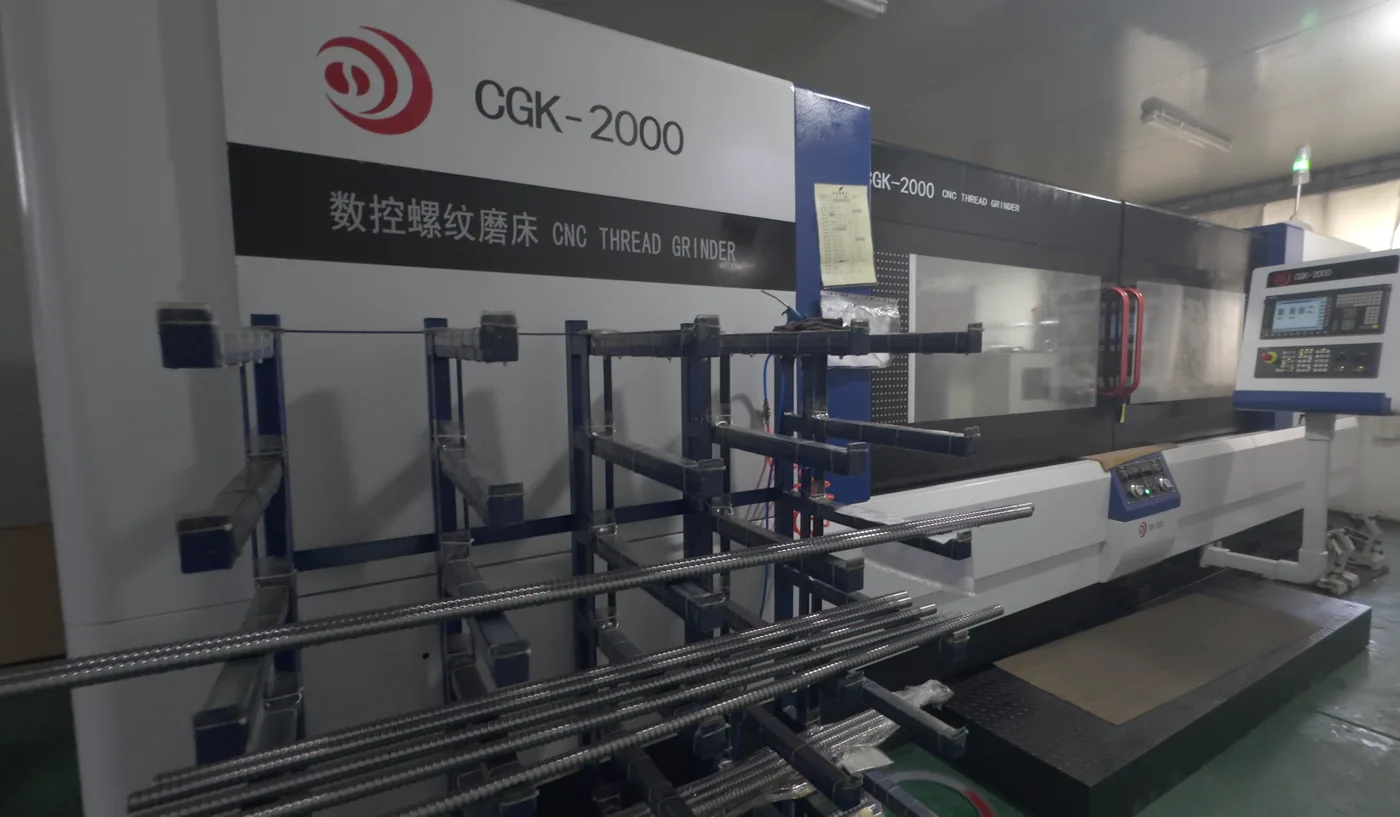
Ball Screw Pre-Production Check: Drawing, Nut, Packing
Before production, buyers should lock drawing revision, end machining, nut direction, labels, packing, and inspection requirements.
Send pre-production confirmation
Ball Screw Quote Validity and Payment Terms: How to Confirm
Quotation validity is not a formality; quantity, exchange rate, material price, freight, and lead time changes can affect the final order.
Send quotation validity confirmation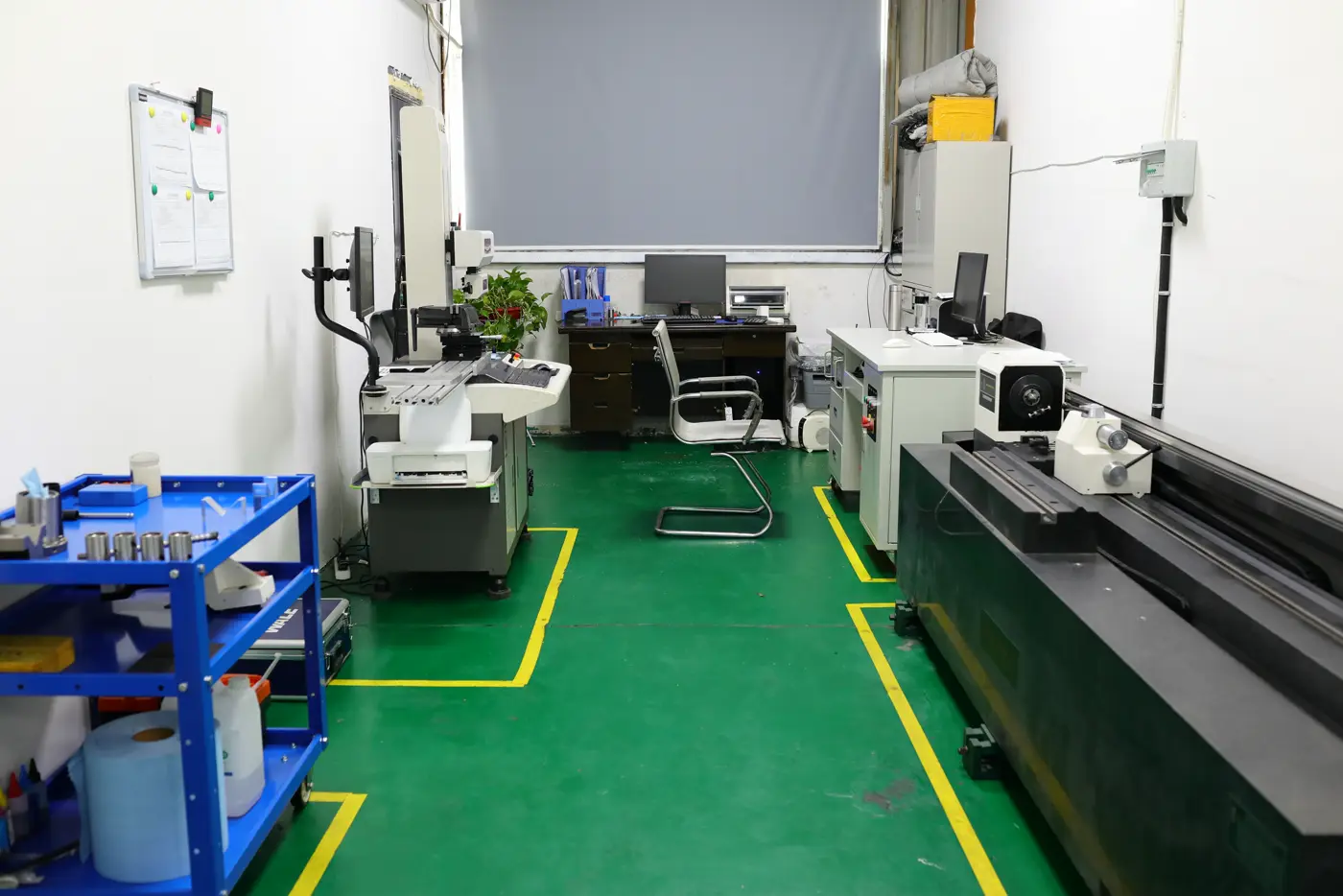
How to Check Ball Screw Quotation Items Before Ordering
After receiving a ball screw quotation, buyers should compare more than unit price and confirm specification, machining, packing, and lead time boundaries.
Send quotation confirmation details