Buyer decision table
| RFQ condition | Best first action | What weimute can quote |
|---|---|---|
| Complete drawing available | Send drawing, quantity, packing, and delivery target | Production-ready price and lead time. |
| Drawing missing but old part available | Send old-part photos and measured dimensions | Replacement estimate and missing-dimension list. |
| Only model code known | Send model, length, nut type, machine, and quantity | Standard or near-standard option check. |
| Design still changing | Send target stroke, load, speed, and support plan | Selection guidance and budget range. |
What to provide with or without a drawing
With drawing, send the 2D drawing and 3D file if available. Without drawing, send old part photos, measured dimensions, application information, and ask for engineering review before final production. For the detailed workflow when you only have old part photos, see how to prepare a ball screw RFQ with only old part photos.
RFQ checklist
- With drawing: include total length, thread length, end machining, nut drawing, tolerance, and surface treatment.
- Without drawing: measure diameter, lead, total length, thread length, shaft ends, nut shape, and mounting holes.
- Always include: quantity, machine type, application, destination, packing request, and delivery target.
- Mark uncertainty clearly: write "to confirm" beside any dimension that is estimated.
Send us the best file you have
Send weimute the drawing if you have it; if not, send photos and measurements. Our manufacturing and sales team will reply with a required-dimension list so the RFQ can move from rough inquiry to quotable specification.
FAQ
Is a hand sketch useful? Yes, if it shows the end machining sequence, main diameters, lengths, thread, and bearing positions.
Can a supplier copy from photos only? Photos help identify style, but measured dimensions are still required before manufacturing.
How drawing and no-drawing RFQs differ
| Situation | Supplier can check first | Buyer still needs to add |
|---|---|---|
| Complete drawing | End dimensions, tolerances, machining | Quantity, material, accuracy, lead time |
| Old-part photos only | Model clues and visible mounting sizes | Overall length, lead, nut, key steps |
| Text description only | Initial feasibility and missing fields | Photos, sketch, or sample |
Send drawings, photos, and quantity through the RFQ form, and review end machining service.
Next step
Turn this guide into an RFQ
When the specification direction is clear, send the details below together with quantity, lead time, and packing requirements.
Include these details
- Model, length, quantity, purchase purpose, and target lead time.
- Drawing, sample photos, application parameters, or old-part dimensions.
- Packing, label, inspection, and quotation version to confirm before payment.
Category
Related Technical Guides
Continue with similar buyer questions
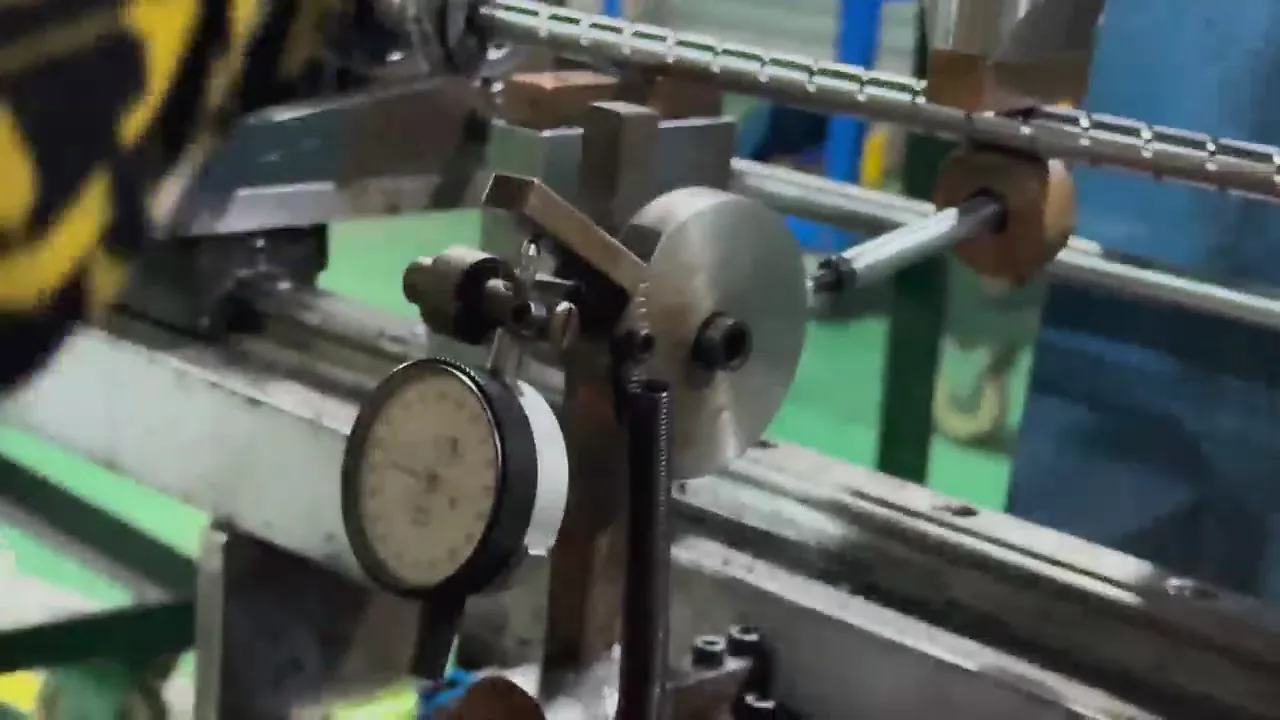
What Information Is Needed for a Custom Ball Screw RFQ
Before requesting a custom ball screw quote, list the drawing, dimensions, accuracy, quantity, and packing requirements.
Open custom RFQ form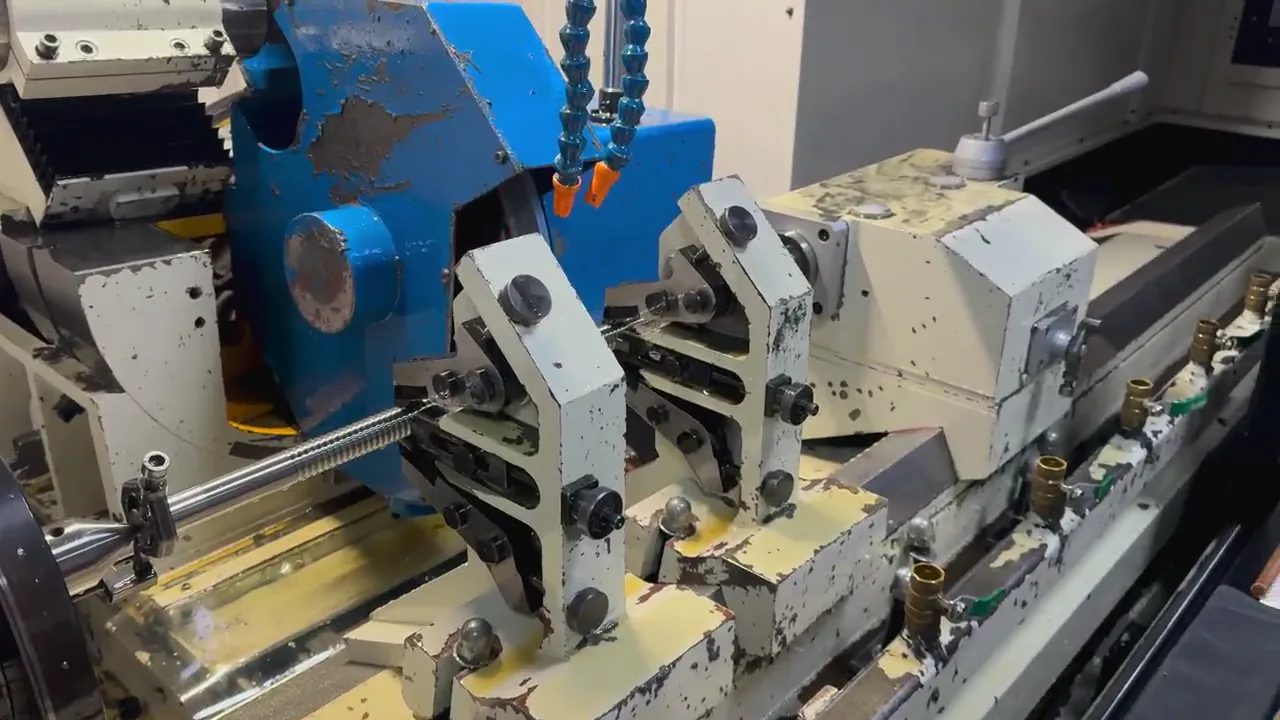
How to State Lead Time in an Urgent Repair Ball Screw RFQ
Urgent repair RFQs need clear lead time, old part information, and acceptable alternatives so the supplier can judge the fastest feasible route.
Send urgent repair RFQ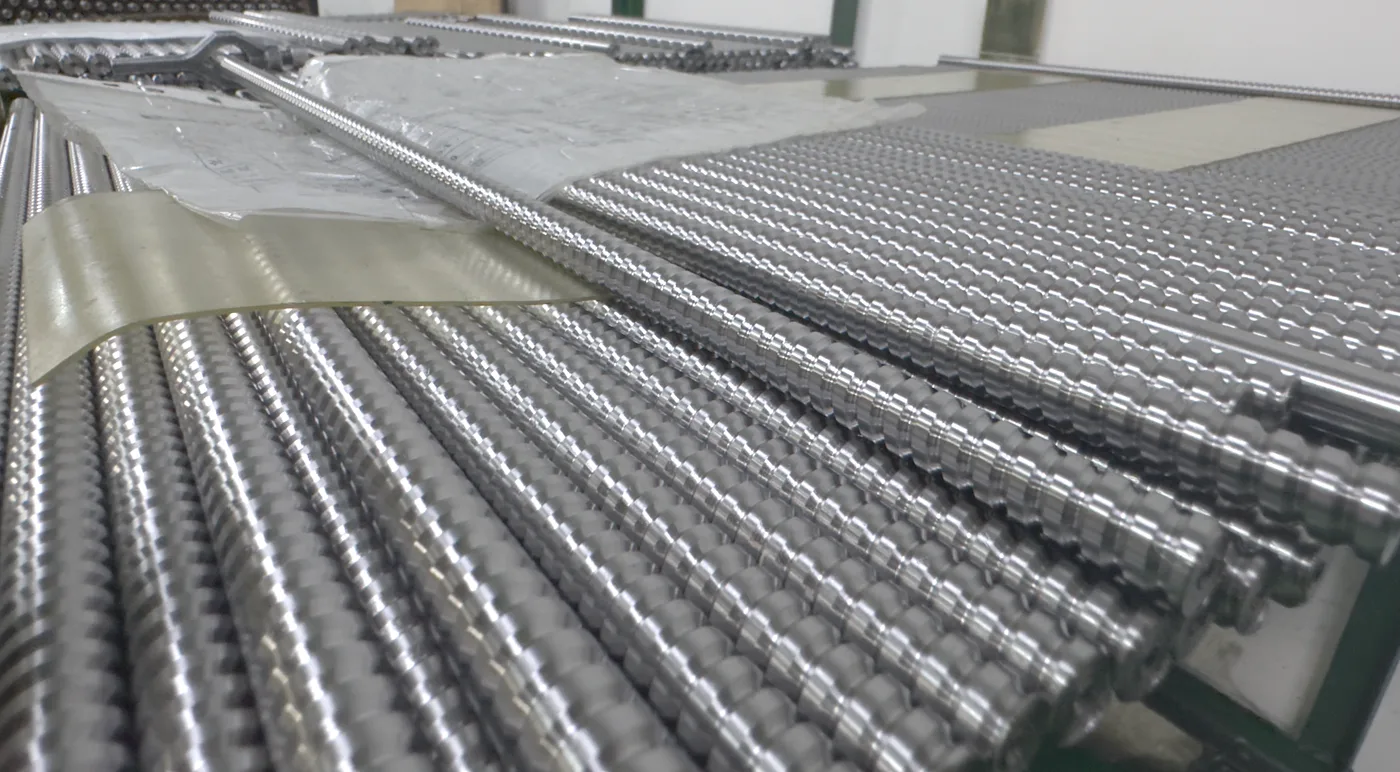
How to Send a Repeat Ball Screw Order RFQ List
Repeat orders still need previous order number, model list, quantity, drawing revision, labels, packing, and a new lead time plan.
Send repeat order list