Buyer decision table
| Buyer situation | What to send first | Why it matters |
|---|---|---|
| Standard set order | Model, total length, nut type, quantity | Confirms whether stock parts can be matched quickly. |
| Bar or cut-length order | Diameter, lead, bar length, cut lengths, quantity | Separates material stock from machining and packing cost. |
| Distributor replenishment | Model table list, monthly usage, label rules | Helps weimute quote batch price and repeat supply terms. |
| Urgent repair | Old model, measured length, photos, target date | Allows a fast replacement check before a full drawing is ready. |
First email wording for standard parts and bars
In the first email, write whether the RFQ is for standard parts, bars, or cut lengths. Keep model, length, nut type, quantity, and packing request together so the supplier can quote without guessing.
RFQ checklist
- Purchase type: complete set, bare bar, cut length, distributor stock, or urgent replacement.
- Model and size: diameter, lead, total length, nut type, accuracy grade if known.
- Quantity: sample quantity, batch quantity, and expected repeat order rhythm.
- Packing and shipping: neutral packing, label rules, destination country, shipment method, and photo request.
- Timing: required quotation date, required delivery date, and whether partial shipment is acceptable.
Send us your first RFQ email
Send weimute one email with the table list above, even if some fields are still unknown. We will confirm missing details before quoting and check whether a standard stock option fits the order.
FAQ
Does the first RFQ email need a drawing? Not always. Standard ball screws and common sets can start with model, length, nut type, quantity, and packing request.
What if the model is incomplete? Send photos, measured diameter, lead, overall length, nut style, and machine information so weimute can narrow the options.
First RFQ email template
Subject: Ball screws / standard parts RFQ | model | quantity | required date
Include at least: model or diameter and lead, length, nut, quantity, destination port, packing, and whether cutting or end machining is required.
You can also submit the fields through the RFQ form and review standard parts and bars.
Next step
Turn this guide into an RFQ
When the specification direction is clear, send the details below together with quantity, lead time, and packing requirements.
Include these details
- Model, length, quantity, purchase purpose, and target lead time.
- Drawing, sample photos, application parameters, or old-part dimensions.
- Packing, label, inspection, and quotation version to confirm before payment.
Category
Related Technical Guides
Continue with similar buyer questions
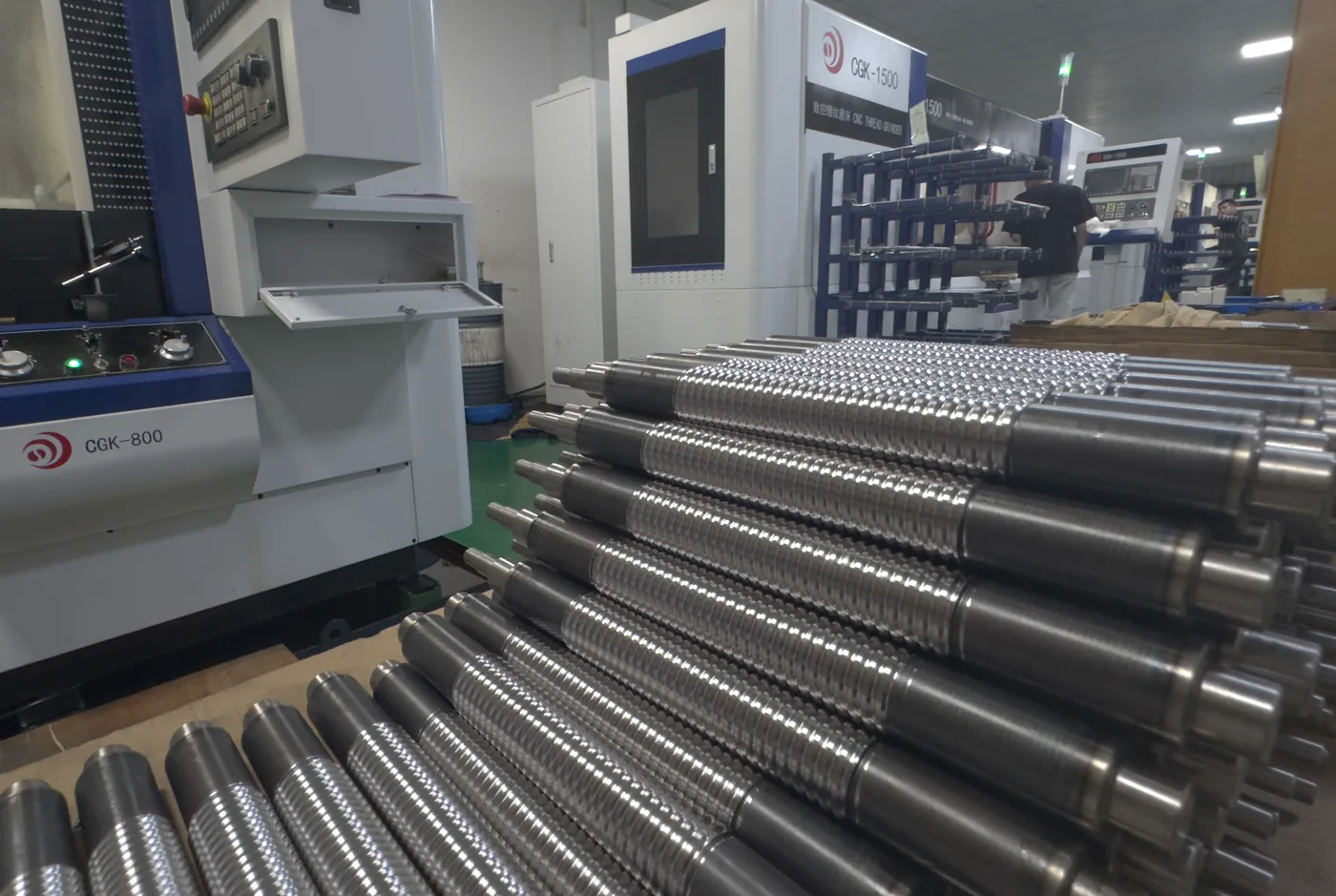
How to Organize a Multi-Model Ball Screw RFQ List
List each model, length, quantity, nut, and packing requirement on a separate RFQ table row.
Send multi-model RFQ list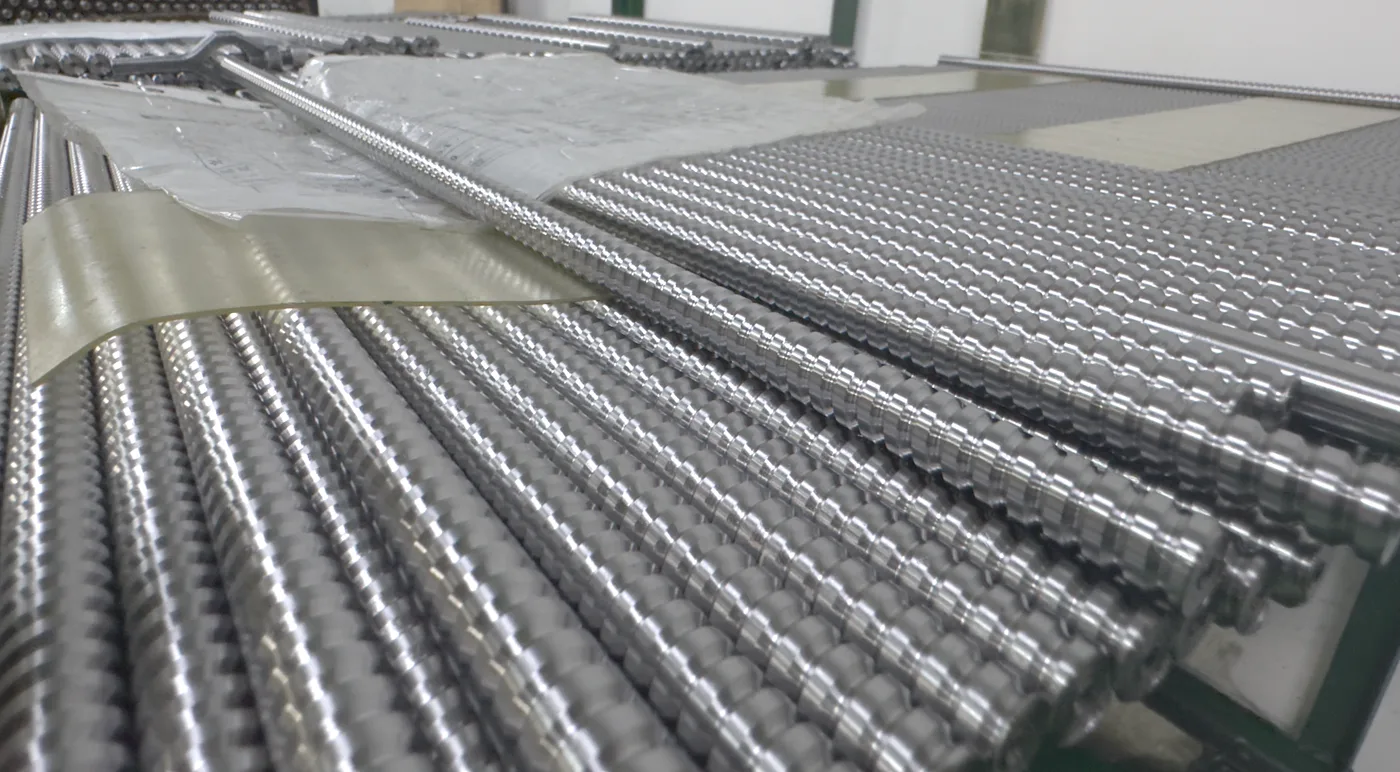
How to Send a Repeat Ball Screw Order RFQ List
Repeat orders still need previous order number, model list, quantity, drawing revision, labels, packing, and a new lead time plan.
Send repeat order list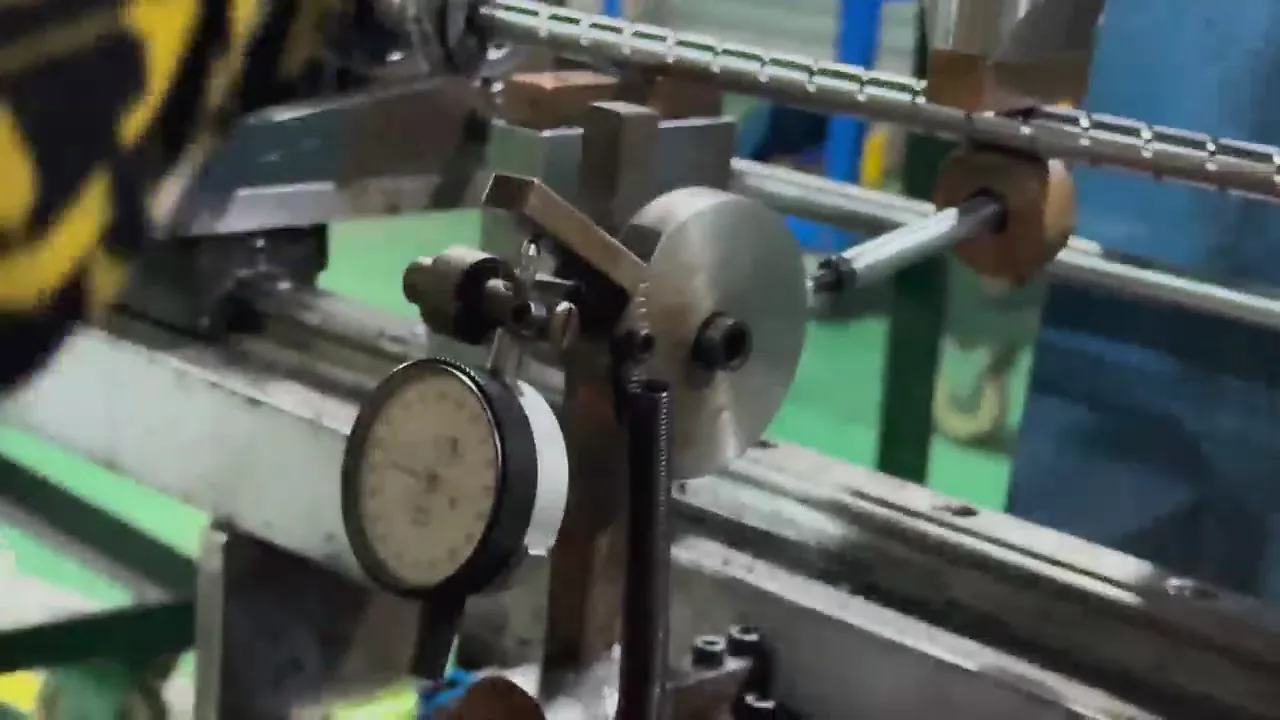
What Information Is Needed for a Custom Ball Screw RFQ
Before requesting a custom ball screw quote, list the drawing, dimensions, accuracy, quantity, and packing requirements.
Open custom RFQ form