Buyer decision table
| List column | Example value | Why it helps quotation |
|---|---|---|
| Model and length | SFU1605, 1000 mm | Confirms stock and cutting plan. |
| Nut type | Single flange nut | Prevents mismatched nut quotation. |
| Quantity | 20 sets, repeat monthly | Separates sample price from distributor batch price. |
| Priority | Urgent / normal / future stock | Helps weimute split lead time by item. |
| Packing rule | Neutral label, hard tube, wooden case | Avoids later packing cost changes. |
Multiple models batch RFQ table list
For multiple models, send a batch RFQ as a table list and list each item line by line. Include common rows such as 1605, 1610, 2005, and 2510 when they are part of the purchase plan.
RFQ checklist
- Use one row per model and keep units consistent in millimeters.
- Separate complete sets, bare bars, nuts, support units, and spare parts.
- Add annual or monthly forecast if the RFQ is for distributor stock.
- Mark urgent rows so weimute can quote available stock separately from made-to-order rows.
- Attach drawings only for rows that need end machining or non-standard nuts.
- State the accuracy class per row (C7, C5) instead of "high accuracy", so quotations from different suppliers can be compared.
Send us your purchase list
Send weimute the table list in Excel, CSV, or a clear email table. Our manufacturing and sales team can return a line-by-line quotation with stock status, MOQ notes, packing comments, and lead time by model.
FAQ
Should I split a large RFQ into many emails? No. One table keeps model matching, packing, and delivery planning clearer.
Can weimute quote distributor stock from a forecast? Yes. A forecast helps separate immediate purchase quantity from repeat supply planning.
Next step
Turn this guide into an RFQ
When the specification direction is clear, send the details below together with quantity, lead time, and packing requirements.
Include these details
- Model, length, quantity, purchase purpose, and target lead time.
- Drawing, sample photos, application parameters, or old-part dimensions.
- Packing, label, inspection, and quotation version to confirm before payment.
Category
Related Technical Guides
Continue with similar buyer questions
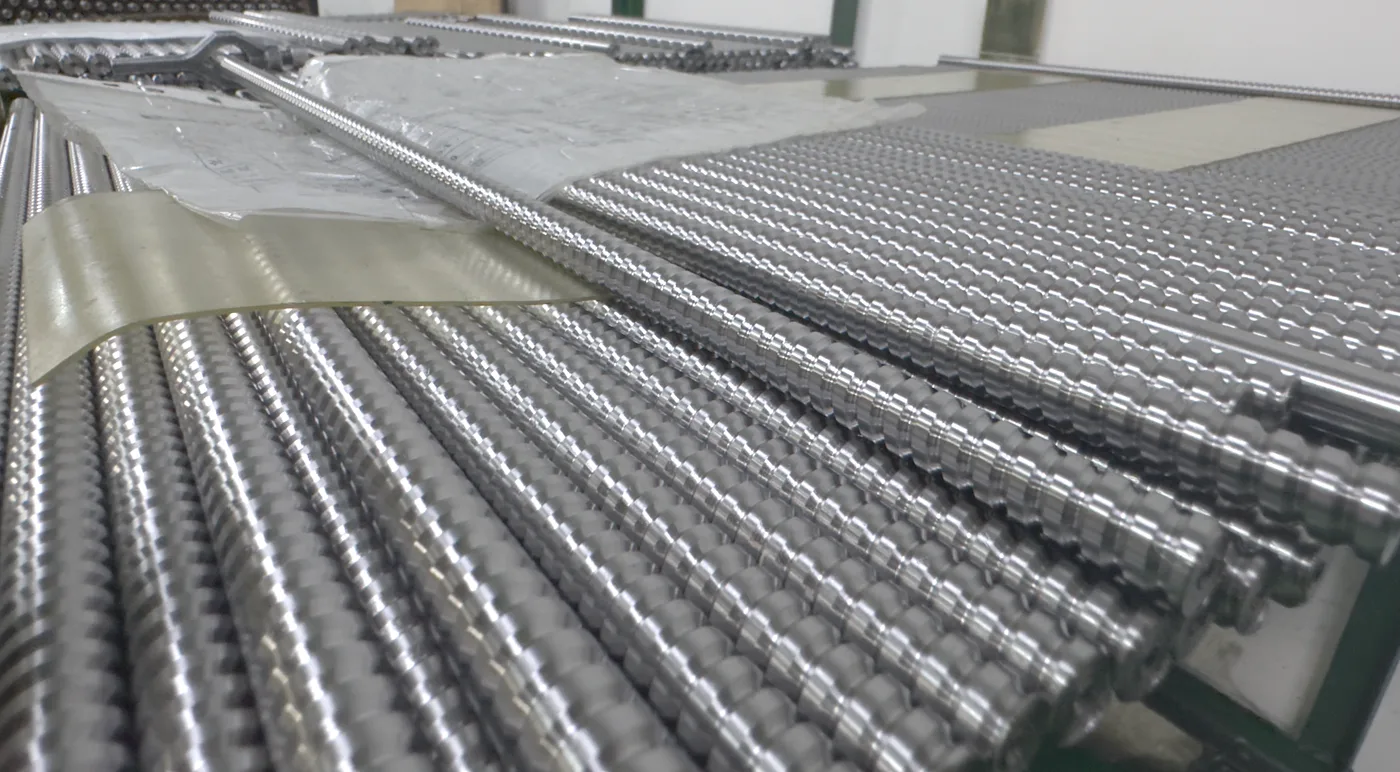
How to Send a Repeat Ball Screw Order RFQ List
Repeat orders still need previous order number, model list, quantity, drawing revision, labels, packing, and a new lead time plan.
Send repeat order list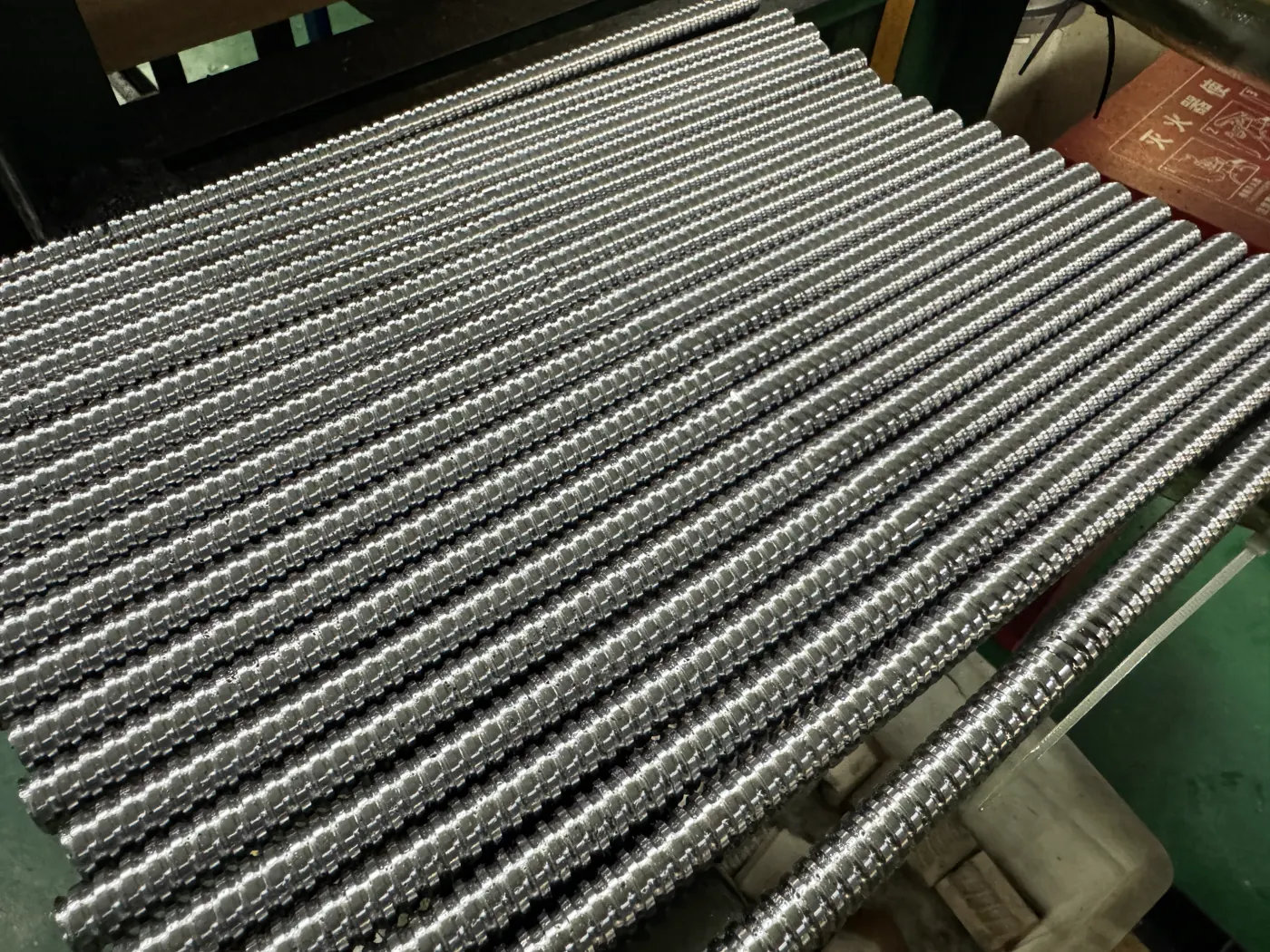
Standard Ball Screws First RFQ Email: What to Write
In the first RFQ email, state the purchase type, model, length, nut, quantity, packing, and required lead time.
Open standard parts RFQ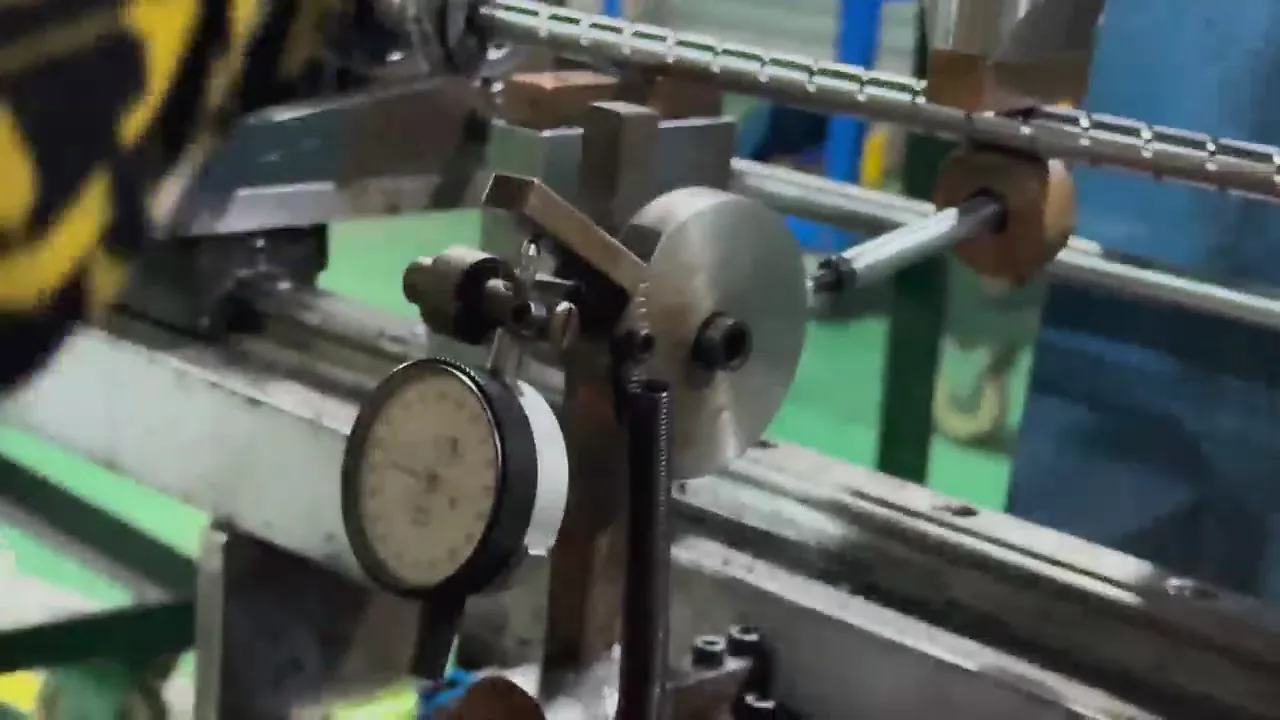
What Information Is Needed for a Custom Ball Screw RFQ
Before requesting a custom ball screw quote, list the drawing, dimensions, accuracy, quantity, and packing requirements.
Open custom RFQ form