Buyer decision table
| Drawing area | Must show | Why it matters |
|---|---|---|
| Fixed end | Bearing seat, thread, lock nut, shoulder | Controls preload and fixed-side assembly. |
| Supported end | Support diameter, length, chamfer | Controls fit with BF or other support unit. |
| Thread section | Thread length, usable stroke, nut position | Prevents stroke and mounting mistakes. |
| Special features | Keyway, groove, hole, surface treatment | Adds machining process and inspection needs. |
Start with the two ends, not one
An end machining drawing should identify the fixed side and the support side first. The fixed side carries axial location and locking, the support side provides radial support. The two ends are not interchangeable, so a drawing of one end leaves the other to guesswork.
Three omissions map directly to three kinds of rework:
- No datum: every length dimension needs a datum face (usually the motor end or the fixed-side face). Without it, the machinist picks a starting point by interpretation.
- No tolerance: bearing seats and shoulders need a tolerance or its source (the support unit manufacturer's drawing). A nominal size alone leaves nothing to inspect against.
- Only one end drawn: the other end gets machined from experience, and the odds of a bad fit are high.
Fixed side dimensions have to be complete
The fixed side should show bearing journal diameter and length, shoulder position, lock thread, lock nut space, chamfer and the end-face datum. Bearing journal diameter and length errors go straight into support unit fit and preload.
Support side and coupling end need marking too
The support side needs shaft diameter, length, and either a retaining groove or shoulder. The coupling end also needs diameter, length, keyway, flat or set-screw position so the motor side connects.
Drawing revision and RFQ information have to agree
State the drawing revision, units, tolerance, surface treatment, quantity and whether sample verification applies. If the old-part photo and the drawing disagree, say before quotation which one takes priority.
End machining drawing checklist
- Fixed side: show bearing journal diameter and length, shoulder, lock thread, and retaining groove if used.
- Support side: show support side diameter, length, chamfer, and any keyway.
- Drawing control: include drawing revision, units, tolerance, and material or surface notes.
RFQ checklist
- Attach PDF drawing and editable CAD file if available.
- Confirm all dimensions are in millimeters and all tolerances are visible.
- State support unit model, nut type, accuracy grade, preload or backlash requirement.
- Add quantity, delivery target, destination country, and packing requirement.
- Request inspection photos or reports if your internal approval needs them.
Send us your end machining drawing
Send weimute the end machining drawing with the checklist above. Our manufacturing and sales team will identify missing dimensions, manufacturing risks, and inspection points before final quotation.
FAQ
Can a quotation start from a partial drawing? Yes, but production cannot start until missing end dimensions are confirmed.
Which format is best? PDF is good for review, and an editable CAD file helps reduce interpretation errors. Sending both is best.
If the old-part photo and the drawing disagree, which wins? You decide and state it in the RFQ. If it is not stated we will ask before machining. That one sentence saves a whole rework round.
Next step
Turn this guide into an RFQ
When the specification direction is clear, send the details below together with quantity, lead time, and packing requirements.
Include these details
- Support-unit model, end drawing, or old-part end photos.
- Bearing journal, shoulder, lock thread, keyway, and coupling-end dimensions.
- Overall length, thread length, quantity, inspection, and packing requirements.
Category
Related Technical Guides
Continue with similar buyer questions
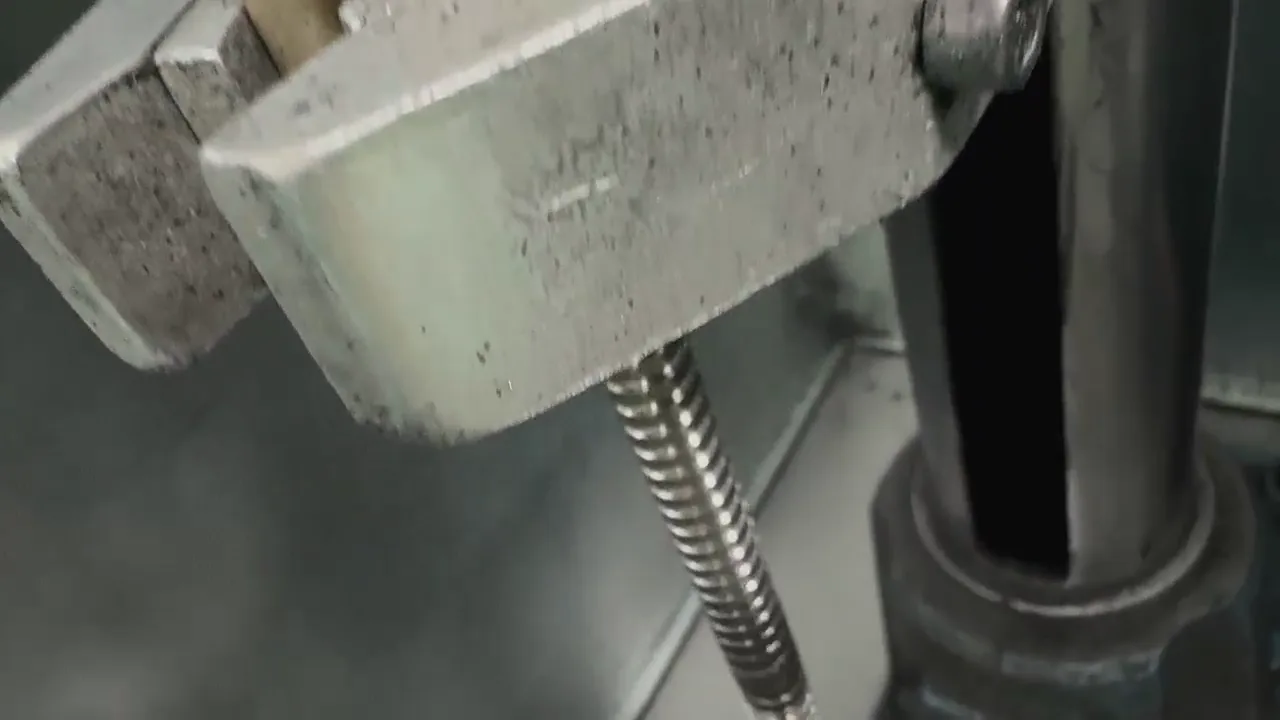
BK/BF Ball Screw End Machining: Support Unit Drawing Guide
Confirm the BK/BF support model before machining the shaft ends, then verify the drawing, bearing seats, threads, coupling end, and assembly length.
Send end machining drawing
BK/BF Ball Screw Support Unit Selection Guide
Before end machining, confirm the support-unit model, screw diameter, bearing journal, coupling end, and installation space.
Send support unit model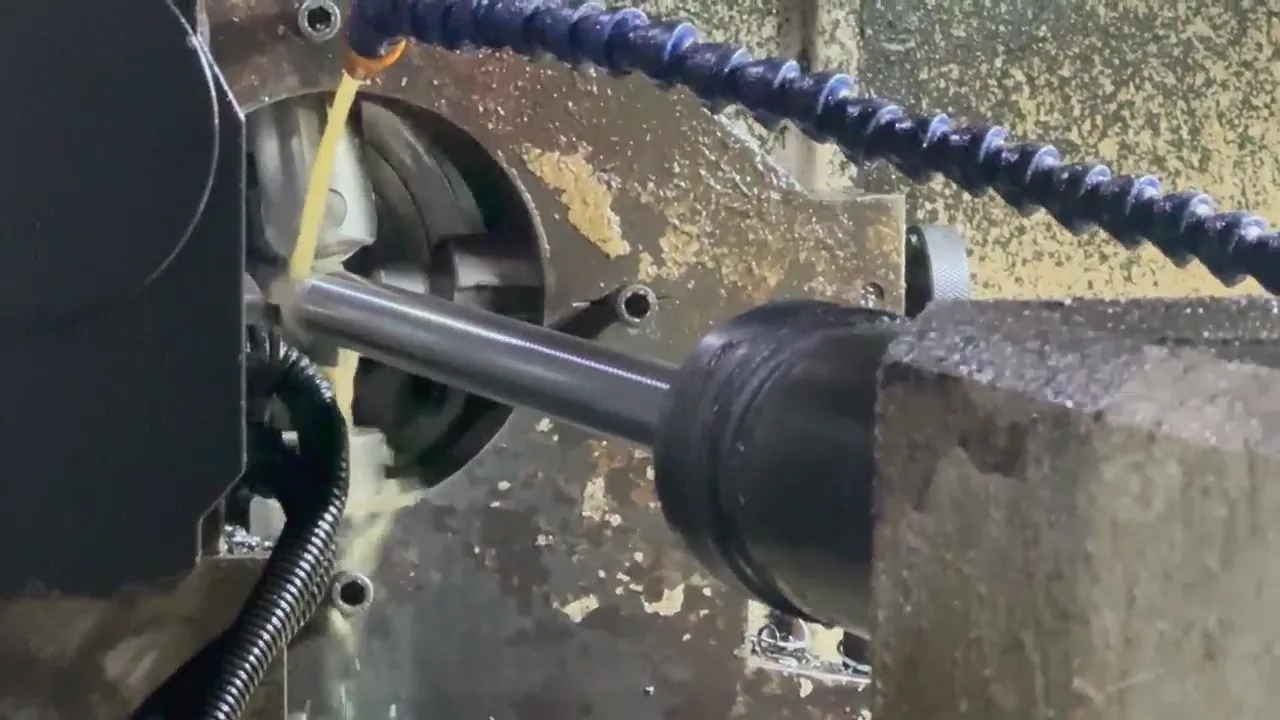
How to Measure Ball Screw End Machining Dimensions
Break end machining dimensions into measurable items so buyers can prepare an RFQ without a complete drawing.
Send end dimensions