Pre-production confirmation is not repeated talk
Pre-production confirmation brings the RFQ, quotation, drawings, and order information into one version. End-machined parts, replacements and batch orders are the most exposed, because any old version can cause an assembly error.
The risk is not too little communication but several documents existing at once: one overall length in the enquiry, another on the quotation, and a third on the drawing. Confirmation exists to collapse them into one.
Lock the drawing revision and end machining first
The drawing revision should carry a date or file name, and end machining should confirm the fixed side, support side, bearing journals, shoulders, threads, keyways and coupling end. "Machine to the previous drawing" is not a specification.
A practical habit: put version and date in the drawing file name (for example `ball-screw-end-A-2026-09-16.pdf`) and reference that file name in the order confirmation instead of "the latest drawing", so both sides are looking at the same document.
Nut direction and matching parts need confirming
Nut direction, flange facing, oil hole position, preload or backlash, support unit, lock nut and coupling end should all be confirmed before production. A wrong assembly direction causes rework on site.
Nut direction fails most often because it does not affect the screw's own accuracy, only whether it can be installed at all. Made the wrong way round, the flange or nut seat has to be re-machined.
Confirm labels, packing and inspection report together
If neutral labels, customer labels, carton marks, shipment photos or an inspection report are needed, they belong in the order confirmation before production and packing. Adding them later tends to delay shipment. For checking the offer line by line, see how to check ball screw quotation items before ordering.
The three release conditions
Production does not start on a nod; three conditions have to be met together:
| Condition | What it means | What is lost without it |
|---|---|---|
| Deposit received | Per the agreed payment terms | The scheduling slot is not held |
| Drawing revision confirmed | File name plus version | Production may follow an old drawing |
| Labels and packing confirmed | Label fields, packing method | Rework before shipment |
Lead time runs from that release point: standard rolled C7 in about 3-7 days depending on machining volume and difficulty, a ground part from a drawing in 35-60 days. A day's delay in payment or drawing shifts the whole schedule.
Order decision table
| Before production item | What to confirm | Risk if skipped |
|---|---|---|
| Drawing revision | Version number, changed dimensions | Production may follow an old drawing. |
| End machining | Fixed side, support side, coupling end | Shaft ends may not fit assembly. |
| Nut direction | Flange direction, oil hole, mounting holes | Nut may conflict with installation. |
| Delivery evidence | Labels, packing, inspection report | Receiving and quality approval may be delayed. |
Confirmation checklist
- Before production: quotation number, PO, model, quantity, drawing revision, and confirmer.
- End machining, support unit, nut direction, preload or backlash, and inspection report.
- Labels, unbranded packaging, carton marks, wooden case, shipment photos, and destination.
- Payment status, lead time start point, approval date, and final production release note.
Send us the final production confirmation
Send weimute the PO, drawing revision, labels, packing, and inspection report request before production release. Our manufacturing and sales team will use the confirmation record to reduce version and packing mistakes.
FAQ
Who should give final approval? The same person on the buyer side responsible for technical and commercial approval. Otherwise both sides assume the other approved it.
Can production start while the drawing is changing? It is risky. The latest drawing revision should be confirmed before production; if the schedule truly cannot wait, list the open items separately and agree who carries the rework.
Can labels and the inspection report be added after production? Better not. They affect material preparation, packing and photo confirmation, and adding them late usually costs a shipment delay.
Next step
Turn this guide into an RFQ
When the specification direction is clear, send the details below together with quantity, lead time, and packing requirements.
Include these details
- Model, length, quantity, purchase purpose, and target lead time.
- Drawing, sample photos, application parameters, or old-part dimensions.
- Packing, label, inspection, and quotation version to confirm before payment.
Category
Related Technical Guides
Continue with similar buyer questions
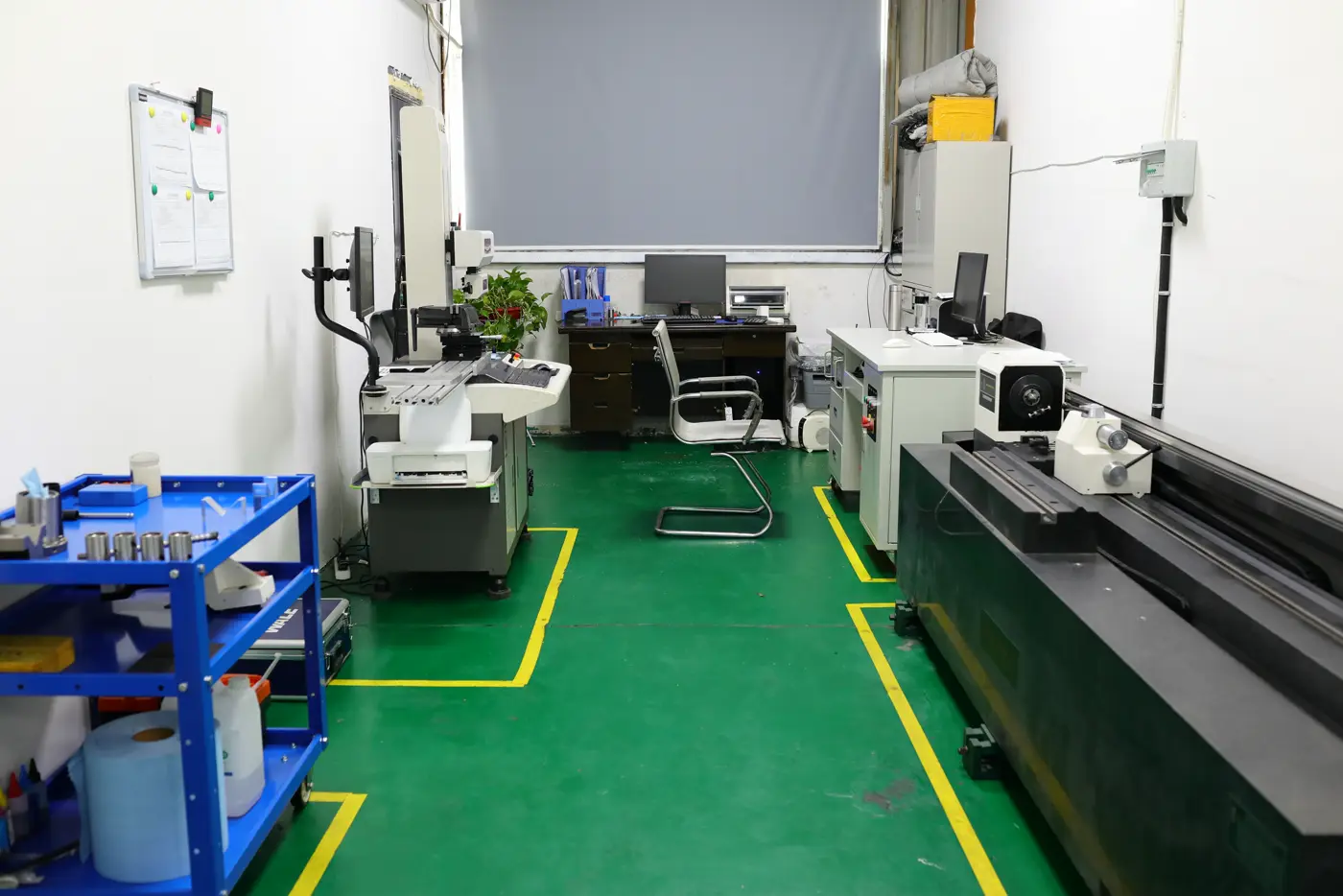
How to Check Ball Screw Quotation Items Before Ordering
After receiving a ball screw quotation, buyers should compare more than unit price and confirm specification, machining, packing, and lead time boundaries.
Send quotation confirmation details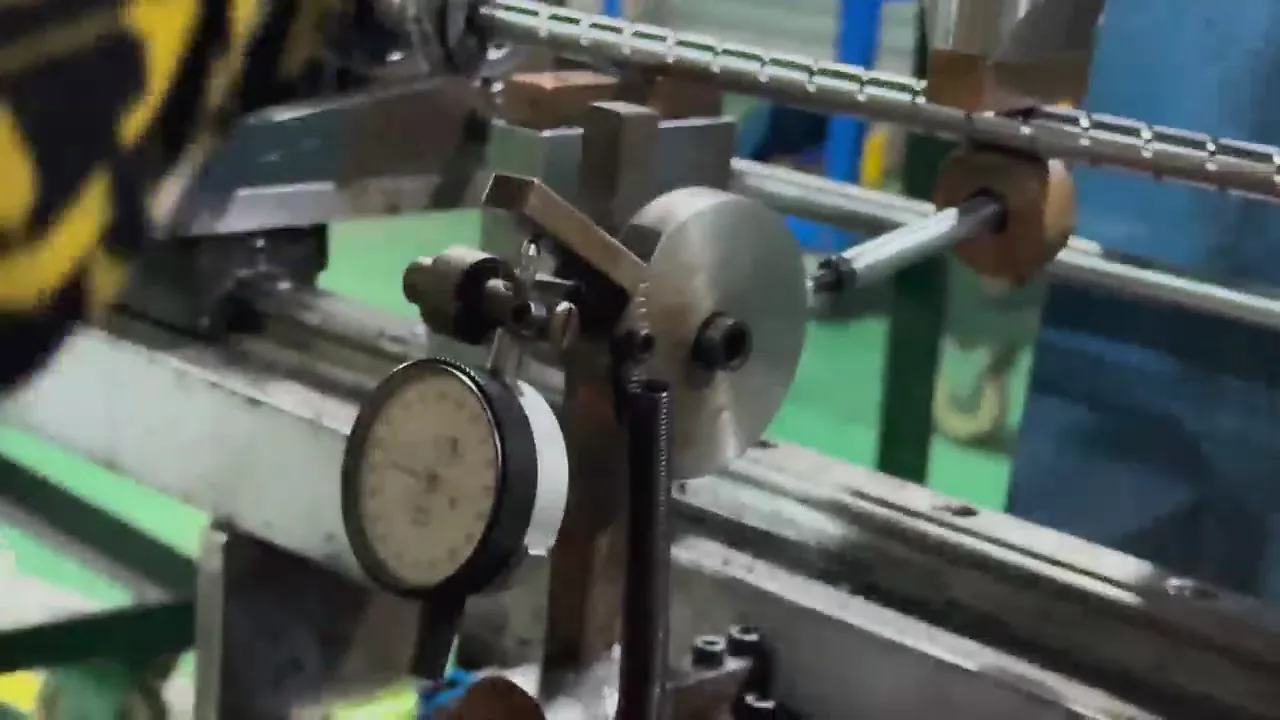
What Information Is Needed for a Custom Ball Screw RFQ
Before requesting a custom ball screw quote, list the drawing, dimensions, accuracy, quantity, and packing requirements.
Open custom RFQ form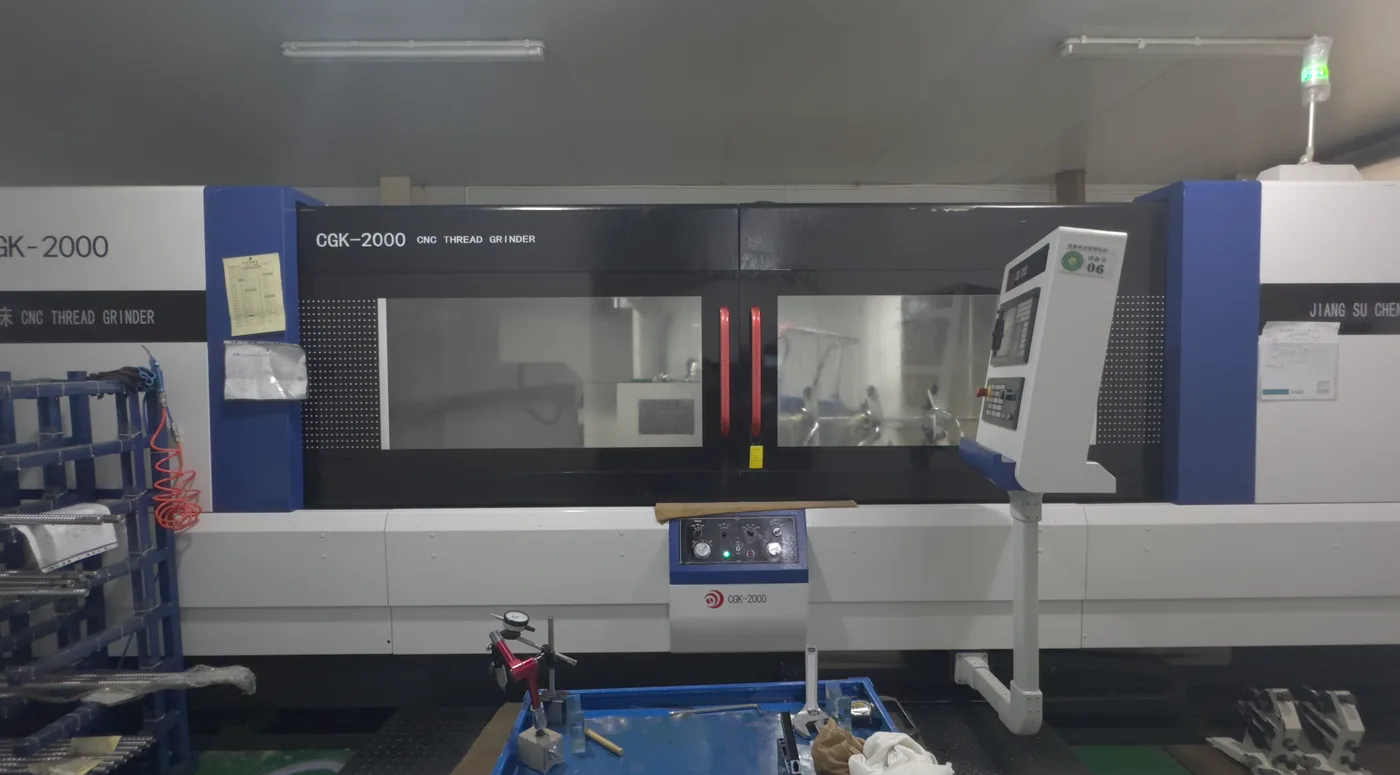
How to Reconfirm Ball Screw Drawing Changes After Quotation
Drawing changes after quotation must reconfirm revision, end dimensions, nut style, and tolerance, and may require a requote.
Send drawing change confirmation