State the real downtime first
An urgent repair ball screw RFQ should state whether the machine has stopped, the latest acceptable arrival date, whether a split shipment is acceptable, and the shipping method. "Very urgent" carries no scheduling information; a concrete date does. For validity and payment terms on a rush order, see how to confirm quotation validity and payment terms.
"Very urgent" tells planning nothing; "must arrive by Friday, and one piece first is fine" sets a priority.
Old-part photos decide how fast the check can go
Old-part photos should cover the whole part, both ends, nut, flange, mounting holes, marking text, support unit and coupling. Without a complete drawing, photos plus key dimensions let the supplier judge whether stock or a cut length can substitute. For preparing an RFQ from photos alone, see how to prepare an RFQ with only old part photos.
What hurts an urgent job is not too much information but one or two missing key dimensions: without them the alternative cannot be confirmed, and the enquiry sits waiting for a reply.
Stock, cut length and end machining are different routes
Stock is usually fastest, a cut length needs the length and packing confirmed, and end machining also needs the support unit, bearing seats, lock thread and coupling end confirmed. The RFQ should state which dimensions must match exactly and which can accept an alternative.
The three routes run on different clocks:
| Route | Precondition | Time scale |
|---|---|---|
| Stock item | Model, overall length, nut match | Fastest, often shipped within days |
| Cut length | Bar stock (4-6 m by model) plus end machining | About 3-7 days depending on machining volume and difficulty |
| Ground to drawing | Complete drawing plus a scheduling slot | About 35-60 days depending on model and quantity |
Most of an urgent job's first half is spent confirming dimensions, and this table is what tells you which route is worth pushing for.
Give the alternative boundary in advance
If the original model cannot arrive in time, state whether the same diameter and lead with a different nut, a different accuracy grade, bars first, or unmachined parts first are acceptable. Any alternative still needs its installation dimensions and application risk checked.
Draw the line like this:
- Must match: installation dimensions (journal, bearing seat length, lock thread), nut flange direction and hole positions, overall length.
- Can relax: accuracy grade (C5 down to C7 if the machine only ever needed C7), packing and labels, inspection report format.
- Cannot relax: the brake arrangement on a vertical axis, or anything tied to the safety factor.
Order decision table
| Urgent repair route | What to send | Lead time effect |
|---|---|---|
| Stock replacement | Model, length, nut style, quantity | Fastest if stock matches. |
| Cut length | Diameter, lead, cut length, nut request | Faster than full custom if ends are simple. |
| End machining | Drawing or old part photos, support unit | Adds machining review and production time. |
| Alternative option | Acceptable model or packing change | May shorten lead time if exact part is unavailable. |
RFQ checklist
- Urgent repair reason, machine downtime, required delivery date, and destination.
- Old part photos, model, diameter, lead, overall length, thread length, nut style, and support unit.
- Stock, cut length, end machining drawing, coupling end, and accuracy requirement.
- Alternative option rules: what can change and what must remain identical.
- Packing, shipment method, shipment photos, and final contact for fast confirmation.
Send us the urgent repair details
Send weimute the old-part photos, required delivery date, and acceptable alternatives in one message. Our manufacturing and sales team can check stock, cut length, and end-machining routes separately so you can choose the fastest workable option.
FAQ
Can urgent repair be quoted from photos only? Photos speed the review, but key dimensions are still needed before production. See how to confirm quote validity and payment terms.
What shortens lead time most? Clear photos, measured dimensions, and a stated alternative boundary. With those three in place there is the least back-and-forth, which is what actually makes a rush job fast.
Can one piece ship first and the rest follow? Yes, provided the carton marks and quantities distinguish the batches. See how to check shipment photos for long ball screws.
Next step
Turn this guide into an RFQ
When the specification direction is clear, send the details below together with quantity, lead time, and packing requirements.
Include these details
- Model, length, quantity, purchase purpose, and target lead time.
- Drawing, sample photos, application parameters, or old-part dimensions.
- Packing, label, inspection, and quotation version to confirm before payment.
Category
Related Technical Guides
Continue with similar buyer questions
Ball Screw Quote Validity and Payment Terms: How to Confirm
Quotation validity is not a formality; quantity, exchange rate, material price, freight, and lead time changes can affect the final order.
Send quotation validity confirmation
How to Check Ball Screw Quotation Items Before Ordering
After receiving a ball screw quotation, buyers should compare more than unit price and confirm specification, machining, packing, and lead time boundaries.
Send quotation confirmation details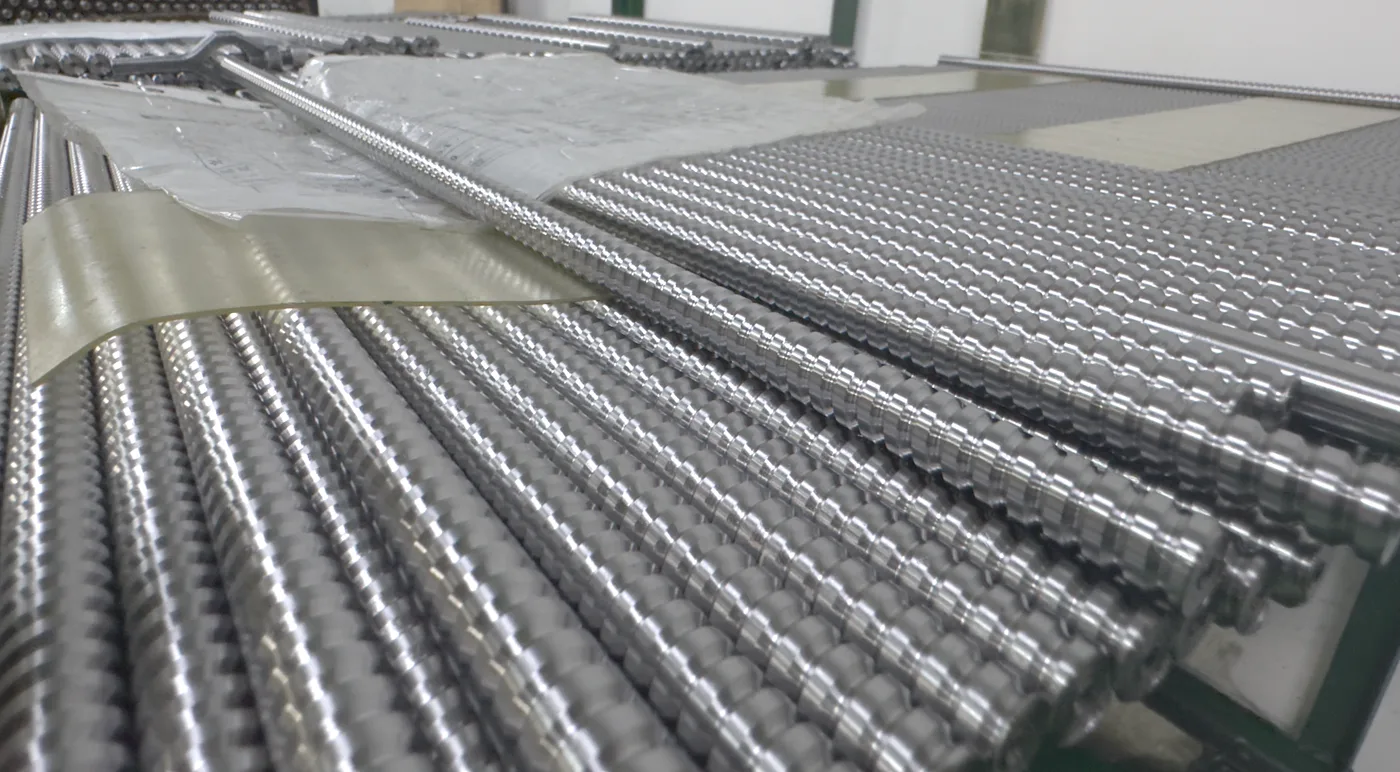
How to Send a Repeat Ball Screw Order RFQ List
Repeat orders still need previous order number, model list, quantity, drawing revision, labels, packing, and a new lead time plan.
Send repeat order list