Rust prevention should follow the transport duration
Rust prevention should be more specific than "protect against rust". The RFQ should state the shipping method, expected transport duration, storage time after arrival, and environment. Sea freight, air freight, and short local transport need different rust prevention periods: sea freight to Europe or the Americas runs into weeks, and with post-arrival storage the protection has to cover the total; air freight arrives in days and allows a lighter treatment; short road transport is mainly about impact and short-term flash rust.
Three figures are enough for us to size the treatment: shipping method, number of transit weeks, and expected storage after arrival. For humid destinations or rainy-season arrival, add the arrival environment: the oil film and desiccant quantity follow it.
Wooden case, hard tube, and carton fit different orders
Short parts or small batches may use carton packing. Long parts or higher-risk transport may need hard tube or wooden case. Wooden case fits long-distance and heavy goods, hard tube protects single or small-quantity long parts, and carton fits light standard parts.
Length decides first: long parts normally go in a hard tube or wooden case, with longer parts favouring a wooden case, and we confirm the exact split from the order length and shipping mode when quoting. Quantity decides next. A single part or a few pieces go in a hard tube; multiple pieces, very long parts or shipments that will be stacked go in a wooden case. Solid-wood export packing normally needs ISPM 15 heat treatment or fumigation with the mark applied, while a plywood case is normally exempt; see the long ball screw export packing scenario.
Distributor labels and long part support should be confirmed together
Distributor orders should state whether distributor labels, neutral labels, carton marks, carton numbers, and batches are needed. Long part support, end protection, nut fixing, and bending prevention support should be written together with the packing method.
Long part support is not "something in the bottom of the case": support points follow the length, with support at both ends and in the middle, and the machined ends and threaded section get their own protection so vibration cannot bruise a fitting surface. For how all of this goes into the RFQ, see how to write export packing for long ball screws.
RFQ checklist
- Rust prevention: protection method, transport duration, sea freight or air freight, and storage time after arrival.
- Packing: carton, wooden case, hard tube, internal fixing, and long part support.
- Labels: distributor labels, neutral labels, model, length, quantity, batch, and carton number.
- Shipment records: packing photos, label photos, loading photos, and carton mark photos.
FAQ
Does a wooden case need fumigation? Solid-wood packing normally needs ISPM 15 treatment with the mark applied; plywood cases are normally exempt. When in doubt, confirm against the destination requirement.
How should the rust prevention period be written? Give the transit weeks plus the storage time after arrival. Two numbers are enough. "Long-term protection" forces us to quote the conservative option, which costs more.
When is a carton still acceptable? Short parts, light standard parts, short transport or air freight. Not for long parts, heavy goods or stacked sea freight, where flash rust and bending risk land on the receiving side.
Next step
Turn this guide into an RFQ
When the specification direction is clear, send the details below together with quantity, lead time, and packing requirements.
Include these details
- Inspection items, dimension records, or photo evidence that must be confirmed.
- Rust prevention, hard tube, carton, wooden case, label, and long-part support requirements.
- Quantity, transport method, destination market, and pre-shipment confirmation needs.
Category
Related Technical Guides
Continue with similar buyer questions
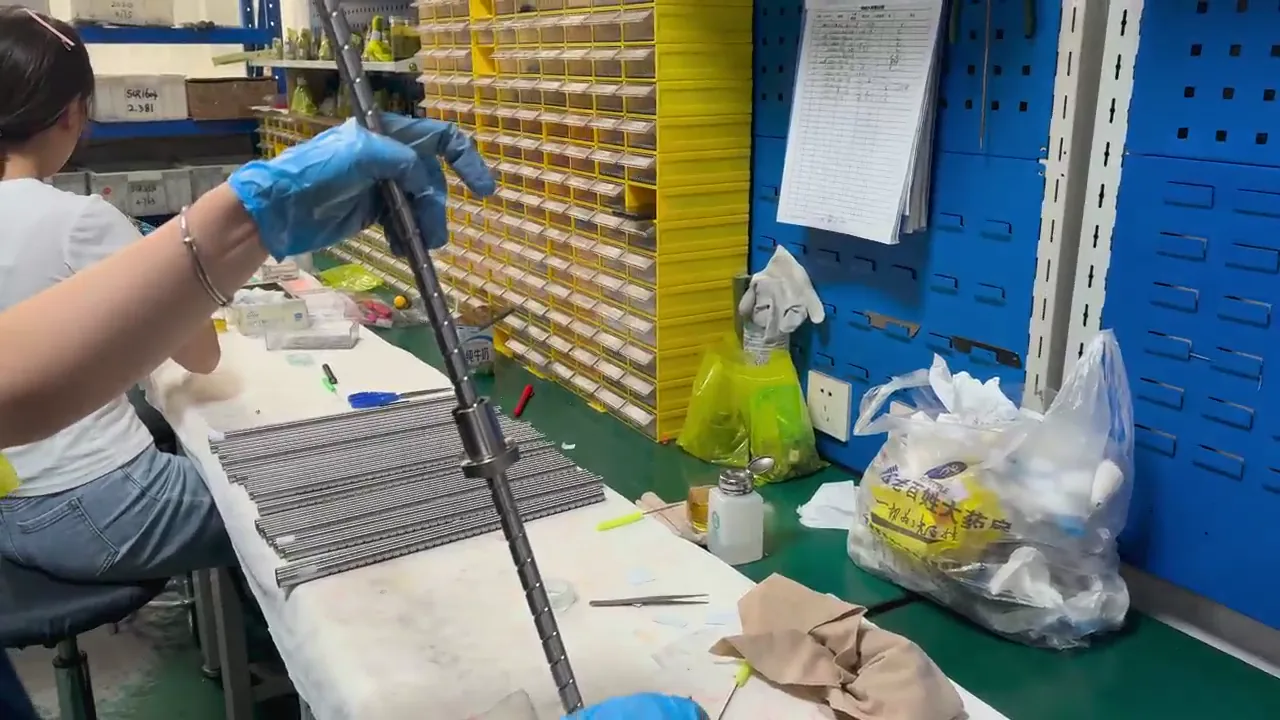
How to Pack Long Ball Screws for Export: Rust Prevention
Long ball screws have higher transport risk, so packing must handle rust, bending, impact, and receiving identification.
Send packing requirements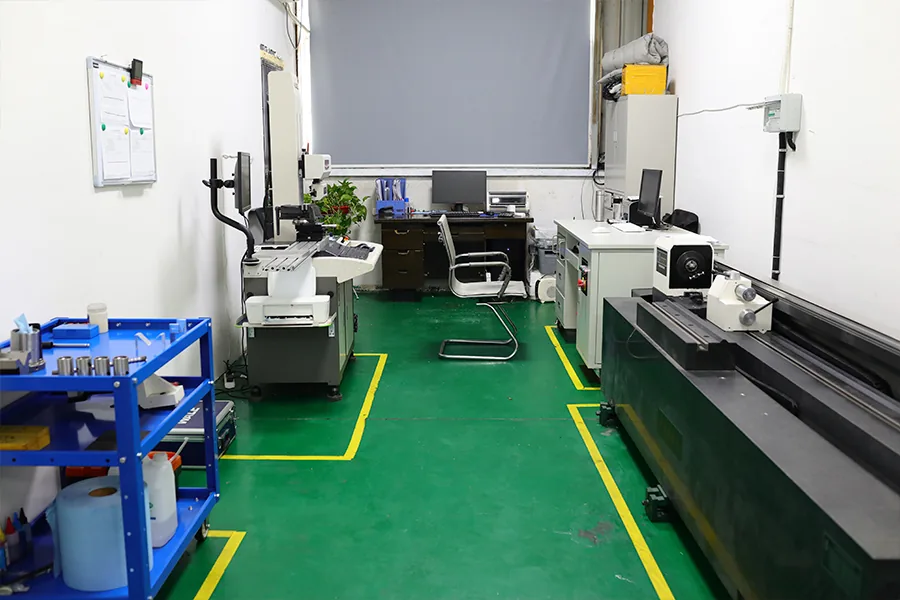
Long Ball Screw Export Packing: Rust, Support, Photos
Shows why rust prevention, support, fixing, and shipment photos should be confirmed before quoting long parts.
Send packing requirements
What Items Should a Ball Screw Inspection Report Include?
State the order, drawing revision, dimensions, tolerances, nut movement, and sampling scope in the inspection-report requirements.
Send inspection report request