Shipment photos should verify the order
Shipment photos should not be only one picture of a box. Buyers should be able to check model, length, quantity, nut quantity, label content, and packing condition. Distributor orders should also confirm customer labels and carton marks.
Whether the photos can verify anything depends on the reference in the frame. Three practical requirements:
- Put a tape measure next to the length shot, scale facing the camera. Without a tape, a long-part photo only supports a guess.
- Photograph the model marking separately, legibly. It provides a direct reference for checking the ordered model.
- Face the label at the camera, not at an angle and not obscured.
Product and label photos should be separate
Ask for product photos, label photos, carton marks, end protection photos, bending prevention support photos, and packing photos. For long ball screws, check whether support positions are enough and whether the ends and nuts are fixed.
Give the shooting order with the request so the set can be matched: full part with tape, model marking, nut and flange, both ends with protection, individual packing, internal support in the case, carton marks, then the sealed carton. For how long-part packing is built, see how to write export packing for long ball screws.
Packing photos reveal transport risk
Packing photos can show whether the carton, hard tube, or wooden case has internal support, whether the product can move, whether the ends may be hit, and whether long parts have bending prevention support. Quantity check photos also help pre-shipment records.
Three photo types should be retaken when the key information is missing: a length shot with no tape, an illegible label, and a packing shot where the internal support points cannot be seen. Those three are exactly what is hardest to prove in an arrival dispute, and retaking them before sealing costs far less than negotiating after arrival.
RFQ checklist
- Product photos: full part, ends, nut, machined positions, and appearance.
- Label photos: model, length, quantity, batch, customer labels, and carton marks.
- Packing photos: end protection, bending prevention support, packing photos, and sealed carton condition.
- Quantity check: quantity per carton, total cartons, nut quantity, and split shipment status.
FAQ
Is one outer box photo enough? No. It only shows outside packing; product, label, end protection, and internal support photos are needed to judge receiving risk.
Are photos the same as an inspection report? No. Photos evidence appearance, labels, packing and quantity; accuracy and clearance need measured data. See how to read an inspection report.
What matters with a split shipment? Every batch needs its own photo set and quantity check, and the carton marks have to distinguish the batches, otherwise there is no way to tell which batch is short.
Next step
Turn this guide into an RFQ
When the specification direction is clear, send the details below together with quantity, lead time, and packing requirements.
Include these details
- Inspection items, dimension records, or photo evidence that must be confirmed.
- Rust prevention, hard tube, carton, wooden case, label, and long-part support requirements.
- Quantity, transport method, destination market, and pre-shipment confirmation needs.
Category
Related Technical Guides
Continue with similar buyer questions
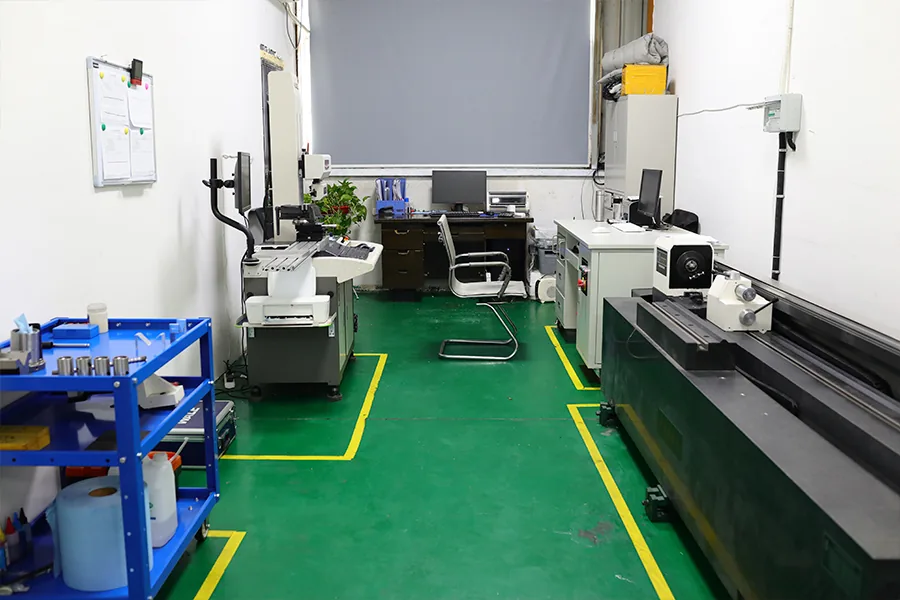
Long Ball Screw Export Packing: Rust, Support, Photos
Shows why rust prevention, support, fixing, and shipment photos should be confirmed before quoting long parts.
Send packing requirements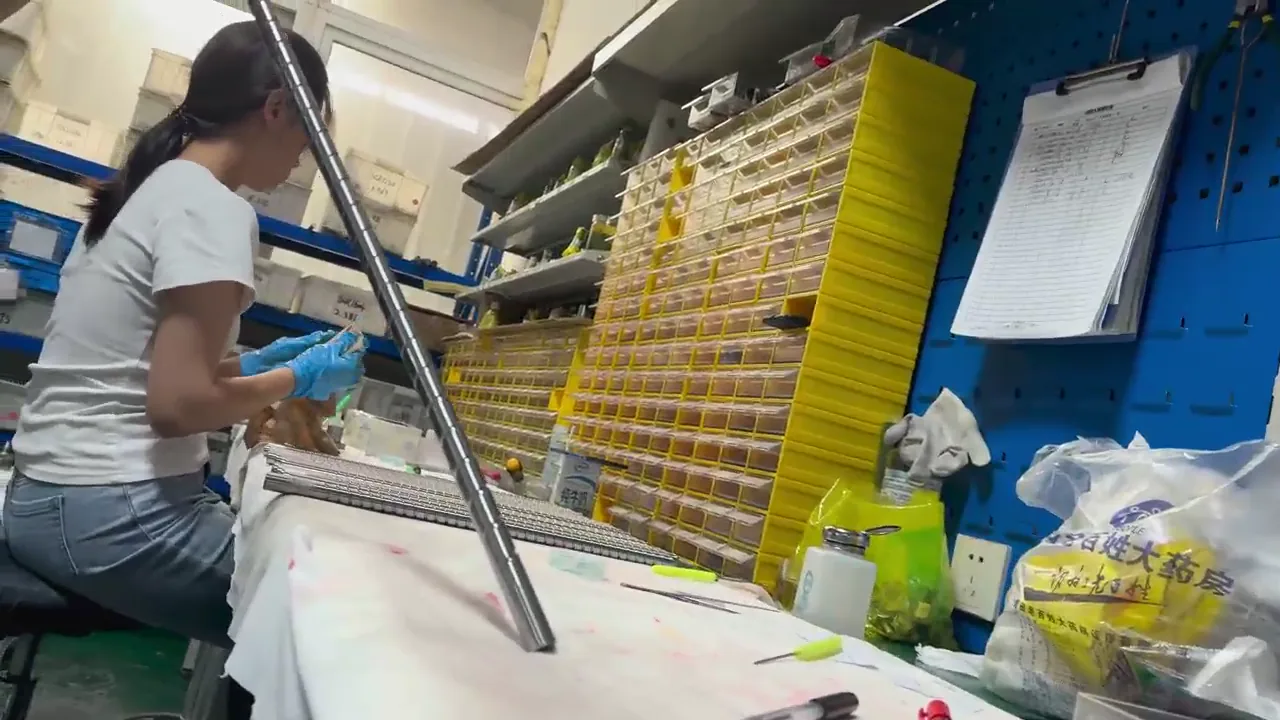
How to Store Ball Screws and Prevent Rust
On receipt, check rust protection, multi-point support, humidity, labels, and FIFO records for long ball screws.
Send stock packing requirements
How to Add Wooden Case and Hard Tube Packing to a Ball Screw RFQ
State transit duration, shipping method, rust prevention, wooden-case or hard-tube choice, and label requirements in the RFQ.
Send packing purchase request