
Quality and Packing
How to Read a Ball Screw Inspection Report
Read an inspection report against its acceptance criterion, measurement basis, and sampling scope before writing the RFQ requirements.
Send quality inspection requirementsGuide categories
Check inspection records, packing protection, rust prevention, and export transport risks.
An inspection report answers whether the screw was made as ordered: dimensions, end runout, nut movement, backlash or preload, and the acceptance criterion behind each line. Shipment photos answer whether the right batch left the factory: the model marking, length, quantity, label content, end protection and the support inside the case. Neither record replaces the other. To check an order before it arrives, take part of the answer from each, because whichever one is missing leaves something you cannot argue from later.
A report is only usable when every line carries a criterion. State the measuring basis, the instrument, the sampling scope (sample check or full check, and which batch it covers), and the drawing revision or accuracy grade the values are judged against. Without a basis, a value cannot be accepted at receiving or discussed afterwards. Photos follow the same rule: a tape measure in the length shot with the scale facing the camera, a separate legible photo of the model marking, the label square to the lens, and a packing shot in which the internal support points are visible. Without these conditions a photo proves appearance, not transport risk.
The rust prevention plan follows the shipping method and the storage after arrival. Sea freight plus a period in the warehouse means the protection has to cover both; air freight arrives sooner, so the treatment can be lighter. Put those conditions into the inquiry, otherwise the oil film and desiccant can only be chosen on the cautious side. For long parts the job is support, not coverage: support points placed along the length, at both ends and in the middle, with machined ends and thread sections protected separately so that transport vibration does not bruise a fitting surface.
Packing type and label rules are worth settling at the same time. Light standard parts can travel in cartons, while long parts or heavy goods usually land in a hard tube or a wooden case; solid-wood packing brings a treatment requirement and needs a mark, and a plywood case is handled differently, so confirm against the destination rules. Distributor orders need neutral or customer labels in two common situations: the local warehouse runs its own part-number system, or the supplier brand should not appear on the outer carton. State the label position, language, fields and any barcode requirement, and make the model, quantity and batch on the carton mark match what is actually inside.
Read an inspection report against its acceptance criterion, measurement basis, and sampling scope before writing the RFQ requirements.
Send quality inspection requirements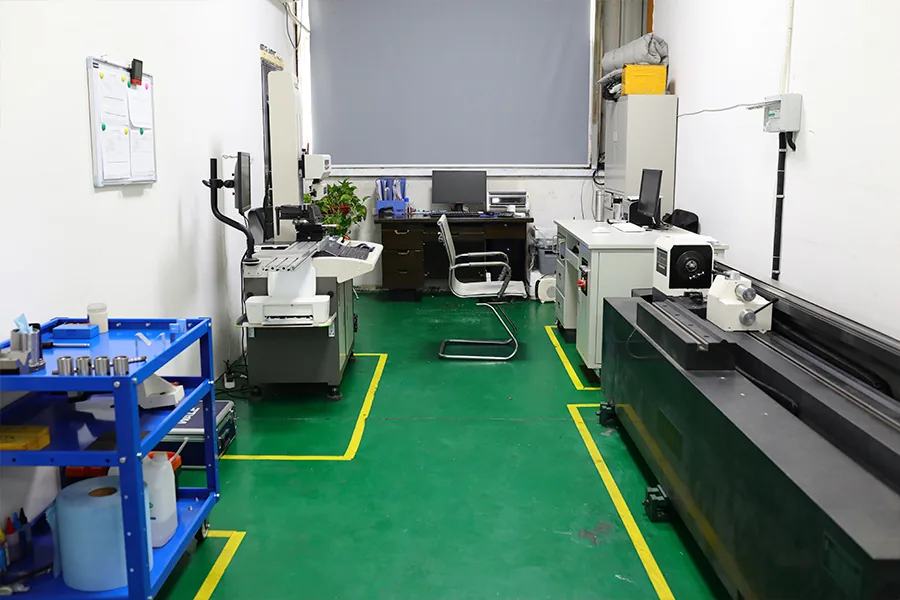
State the order, drawing revision, dimensions, tolerances, nut movement, and sampling scope in the inspection-report requirements.
Send inspection report request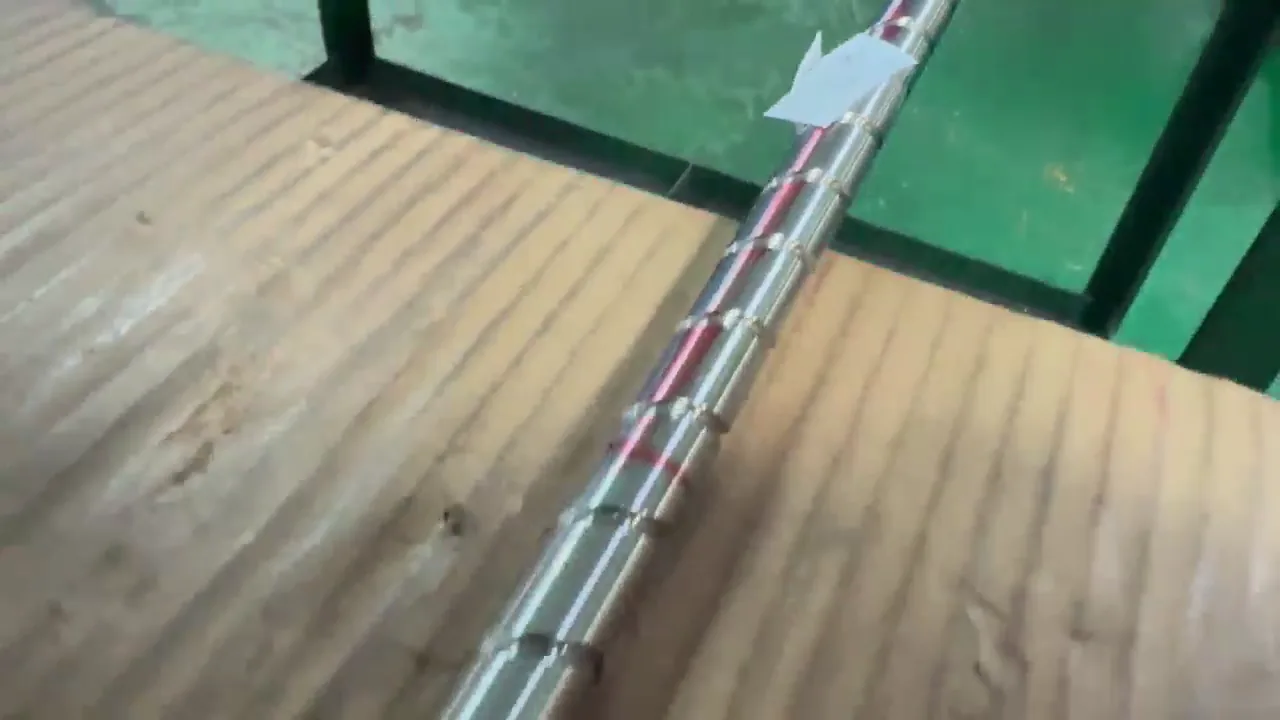
Use shipment photos to verify model, quantity, labels, end protection, long-part support, and packing condition.
Send shipment photo request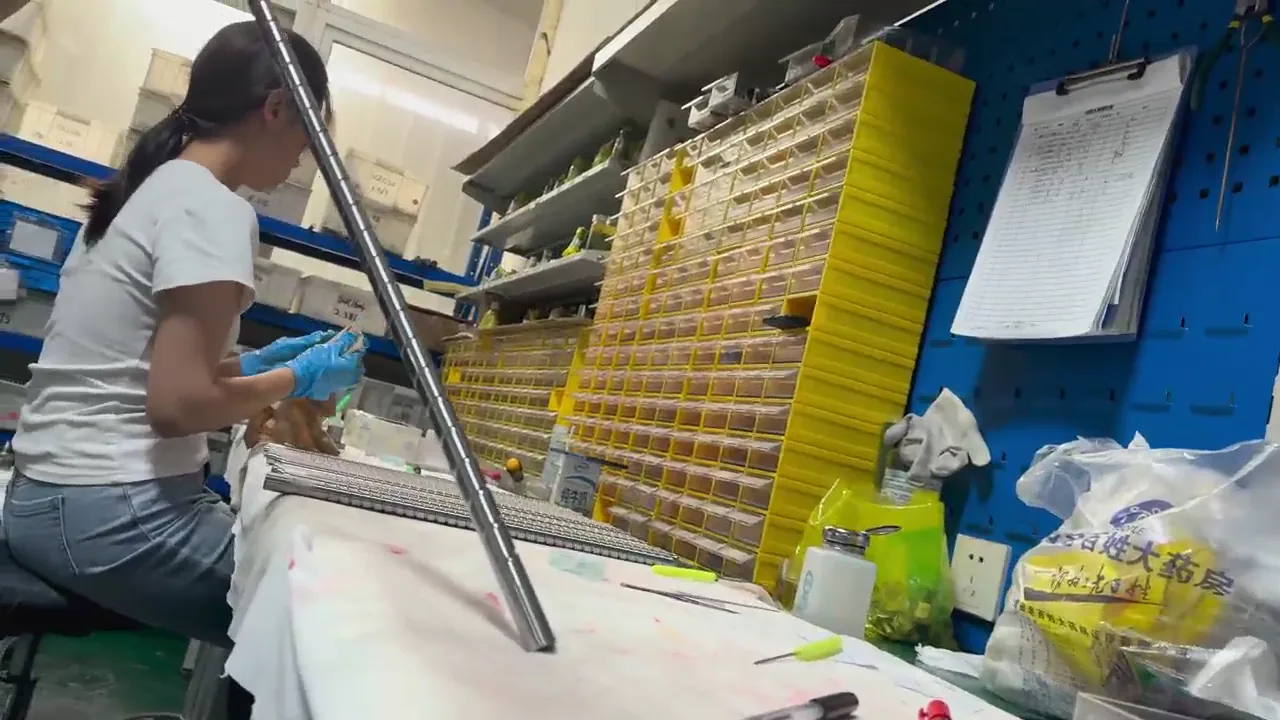
State transit duration, shipping method, rust prevention, wooden-case or hard-tube choice, and label requirements in the RFQ.
Send packing purchase request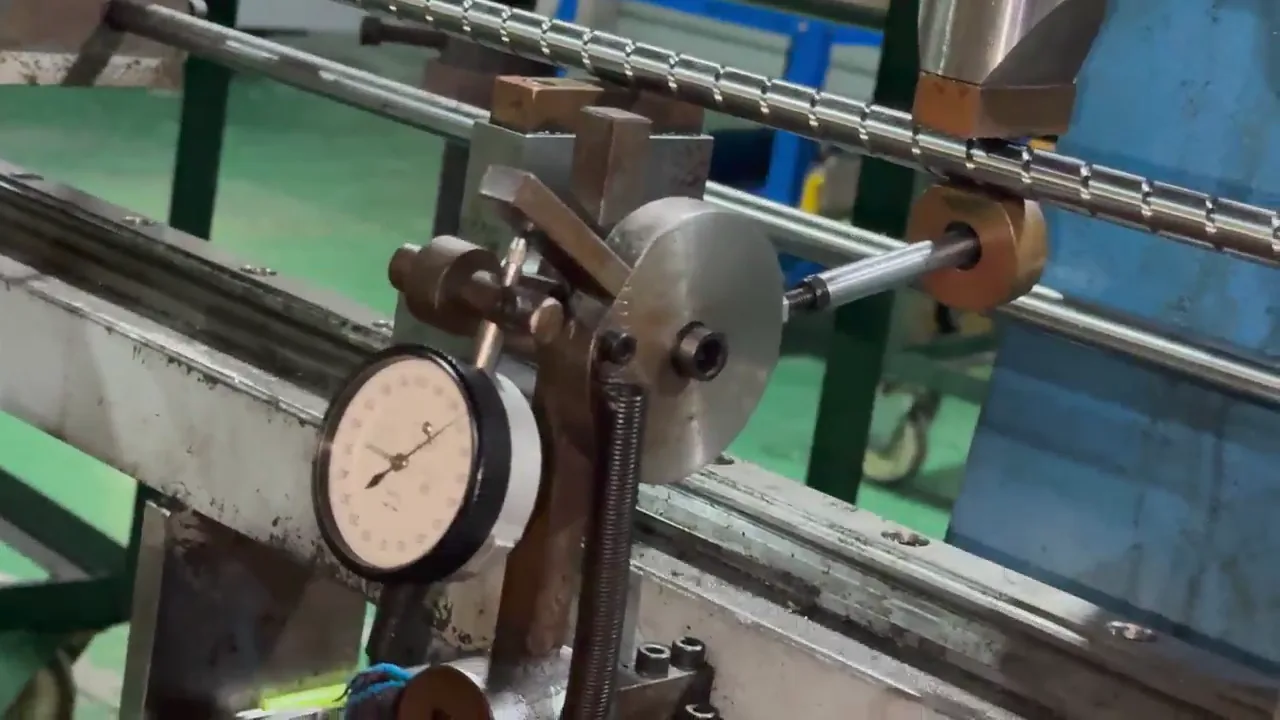
On receipt, check rust protection, multi-point support, humidity, labels, and FIFO records for long ball screws.
Send stock packing requirements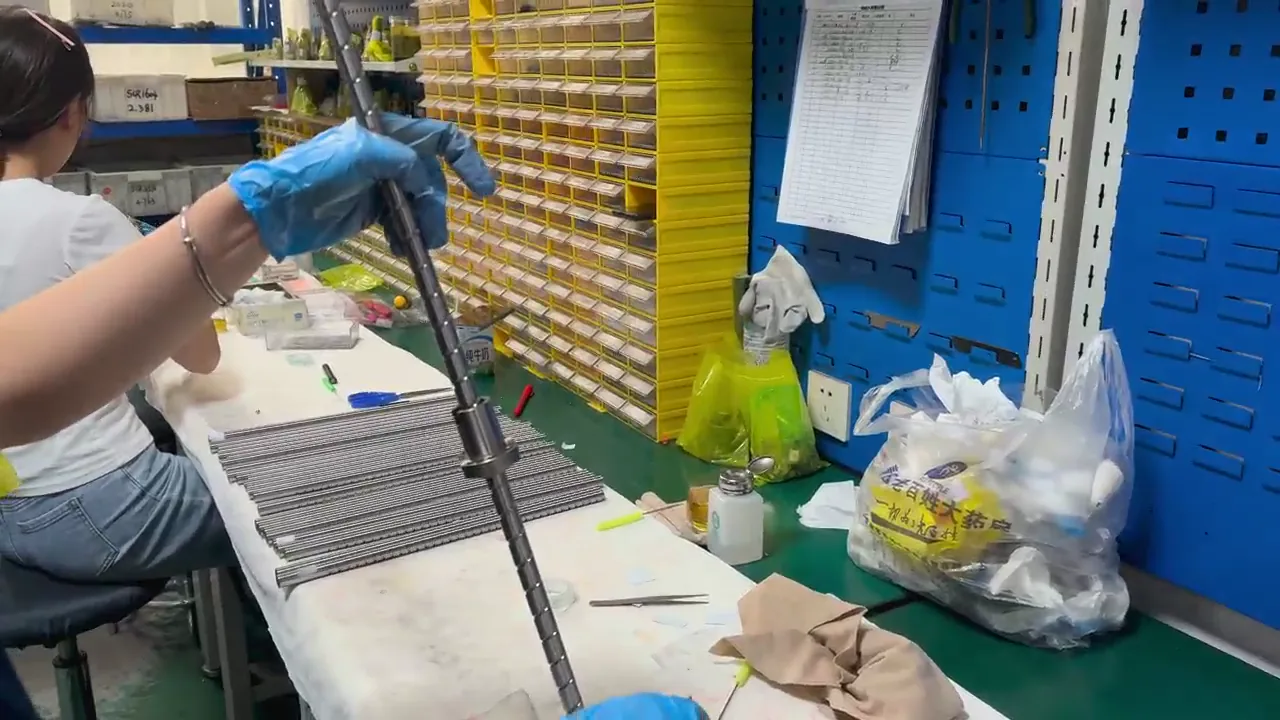
Long ball screws have higher transport risk, so packing must handle rust, bending, impact, and receiving identification.
Send packing requirements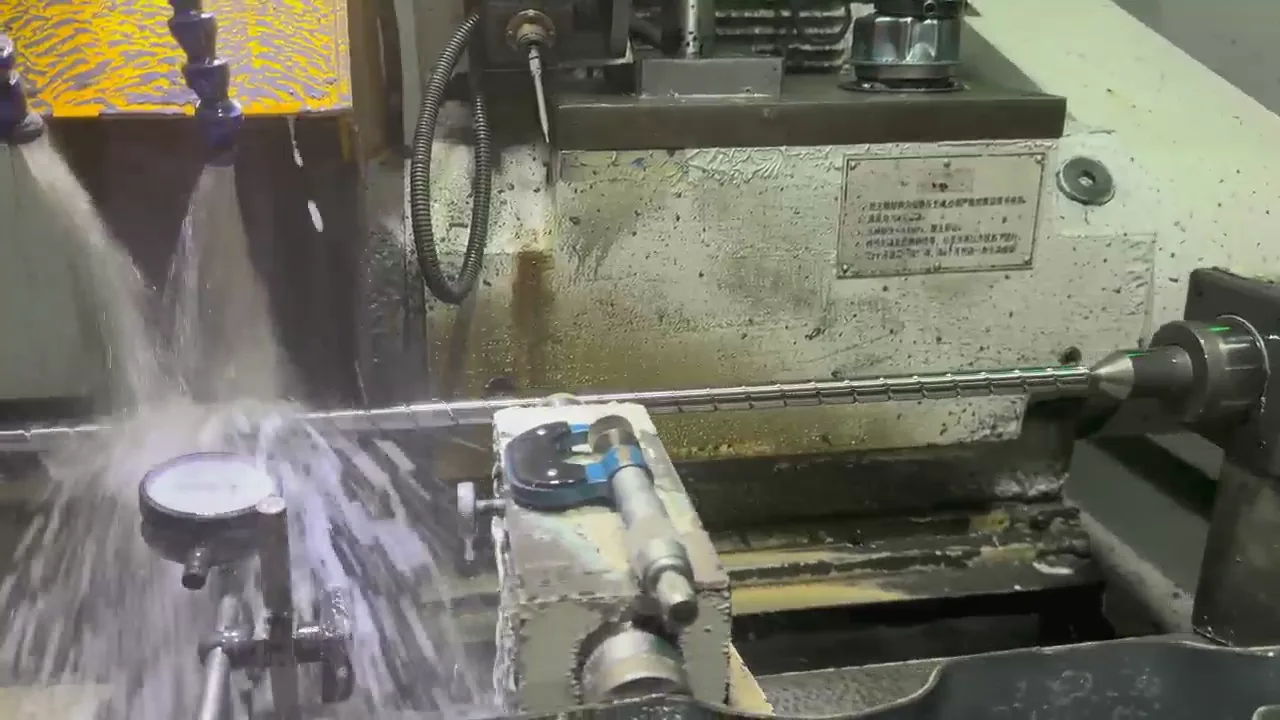
Shows why rust prevention, support, fixing, and shipment photos should be confirmed before quoting long parts.
Send packing requirementsGuide categories
Send the model, length, quantity, application, or old-part photos. We will review the specification against the actual machine and use case.
Write these into the inquiry or the order confirmation, so the delivery can be checked line by line against documents and photos instead of being discovered at assembly.
FAQ
These three decide how smoothly inspection and receiving go, and the earlier they are raised the more room there is to adjust.
No. A report corresponds to the samples listed and the time of inspection. To cover a batch, agree the sampling scope or the full-check items in the inquiry and state which batch they cover, so the receiving check has something to stand on.
Yes. Photos answer model, quantity, label and packing condition. Inspection data answers dimensions, runout and nut movement. They cover different receiving risks, and keeping only one leaves a gap that is hard to argue from.
Fields and position, not compliance. Neutral or customer labels serve a local part-number system and brand control. The model, quantity and destination on the carton mark still have to match the customs documents, and a mismatch there is the real clearance risk.
+8615268772262
Leave your question or requirement and we will continue in WhatsApp.
Continue in WhatsApp