Bar stock mainly risks rust and bending
Ball screws are usually long. If support is poor, humidity is high, or packing is damaged, rust, bending, or surface damage can occur. Distributor stock should treat rust prevention and support as basic requirements.
Check five things on arrival; missing one compounds later:
- Packing damage: a torn outer wrap, a dented hard tube or water in a wooden case should be recorded and handled on the spot, not traced back after the goods are put away.
- The rust-prevention layer: check that the oil film or bag is intact and not dried out or wiped away.
- Support arrangement: whether long parts sit horizontally on multiple support points with no unsupported span.
- Label records: model, length, nut quantity and batch all present.
- Warehouse humidity: control relative humidity and avoid condensation; set the threshold from the rust-prevention product supplier's guidance and the local climate.
For how distributors order long bars and common stock, see how to order ball screws for distributor stock.
Labels prevent model mix-ups
Models such as 1605, 1610, 2005, and 2510 can look similar. Without clear labels, warehouses and customers can mix them up. Keep model, length, nut quantity, and batch on packing and records.
Zoning by model beats stacking by arrival date: gathering one model together stops pickers choosing by lookalike wrapping, and makes stock counting easier.
Storage affects later machining
If the bar will later be cut or end machined, straightness and surface condition matter. Long-term stock should avoid side pressure, unsupported spans, and humid environments.
Support points follow the length, with support at both ends and in the middle; keep long parts off the floor so ground moisture does not attack the packing directly. Bars approaching the protection period stated by the product supplier should be re-inspected and re-coated as needed. Rust prevention has a service life, it is not applied once and forgotten.
For export packing requirements, see how to pack long ball screws for export; for how the protection period is chosen, see writing rust prevention and packing into the RFQ.
RFQ checklist
- Confirm anti-rust oil, bag, or other protection.
- Support long bars horizontally and avoid local hanging.
- Record model, length, nut, and batch on labels.
- Use FIFO management to reduce long storage time.
FAQ
Can original bars be stored long-term in the arrival packing? Not directly. First check packing damage, rust protection, support method, label records, and warehouse humidity, then manage stock by FIFO to reduce rust, bending, and model mix-up risks.
How long does the protection last? Rust prevention has a service life: choose it for the transport and storage period, then re-inspect and re-coat. Check stock once it approaches the period the product supplier states.
Can slightly rusted stock still be used? It depends on the location and depth. Flash rust on the threaded section or on fitting surfaces (journals, bearing seats) cannot simply be wiped off. Assess it before deciding whether to downgrade the part.
Next step
Turn this guide into an RFQ
When the specification direction is clear, send the details below together with quantity, lead time, and packing requirements.
Include these details
- Inspection items, dimension records, or photo evidence that must be confirmed.
- Rust prevention, hard tube, carton, wooden case, label, and long-part support requirements.
- Quantity, transport method, destination market, and pre-shipment confirmation needs.
Category
Related Technical Guides
Continue with similar buyer questions
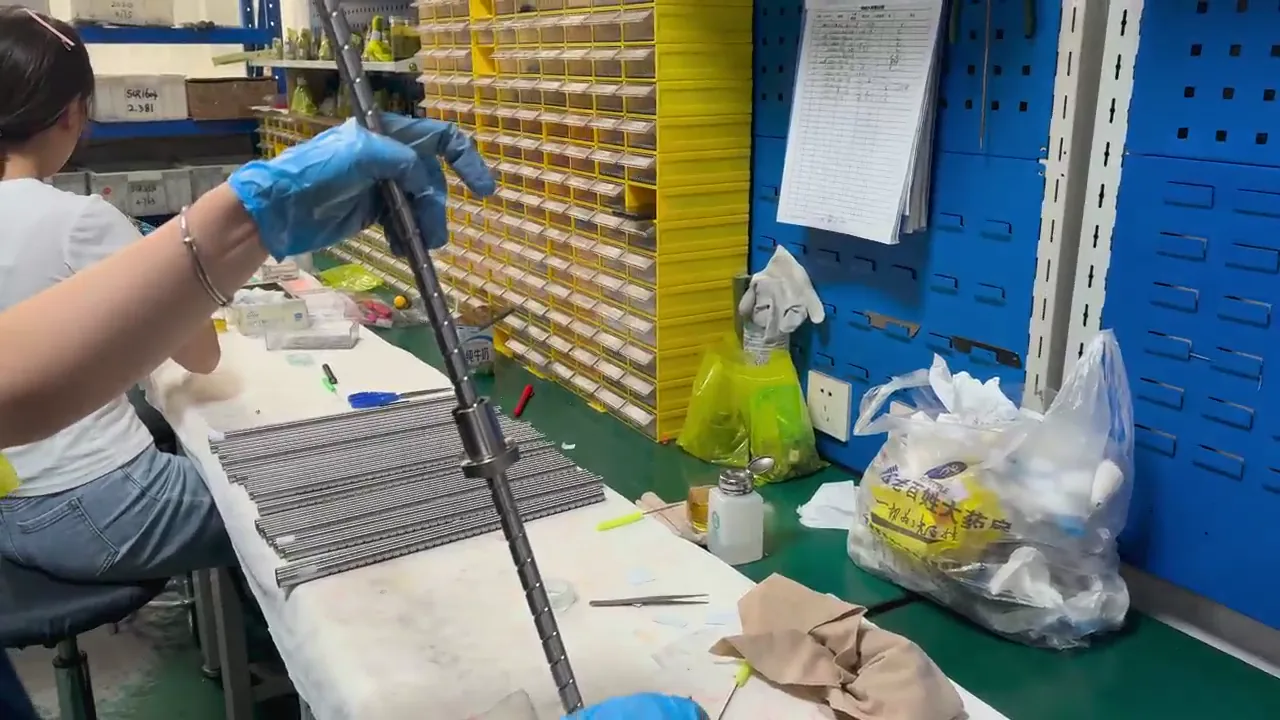
How to Pack Long Ball Screws for Export: Rust Prevention
Long ball screws have higher transport risk, so packing must handle rust, bending, impact, and receiving identification.
Send packing requirements
Long Ball Screw Export Packing: Rust, Support, Photos
Shows why rust prevention, support, fixing, and shipment photos should be confirmed before quoting long parts.
Send packing requirements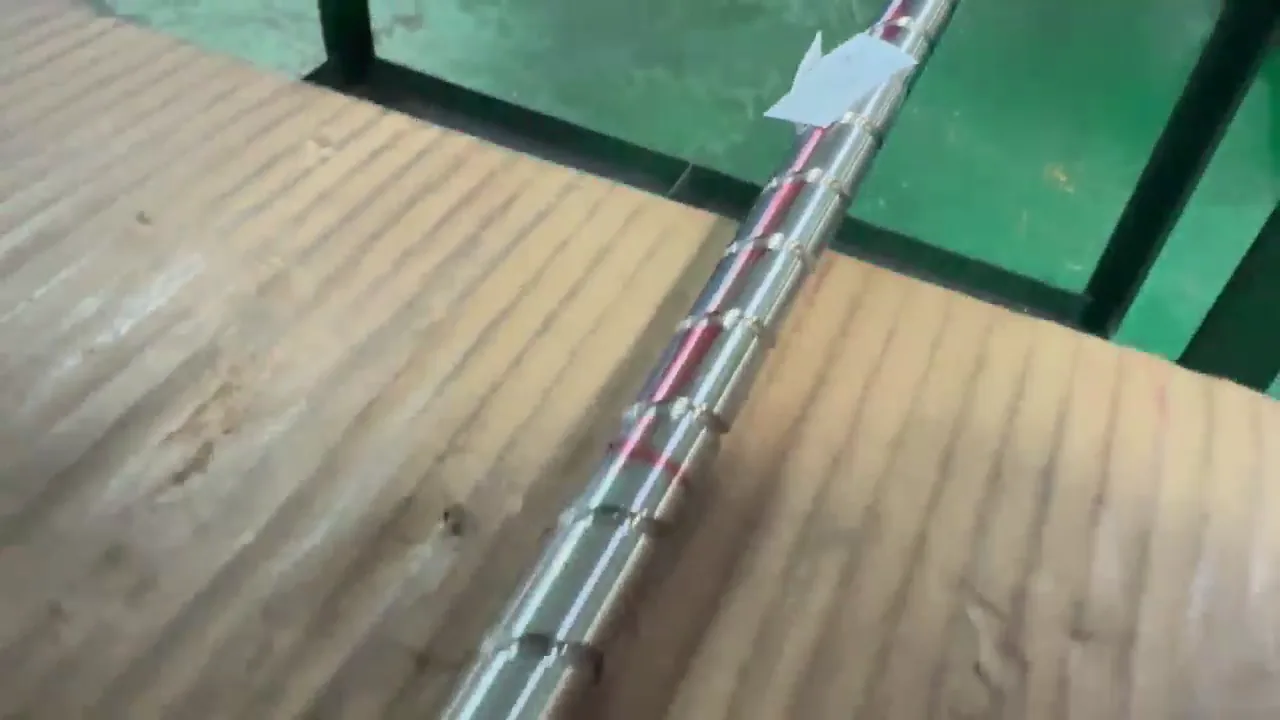
How to Check Shipment Photos for Long Ball Screws
Use shipment photos to verify model, quantity, labels, end protection, long-part support, and packing condition.
Send shipment photo request