The inspection report should match the actual order
A ball screw inspection report should not only say passed. Buyers can ask the report to show order number, model, quantity, drawing revision, or sample requirement so receiving and after-sales records remain traceable.
Without those four fields the report only proves that something in some batch passed, not that it was your batch, made to this revision of the drawing. Custom and end machined orders are most exposed here: if the drawing moved on a revision while the report references the previous one, neither side has cover in a dispute.
List the key dimensions clearly
Common inspection items include overall length, thread length, end dimensions, bearing journals, lock threads, shoulder positions, nut movement, appearance, pre-packing condition, and tolerance range. Custom or end machined orders should pay special attention to end dimensions.
Write the dimensional items as three columns: item, measured value, criterion. A report with measured values but no tolerance or drawing reference cannot be released against anything on arrival; how to read the criteria is covered in how to read a ball screw inspection report.
Functional and appearance items belong there too
Beyond dimensions, two groups decide whether the screw can go straight onto a machine:
- Functional items: whether nut movement is smooth across full travel, any abnormal noise, and whether the backlash or preload requirement is met.
- Appearance and cleanliness: dents or rust spots on the threaded section, and whether cleaning and anti-rust treatment were done before shipment.
For end machined orders the dimensional items map to the end drawing. Check the journal, bearing seat length, lock thread, undercut and keyway one by one; the recording method is in how to measure end machining dimensions.
Photo records are easier to review than text only
For repair replacement, distributor stock, or machine assembly orders, request photo records of key dimensions, nut movement photos or short video, appearance photos, and pre-packing photos for review before arrival.
Put a measuring tool in the frame: a diameter photo with the caliper reading visible is far harder to approximate than a number typed into a table.
RFQ checklist
- Inspection report fields: order number, model, quantity, drawing revision, and inspection date.
- Dimension items: overall length, thread length, end dimensions, bearing journals, and key tolerance.
- Function items: nut movement, backlash or preload request, appearance, and cleaning condition.
- Photo records: key dimensions, nut movement, product appearance, and pre-packing condition.
FAQ
Does every order need an inspection report? Standard stock can use agreed sampling or photo records; custom, end machined, and high-accuracy orders should confirm key dimensions by order.
How should sampling be agreed? Write the rate into the order: for example batch sampling for standard parts, key dimensions per piece for custom parts. Without it, the two sides usually mean different things by "checked".
Is a "passed" statement enough? No. At minimum the order number, the items, the measured values and the criteria have to be visible; a conclusion alone cannot be re-checked on arrival.
Next step
Turn this guide into an RFQ
When the specification direction is clear, send the details below together with quantity, lead time, and packing requirements.
Include these details
- Inspection items, dimension records, or photo evidence that must be confirmed.
- Rust prevention, hard tube, carton, wooden case, label, and long-part support requirements.
- Quantity, transport method, destination market, and pre-shipment confirmation needs.
Category
Related Technical Guides
Continue with similar buyer questions
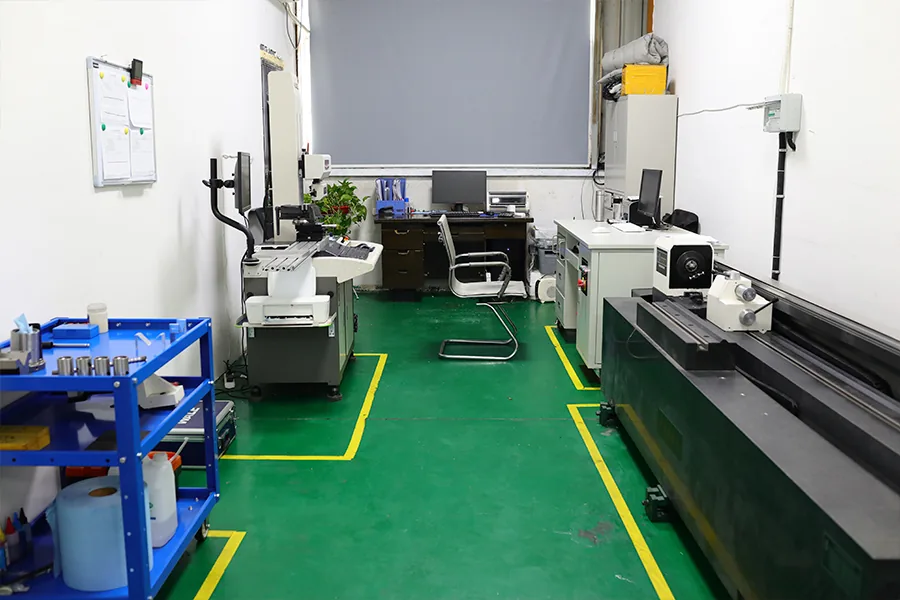
How to Read a Ball Screw Inspection Report
Read an inspection report against its acceptance criterion, measurement basis, and sampling scope before writing the RFQ requirements.
Send quality inspection requirements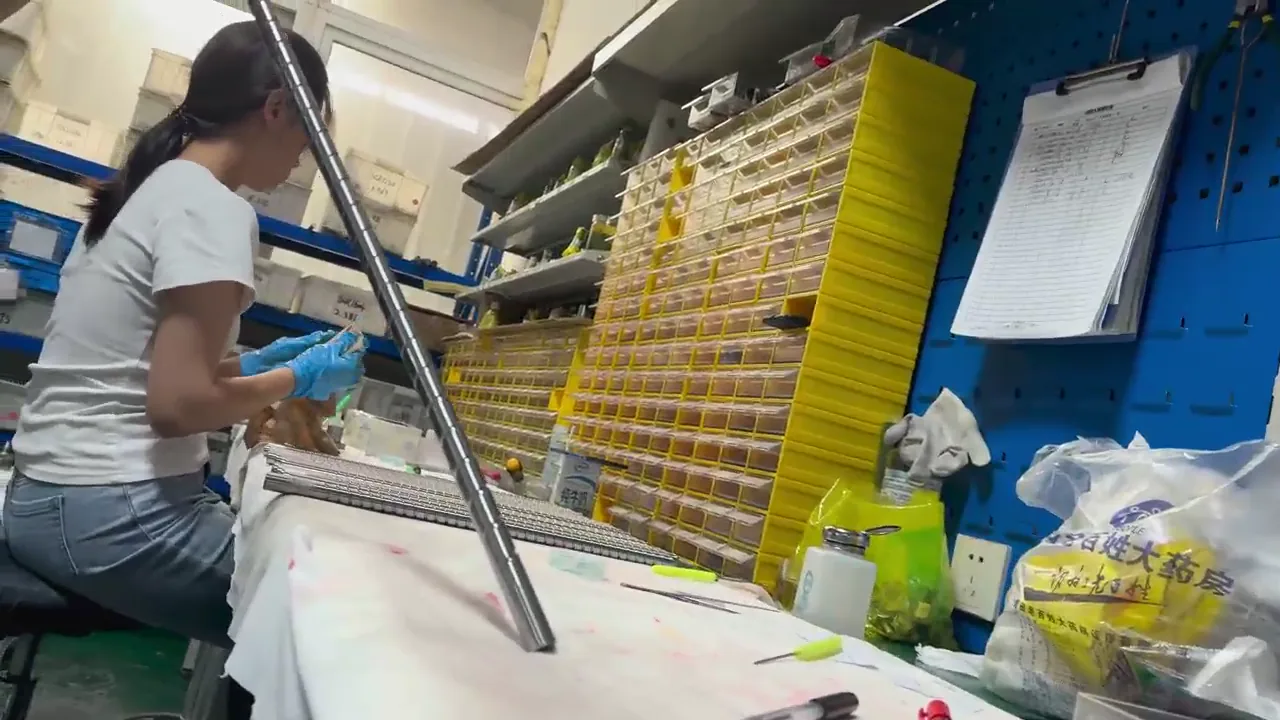
How to Add Wooden Case and Hard Tube Packing to a Ball Screw RFQ
State transit duration, shipping method, rust prevention, wooden-case or hard-tube choice, and label requirements in the RFQ.
Send packing purchase request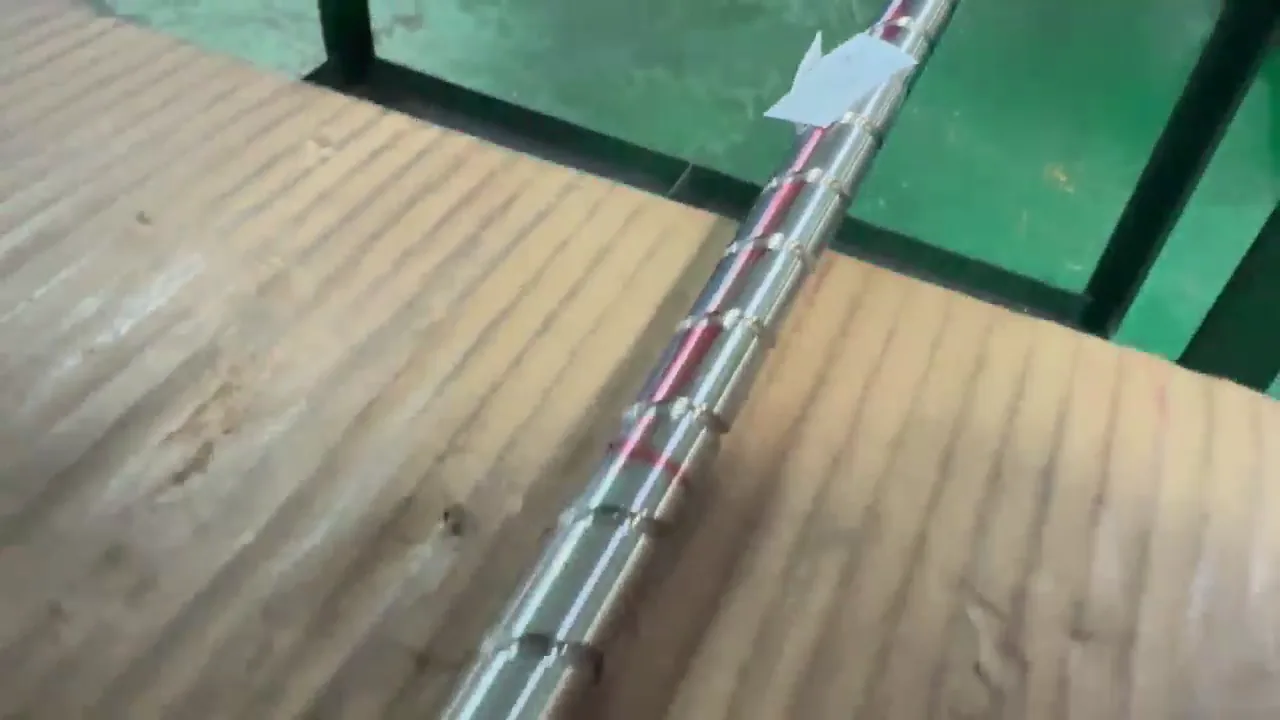
How to Check Shipment Photos for Long Ball Screws
Use shipment photos to verify model, quantity, labels, end protection, long-part support, and packing condition.
Send shipment photo request