Order decision table
| Order stage | What to confirm | Buyer decision |
|---|---|---|
| Sample | Model, drawing, quantity, inspection report | Check fit, quality, and approval process. |
| First order | First order quantity, labels, packing, lead time | Move from trial to controlled batch. |
| Batch supply | Monthly quantity, replenishment rhythm, forecast | Plan price, production lots, and stock. |
| Repeat improvement | Feedback, changed drawing, after-sales record | Improve the next RFQ plan. |
What distributors and OEMs check differently
Distributors care more about fast-moving stock, labels, packing and replenishment rhythm; OEMs care more about drawing revision, inspection report, batch consistency and stable lead time. The RFQ plan should state the focus by customer type.
RFQ checklist
- Sample purpose, model, drawing revision, accuracy, end machining, nut style, and inspection report.
- First order quantity, monthly quantity, batch forecast, replenishment rhythm, and delivery rhythm.
- Labels, unbranded packaging, carton marks, shipment photos, and destination country.
- Approval process, feedback window, payment terms, and target date for batch order.
Send us your sample-to-batch plan
Send weimute the sample target, first order quantity, monthly quantity, label rules, and batch forecast. Our manufacturing and sales team can quote the sample while keeping the later repeat-supply plan in view.
FAQ
Should sample price and batch price be the same? Not always. Batch quantity, labels, packing, and replenishment rhythm can change cost. For repeat supply, see how to send a repeat ball screw order RFQ list.
When should I discuss monthly quantity? Discuss it before the first order if repeat supply is likely, so production and pricing can be planned earlier.
Four checkpoints from sample to batch order
- Confirm sample dimensions, nut fit, and end machining.
- Confirm inspection points, packing, and labels.
- Validate installation, running, and actual lead time with a small batch.
- Lock revision, quantity, and repeat-order standard for production.
Submit the sample and batch plan through the RFQ form.
Next step
Turn this guide into an RFQ
When the specification direction is clear, send the details below together with quantity, lead time, and packing requirements.
Include these details
- Model, length, quantity, purchase purpose, and target lead time.
- Drawing, sample photos, application parameters, or old-part dimensions.
- Packing, label, inspection, and quotation version to confirm before payment.
Category
Related Technical Guides
Continue with similar buyer questions
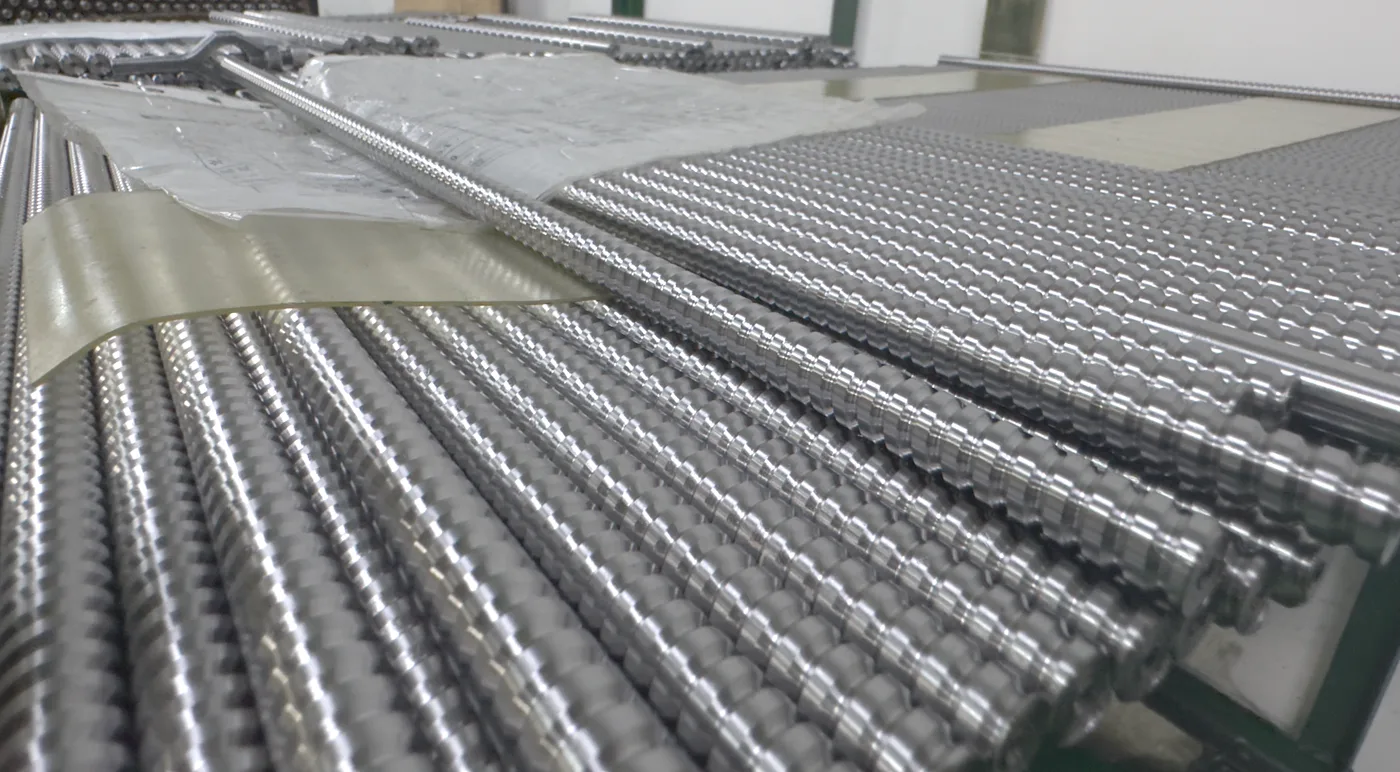
How to Send a Repeat Ball Screw Order RFQ List
Repeat orders still need previous order number, model list, quantity, drawing revision, labels, packing, and a new lead time plan.
Send repeat order list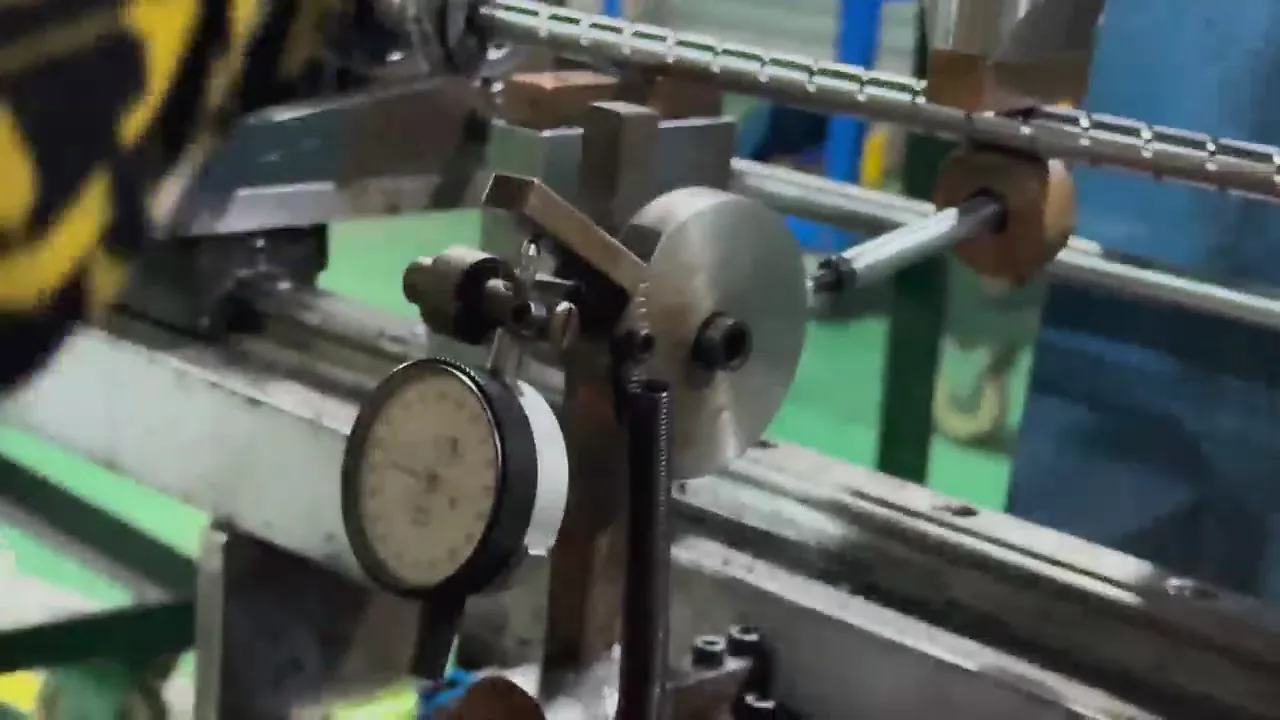
Standard Ball Screws First RFQ Email: What to Write
In the first RFQ email, state the purchase type, model, length, nut, quantity, packing, and required lead time.
Open standard parts RFQ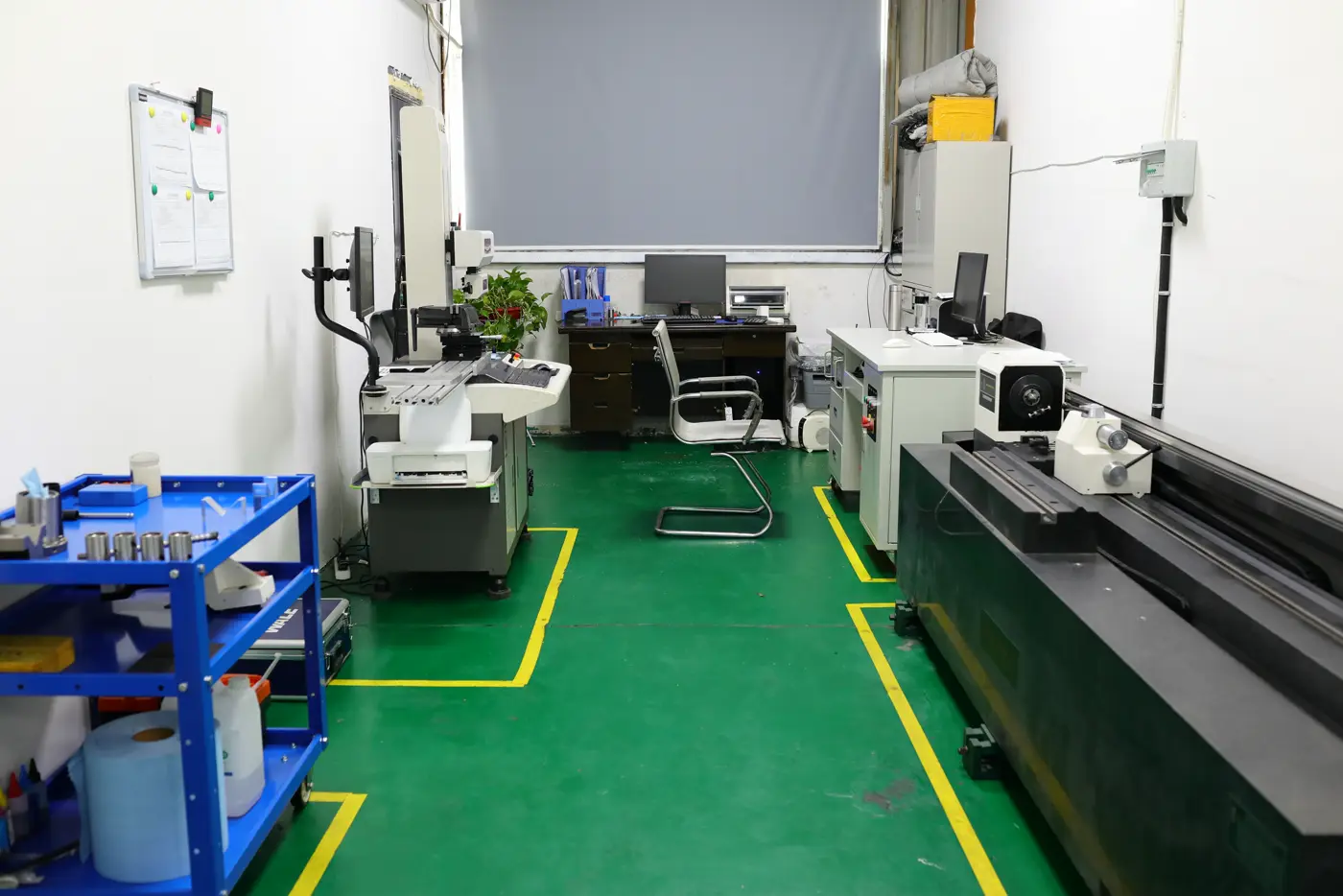
Turn After-Sales Feedback Into Your Next Ball Screw RFQ
Keep problem photos, order records, installation direction, lubrication, runtime, and inspection data for the next RFQ.
Send after-sales feedback record