Why the same model can carry different prices
Two quotes for the same 1605 at the same length can differ by a wide margin. In most cases the suppliers are not quoting the same scope. One includes the nut and end machining, the other quotes the bare screw; one quotes a cut length from bar stock, the other a ground screw made to drawing. Split the scope first, then compare the unit price.
| Quotation item | How it moves the cost | What to state in the RFQ |
|---|---|---|
| Material and dimensions | Diameter, overall length, and steel grade set material weight, heat treatment, and machining time | Diameter, lead, overall length, thread length, operating environment |
| Accuracy grade | C7 rolled and C5 ground use different operations | Grade, inspection items, acceptance method |
| Nut | Single or double nut, preload, flange size | Nut style, preload or clearance, flange and hole pattern |
| End machining | Journals, threads, keyways, shoulders, tolerances | End drawing, or old-part dimensions and support model |
| Quantity | Setup, inspection, and packing preparation spread across the batch | First batch, repeat order rhythm |
| Packing | Rust prevention, hard tube, wooden case, labels | Shipping method, storage time, label fields |
| Freight and terms | Destination, weight, length, trade term | Destination port, EXW/FOB/CIF, freight included or not |
Material and dimensions
Ball screws are usually made from high-carbon chromium bearing steel such as SUJ2 or GCr15. Stainless steel suits humid, food, or clean-room use, with somewhat lower load capacity and life. Diameter and overall length drive material weight, heat-treatment control, straightness, and machining time. Long, slender screws are harder to hold straight and to thread within tolerance, so cost rises with the length-to-diameter ratio.
Rolled and ground
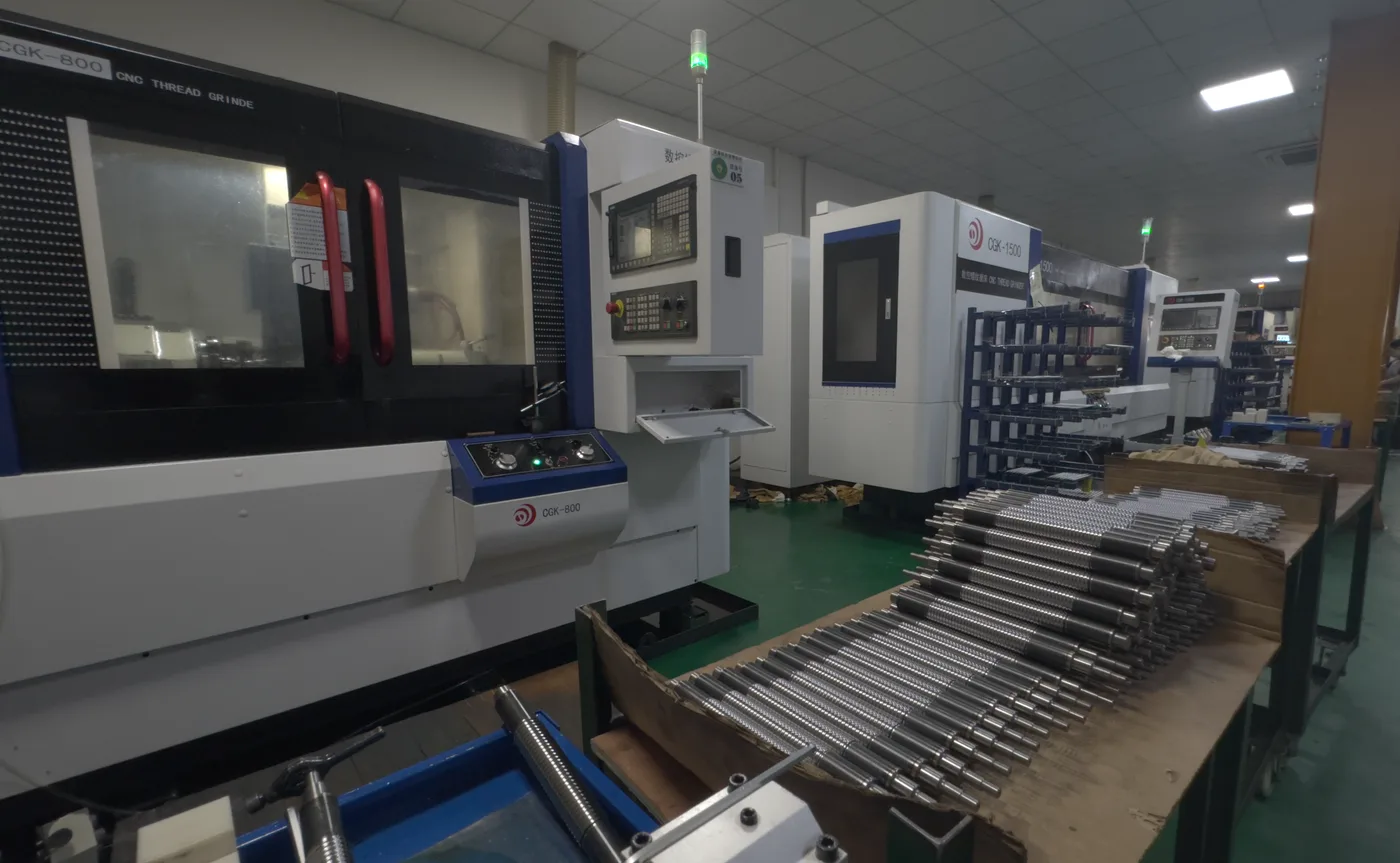
C7 is commonly rolled: the thread is formed by dies in one pass, which keeps the process short. C5 and tighter grades are usually ground: the blank is rough-machined and heat-treated, then the raceway is ground to tolerance. Grinding adds operations, skilled setup, and inspection, and lead time moves from days to weeks. The price step from C7 to C5 is a process step, not a markup on the same part.
Nut and preload
A single nut is simpler and cheaper. A double nut removes axial clearance through preload and improves rigidity and repeatability, but it adds parts and assembly time. Higher preload raises friction, heat, and drive load, and the nut has to match the screw. A non-standard flange, mounting hole pattern, or oil hole is a separate machining item.
End machining and support units
Journals, lock threads, keyways, shoulders, and coupling ends are machined to the drawing, with tolerances taken from the support unit maker or the customer drawing. BK/BF, FK/FF, and EK/EF pairs use different journal sizes, and a mismatch means rework. End machining is usually priced as a process, and an incomplete drawing creates confirmation loops that cost time and money.
Quantity, packing, and freight
Setup, inspection, and packing preparation spread over a small quantity, so the unit price is higher. Long screws need hard tubes or wooden cases, multiple support points, and rust prevention, and those are real costs. Distributors may also need neutral labels and carton marks. Freight depends on destination, weight, length, and trade term, so quote it as a separate line and keep the product price comparable.
What to send for a price
- Model, or diameter, lead, overall length, and thread length.
- Accuracy grade and inspection requirement.
- Nut style, preload or clearance, flange and hole pattern.
- End drawing, or old-part photos and measured dimensions.
- Quantity, first batch, and repeat order plan.
- Packing, labels, shipping method, and destination.
- Trade term and payment terms.
How to compare two quotes
Put both quotations into the same fields: does the price include the nut, end machining, inspection report, packing, and freight? If a field is missing, ask for it. A lower unit price that excludes end machining is not a lower total. Check quotation validity and payment terms at the same time, because a price that expires before the drawing is approved is not usable. See how to check quotation items before ordering and quotation validity and payment terms.
FAQ
Why do two suppliers quote the same model differently? Usually because the scope differs: one includes the nut, end machining, and inspection, the other quotes the bare screw; or one cuts from bar stock and the other grinds to drawing. Align the fields before judging the price.
Can I get a price from the model alone? A conditional range is possible, but a firm price needs length, nut, end machining, quantity, and packing. Without them the supplier has to assume, and the price changes later.
Why is a ground screw more expensive? Grinding adds rough machining, heat treatment, finish grinding, inspection, and setup, and the lead time is longer. The difference comes from the process, not from the grade number alone.
Send the model, length, quantity, nut, and end requirements through the RFQ form. For standard parts and bars, start with standard ball screws; for end machining or a drawing-based part, see end machining and custom ball screws.
Next step
Turn this guide into an RFQ
When the specification direction is clear, send the details below together with quantity, lead time, and packing requirements.
Include these details
- Model, length, quantity, purchase purpose, and target lead time.
- Drawing, sample photos, application parameters, or old-part dimensions.
- Packing, label, inspection, and quotation version to confirm before payment.
Category
Related Technical Guides
Continue with similar buyer questions
What Information Is Needed for a Custom Ball Screw RFQ
Before requesting a custom ball screw quote, list the drawing, dimensions, accuracy, quantity, and packing requirements.
Open custom RFQ form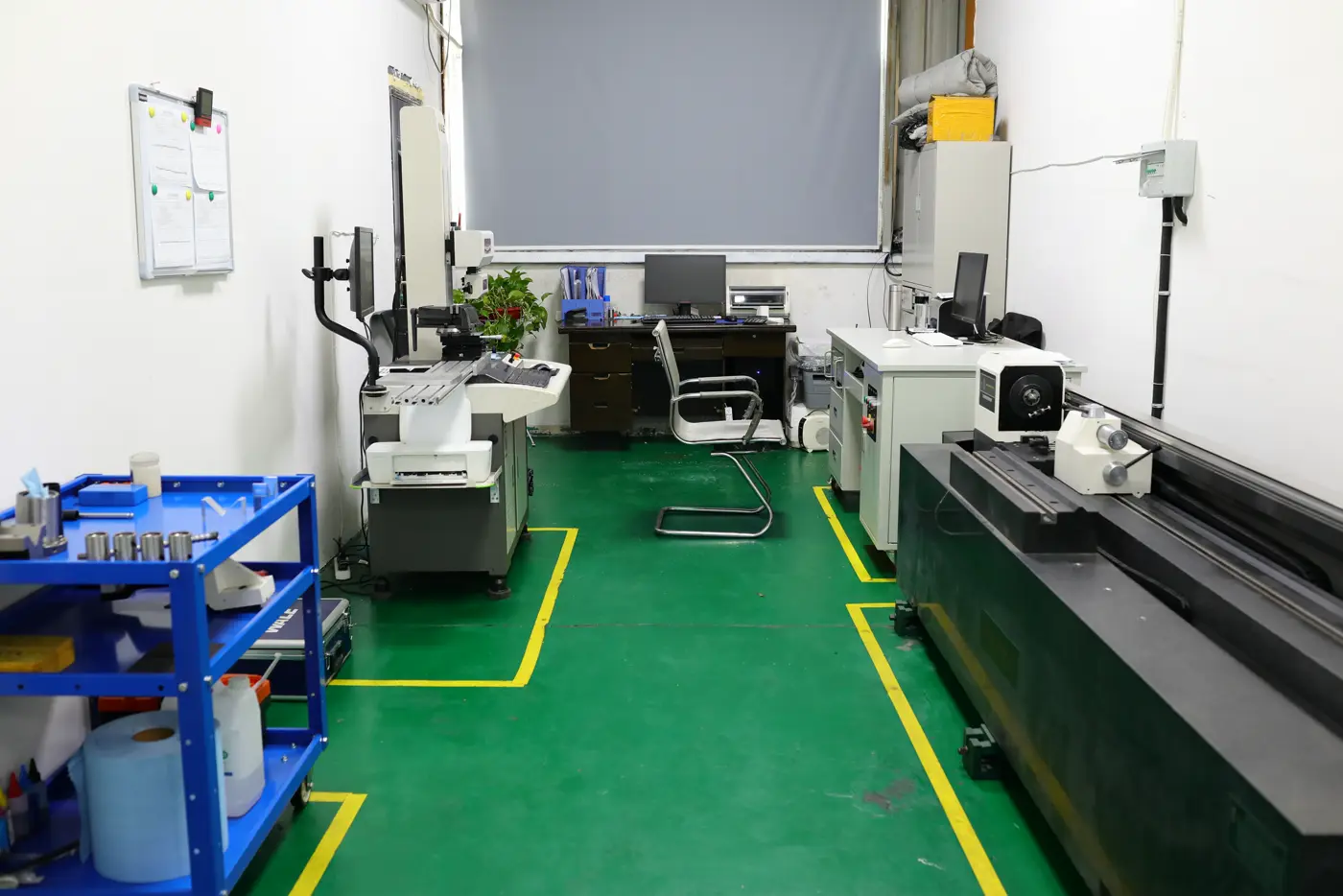
How to Check Ball Screw Quotation Items Before Ordering
After receiving a ball screw quotation, buyers should compare more than unit price and confirm specification, machining, packing, and lead time boundaries.
Send quotation confirmation details
Ball Screw Quote Validity and Payment Terms: How to Confirm
Quotation validity is not a formality; quantity, exchange rate, material price, freight, and lead time changes can affect the final order.
Send quotation validity confirmation