What critical speed means
A screw is a long, slender shaft. At a certain speed its rotation frequency coincides with the natural frequency of the shaft and it resonates — that speed is the critical speed (also called whirling speed). The screw then vibrates strongly, noise, heat and wear rise quickly, and in the worst case the screw bends permanently. It sets the speed ceiling of a screw and must be checked when selecting a long-travel axis.
Four factors that set the critical speed
| Factor | Effect on critical speed |
|---|---|
| Root diameter | A larger root diameter raises it, roughly in proportion |
| Support span (length) | A longer span lowers it, roughly in inverse proportion to the square of length |
| Support method | Fixed-fixed is highest, then fixed-supported, then supported-supported, and fixed-free is lowest |
| Material and construction | Steel screws use the standard elastic modulus; a hollow screw is less rigid and lowers the critical speed |
How length and support method change it
Two rules cover most cases: double the span and the critical speed falls to about a quarter (inverse to the square of length); firmer supports raise it (fixed-fixed is clearly above fixed-free). So a long-travel screw needs a larger root diameter, more support, or a nut-rotating design where the screw itself does not turn. In practice the working speed is kept within about 80% of critical speed, and the DN value is checked at the same time.
What to do when the speed is too high
- Increase the root diameter: the most direct fix, but cost and inertia rise.
- Shorten the support span or add an intermediate support: needs the structure to allow it.
- Change the support method: from fixed-free to fixed-supported or fixed-fixed.
- Use a nut-rotating design: the screw does not turn, so critical speed no longer limits, which suits very long travel.
- Recheck the DN value, the lubrication method and the motor matching: oil lubrication usually allows a higher speed than grease.
RFQ checklist
- State the maximum and usual working speed.
- State the total screw length and the support span.
- State the support method: fixed-fixed, fixed-supported, supported-supported or fixed-free.
- State the mounting orientation: horizontal, vertical or inclined.
- Say whether a nut-rotating design is needed.
FAQ
Is critical speed the same as whirling speed? Yes. Both mean the speed at which the screw resonates in rotation, and the same calculation is used in engineering.
What happens above the critical speed? The screw vibrates strongly, noise and temperature rise, nut and bearing wear accelerate, and in the worst case the screw bends permanently.
Which limits speed first, critical speed or DN value? Both must be checked: a short, thick screw is usually limited by the DN value first, while a long, thin screw is usually limited by critical speed first.
Next step
Turn this guide into an RFQ
When the specification direction is clear, send the details below together with quantity, lead time, and packing requirements.
Include these details
- Model, diameter, lead, accuracy grade, or target application.
- Load, speed, travel, mounting method, and matching rail or support-unit needs.
- Quantity, lead time, packing, and whether inspection records or shipment photos are needed.
Category
Related Technical Guides
Continue with similar buyer questions
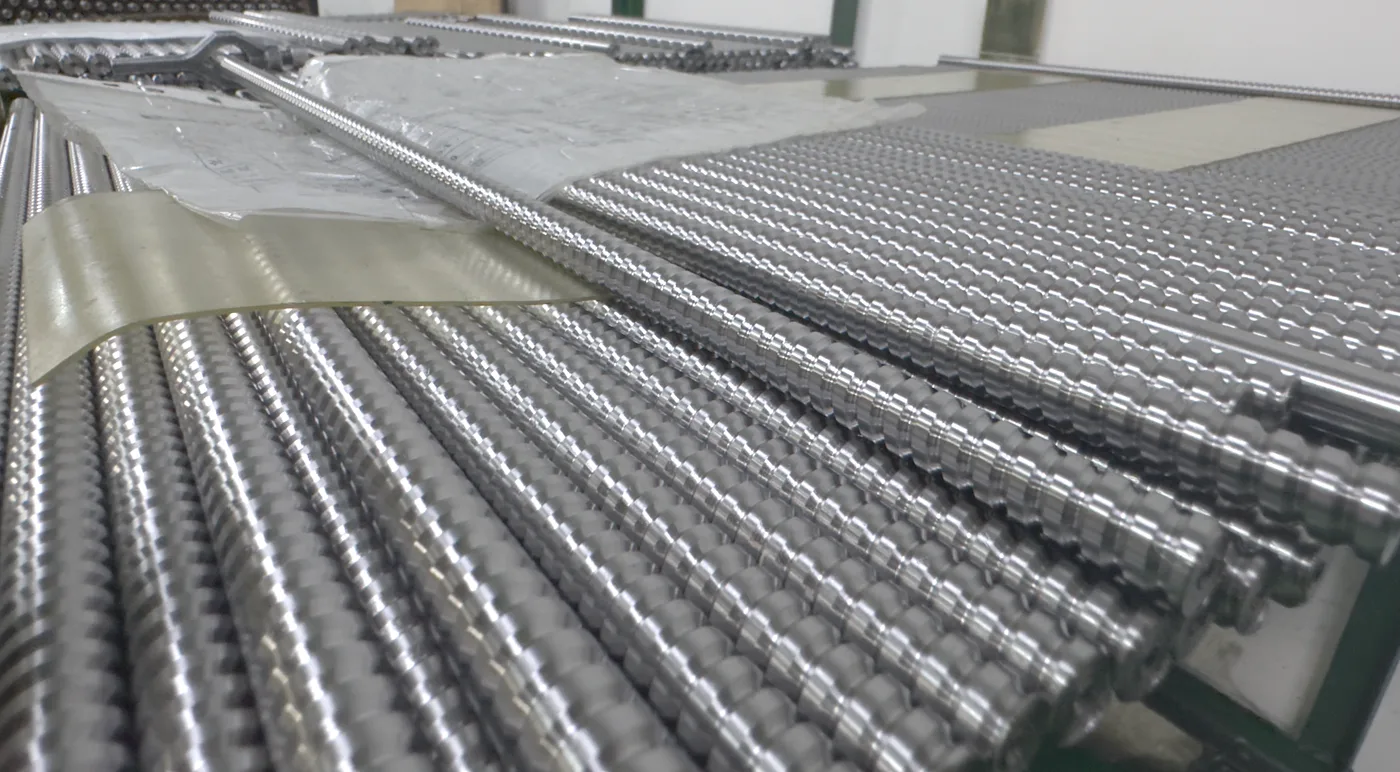
3205 vs 3210 Ball Screw: Lead, Speed, and Load Guide
Compare 3205 and 3210 by long travel, speed, load, support span, and packing conditions.
Send 3205/3210 requirements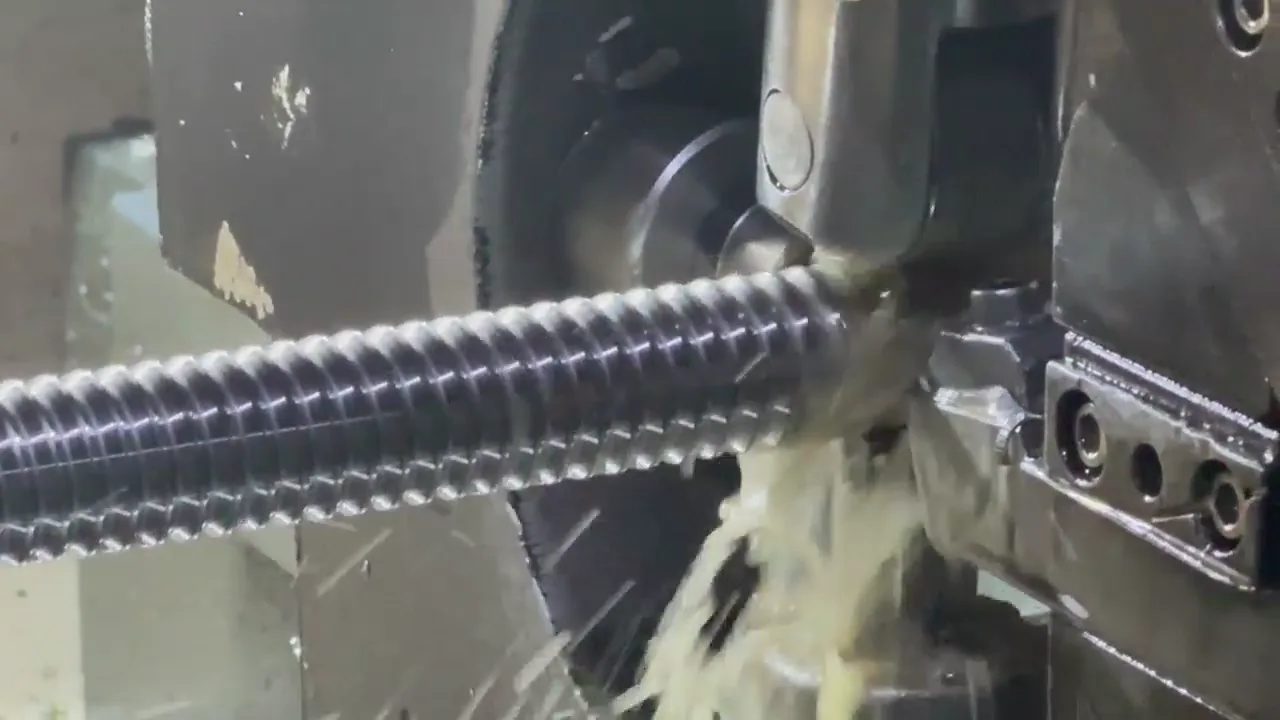
How Ball Screw Lead Changes Speed and Thrust
Compare how larger lead changes speed, thrust, and control margin, then list the axis parameters required before an RFQ.
Send lead and speed requirements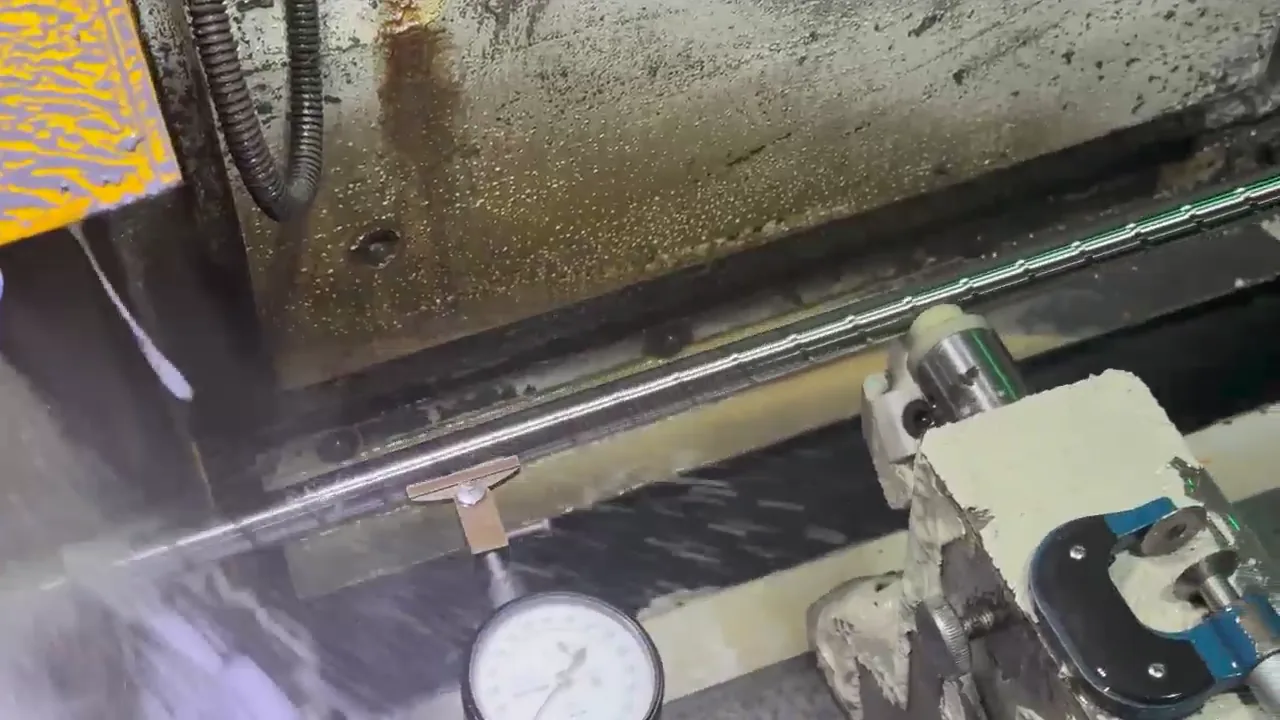
Laser Cutting Machine Ball Screw: Speed and Accuracy RFQ
Laser cutting machine ball screw selection should balance speed, accuracy, dust protection, and heat effect, so the RFQ should describe the application environment.
Send laser machine parameters